
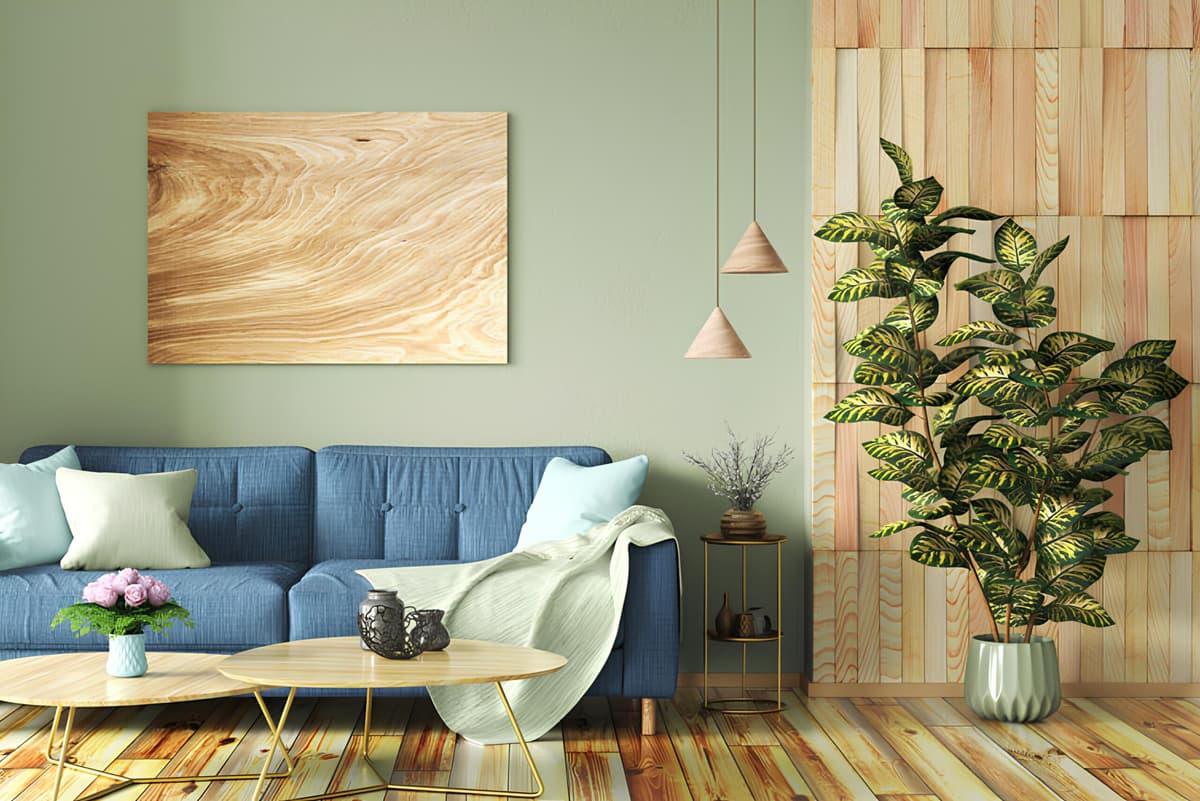
Wall paneling can change the look of any room, giving it a classy look while also protecting your walls. Are you thinking about adding wall panels to your living room or bedroom? To make sure your installation goes smoothly and without a hitch, follow these five simple steps.
Table of Contents
- Choose the Right Type of Wall Paneling
- Prepare the Wall Surface
- Measure and Cut the Panels
- Apply Adhesive and Install the Panels
- Finish with Moldings and Sealant
- Conclusion
-
FAQs: How To Install Wall Panelling
- Can I install wall panels myself, or do I need a professional?
- What tools do I need to install wall paneling?
- Do I need to prepare the wall before installing panels?
- Can wall panels be installed over existing walls or tiles?
- Should I use adhesive or screws to install wall panels?
- How long does it take to install wall paneling?
- Can I cut wall panels to fit my space?
- How do I maintain wall panels after installation?
Choose the Right Type of Wall Paneling
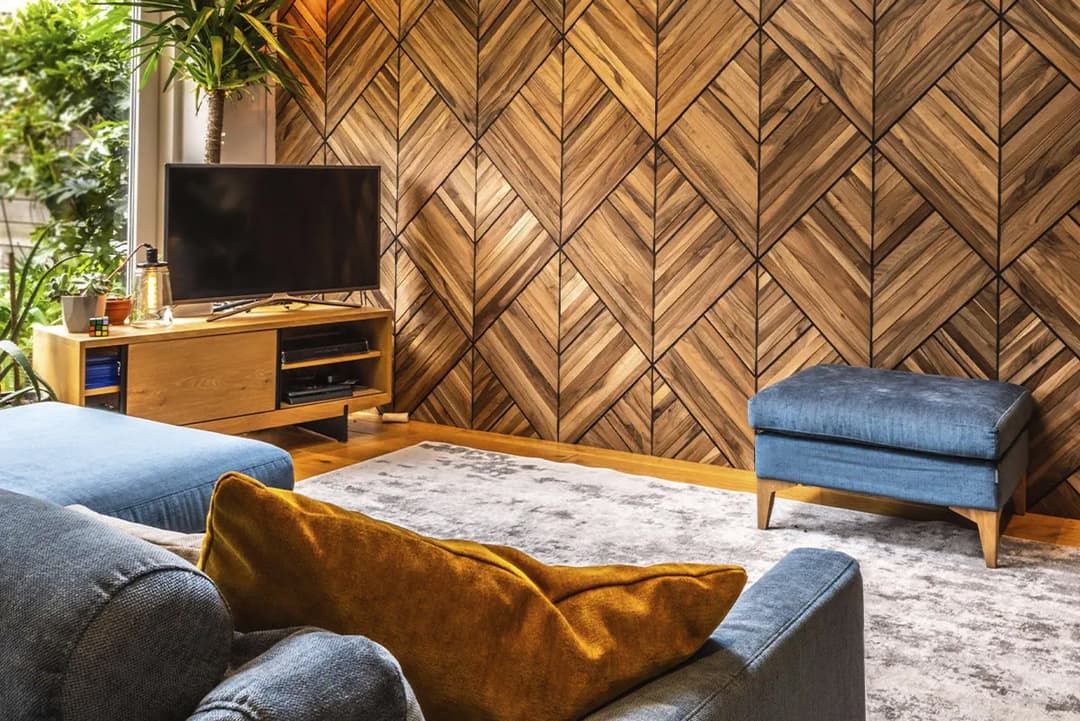
Before you start, it’s essential to decide on the type of wall paneling that best suits your needs. There are primarily two types:
- Decorative Wall Paneling: Made of medium-density fiberboard (MDF), this type of paneling resembles wood, brick, or stone. It’s ideal for living rooms, bedrooms, and dining areas. However, it’s not waterproof and is best suited for low-moisture areas.
- FRP Wall Paneling: Fiber-reinforced plastic (FRP) paneling is perfect for areas exposed to moisture, such as laundry rooms and basements. It’s waterproof, washable, and offers high impact resistance.
Prepare the Wall Surface
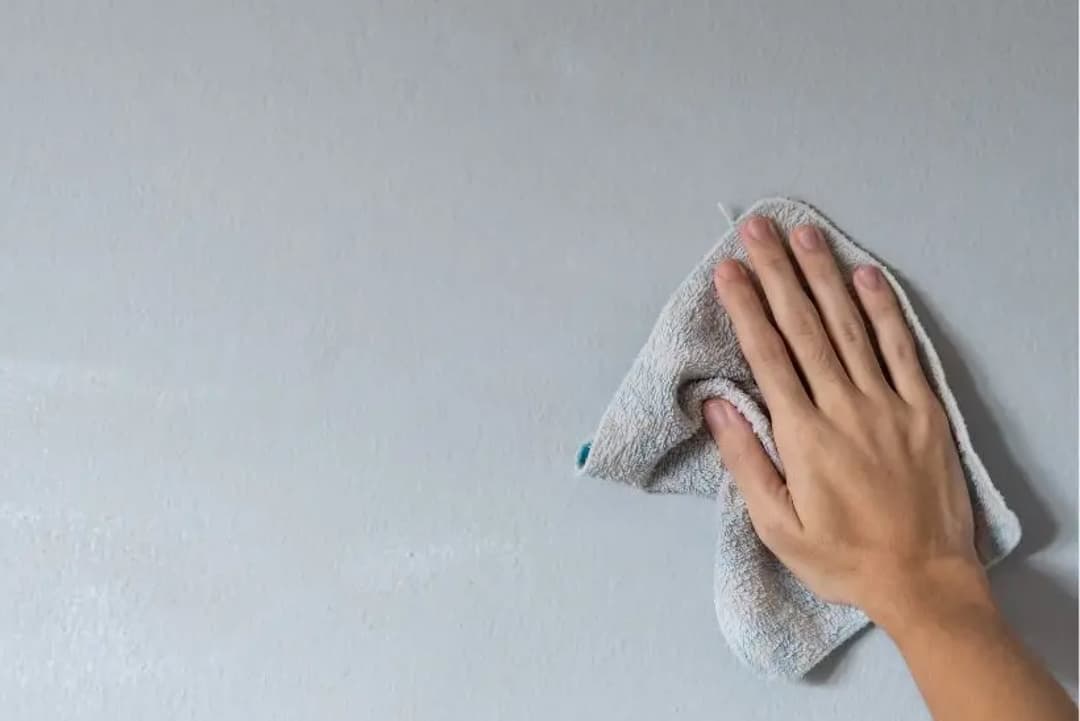
Before installing the panels, ensure the wall surface is clean, flat, and free of any obstructions. Sand down any high spots and fill in low areas with drywall compound. Remove baseboards, moldings, and other obstructions to ensure a smooth surface.
Measure and Cut the Panels
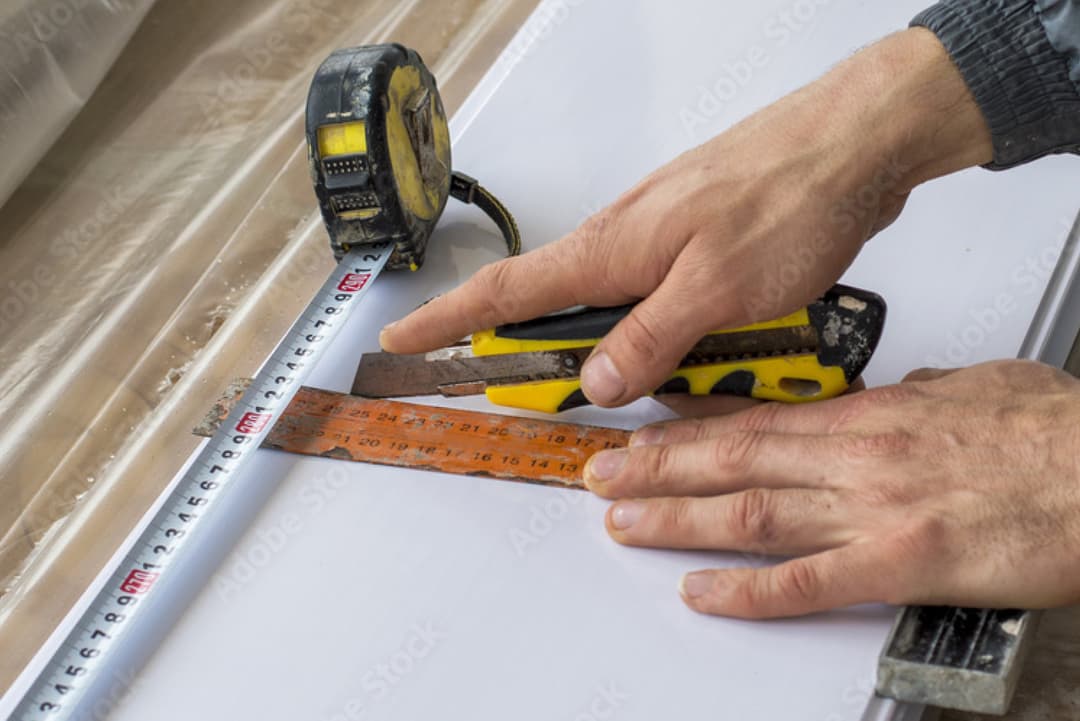
Measure the area where you want to install the paneling and cut the panels accordingly. Remember to leave a 1/4-inch expansion gap on all sides. For electrical outlets and switches, make precise cutouts in the paneling to accommodate them.
Read more: 3 Creative Wall Panel Ideas: Transform Your Space!
Apply Adhesive and Install the Panels
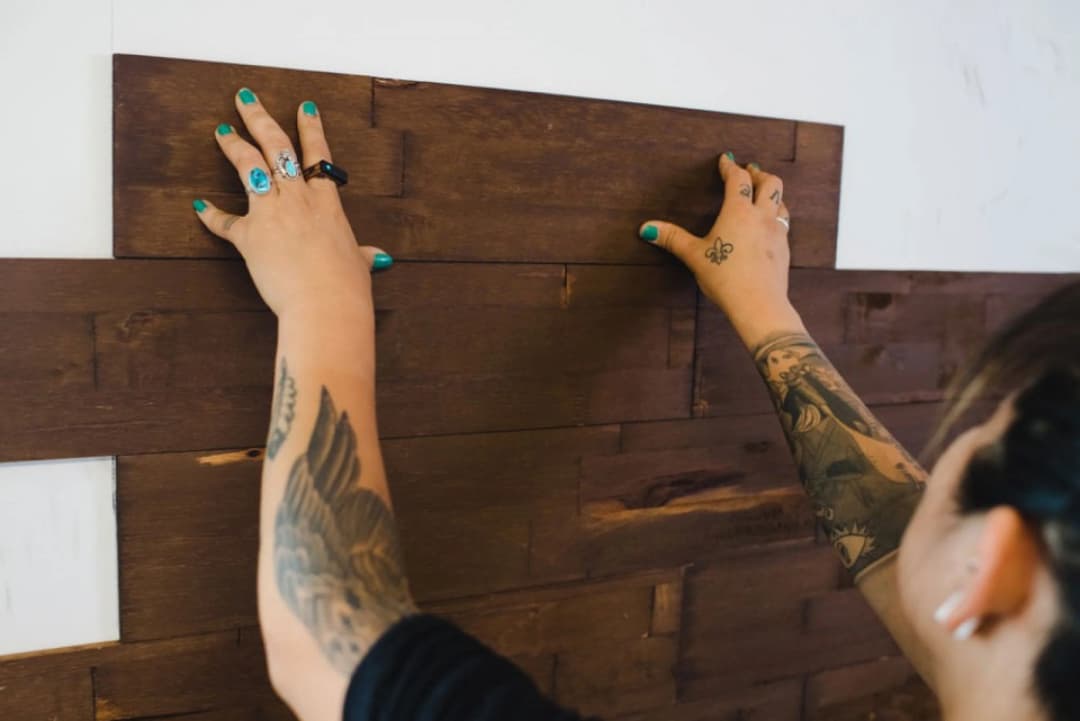
Put a lot of panel adhesive on the back of each panel in a zig-zag pattern. Start at one corner and make sure the panel is perfectly level before attaching it to the wall. Use small nails or plastic rivets to hold the panel in place so it doesn’t move. Do this for every panel, making sure they all fit together perfectly.
Finish with Moldings and Sealant
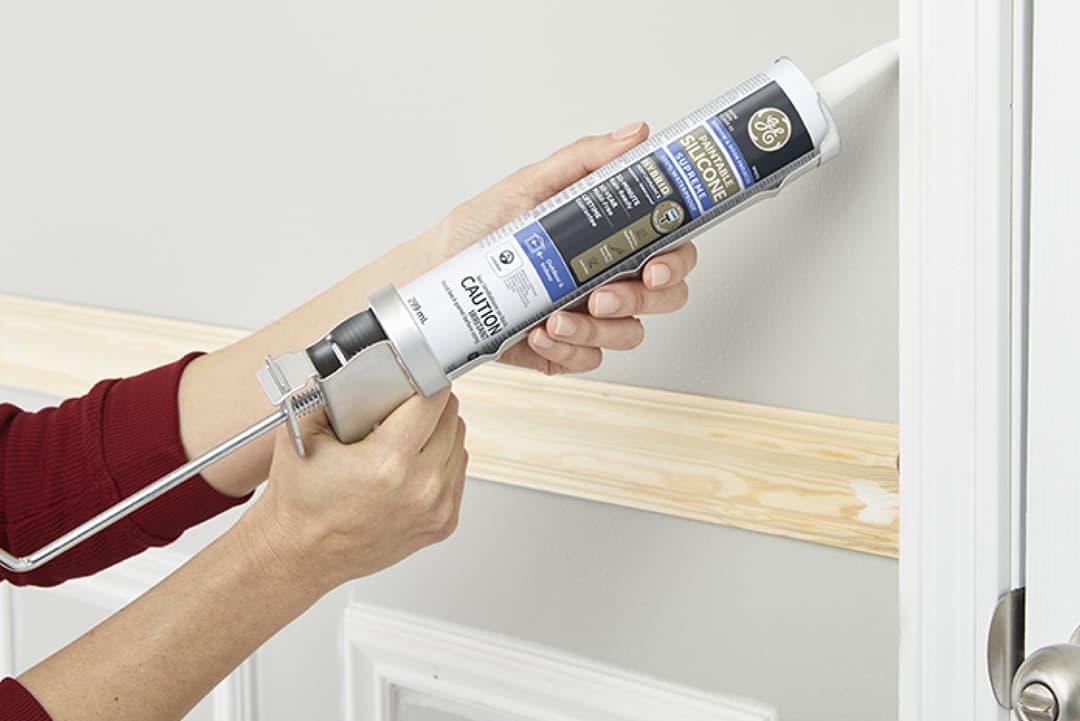
Once all panels are in place, install moldings to cover the seams and edges. For FRP panels, it’s recommended to apply a silicone sealant in the moldings for added moisture resistance.
Conclusion
Wall paneling is more than just decoration; it shows that you are dedicated to making your home more beautiful and long-lasting. You can easily combine style and function by using the right tools and methods. This will create spaces that are both comfortable and stylish.
Are you ready to change the look of your home? The Panel Hub has some great designs. With just one click, you can change the mood of your home. Now showing it!
FAQs: How To Install Wall Panelling
Can I install wall panels myself, or do I need a professional?
Most wood wall panels are designed for DIY installation, especially lightweight options like MDF, PVC, or acoustic slat panels. If you’re comfortable using basic tools like a level, drill, and saw, you can install them yourself. However, for large areas or complex layouts, hiring a professional can ensure a flawless finish.
What tools do I need to install wall paneling?
Common tools include a measuring tape, level, pencil, saw (hand or electric), adhesive, drill, screws, and a caulking gun. Some panel types may also require spacers or mounting clips, depending on the installation method.
Do I need to prepare the wall before installing panels?
Yes, proper wall preparation is essential. Make sure the surface is clean, dry, and smooth. Remove dust, grease, or loose paint, and fix any major cracks or uneven areas to ensure the panels adhere properly.
Can wall panels be installed over existing walls or tiles?
In many cases, yes. Wall panels can be installed over drywall, plaster, and even tiles, as long as the surface is stable and level. You may need additional adhesive or a batten system for uneven surfaces.
Should I use adhesive or screws to install wall panels?
It depends on the panel type and wall condition. Adhesive works well for smooth, even walls and provides a clean, seamless look. Screws or mounting clips are better for added security, especially for heavier panels or uneven surfaces. Some installations use both methods for maximum stability.
How long does it take to install wall paneling?
For a standard feature wall, installation can take anywhere from a few hours to a full day, depending on the panel type, wall size, and your experience level. Larger or more detailed projects may take longer.
Can I cut wall panels to fit my space?
Yes, most wall panels can be cut to size using a hand saw or power saw. Always measure carefully and cut slowly to ensure clean edges, especially for visible areas.
How do I maintain wall panels after installation?
Maintenance is simple—regular dusting and occasional wiping with a damp cloth are usually enough. Avoid harsh chemicals or excessive moisture to preserve the panel’s finish.