
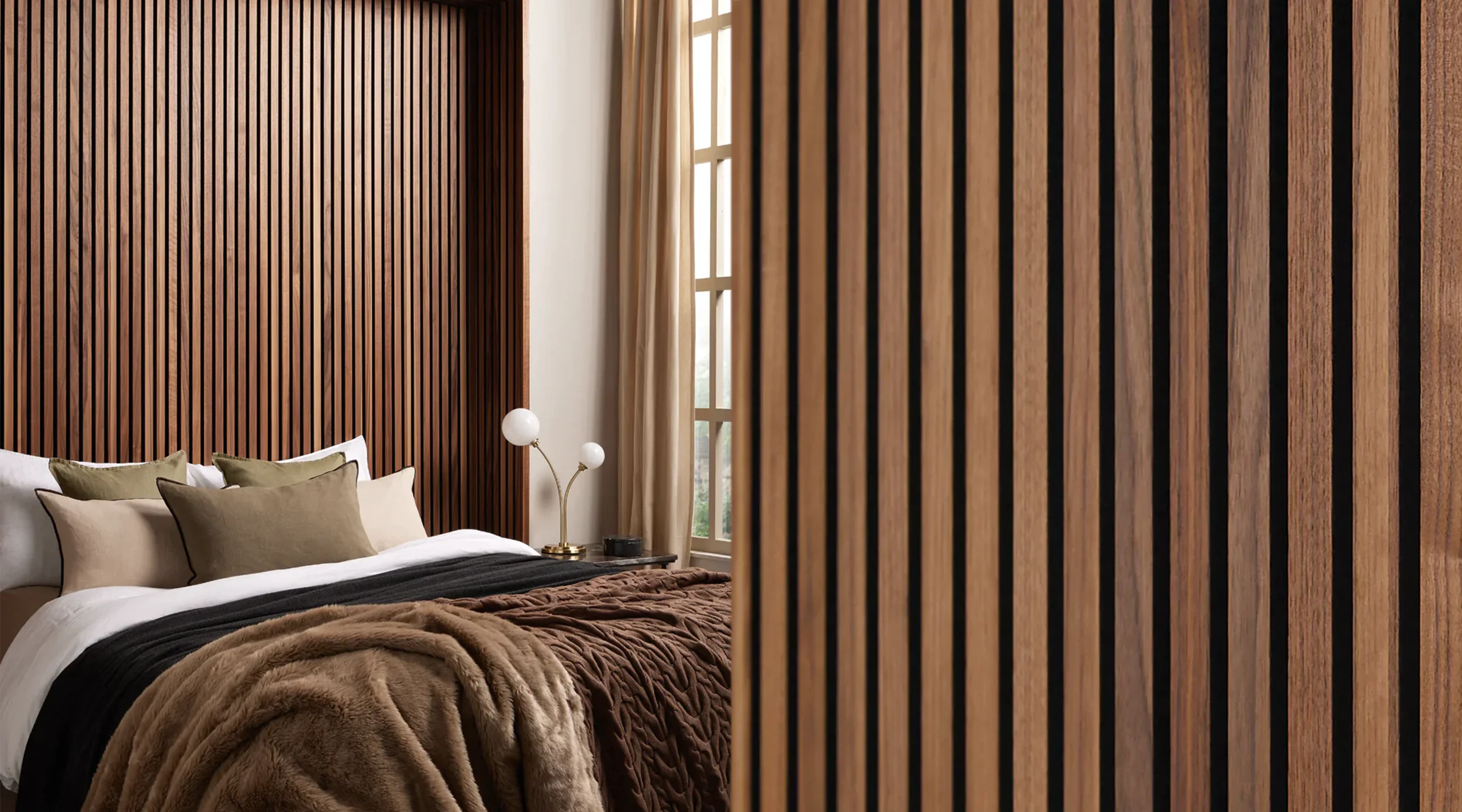
Environment & Sustainability
At The Panel Hub (TPH), we believe that superior design and environmental responsibility are not mutually exclusive.
As a leading provider of architectural surfacing, we recognize our role in the global supply chain and our responsibility to the forests and communities that provide our raw materials. Our commitment to sustainability, safety, and quality is proven by our certifications:

CE Certified (EN 13986:2004+A1:2015)
Complies with European standards for construction performance and material safety.

SGS Certified with NRC 0.85
Independently tested for high sound absorption and acoustic performance.
FSC Certified Wood Sources
Made from responsibly sourced wood from sustainably managed forests.
Fire Rating: D-s2,d0 (EN 13501-1).
Meets European fire safety standards with controlled smoke and no flaming droplets.
This commitment allows clients to specify panels with confidence, knowing that their design choices contribute to a healthier interior environment and a more sustainable future. By integrating responsible sourcing, advanced engineering, and superior aesthetics, TPH panels exemplify how luxury and sustainability can coexist seamlessly.

The 15mm AcuFelt™ Circular Economy
The core of our acoustic wall panels lies in our industrial-grade 15mm AcuFelt™ backing. While this material is celebrated for its 0.85 NRC sound absorption rating, its environmental story is equally compelling. AcuFelt™ is a non-woven matrix composed of 100 percent recycled PET (Polyethylene Terephthalate) fibers. These fibers are sourced from post-consumer plastic bottles, diverting waste from landfills and oceans while giving it a second life in high-performance architectural products.
The dense, needle-punched construction not only optimizes acoustic absorption across a wide range of frequencies but also ensures dimensional stability, durability, and resilience, allowing the panels to perform consistently for years without degradation, all while supporting sustainable building practices and circular material use.
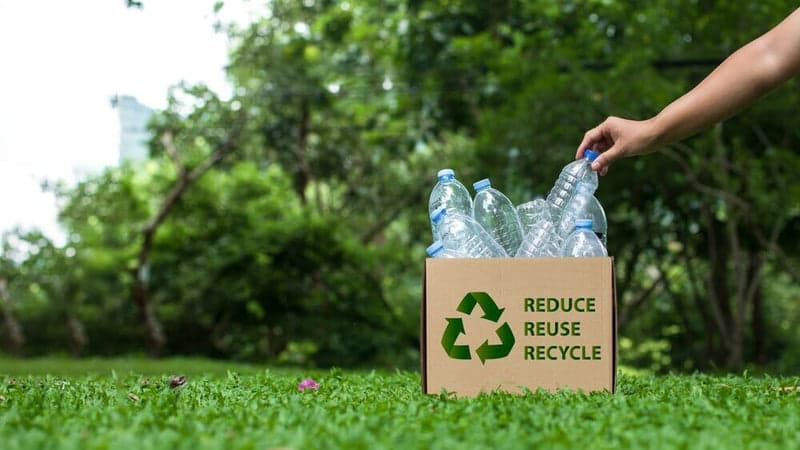
Diverting Landfill Waste
Plastic pollution is one of the most significant environmental challenges of our time. By utilizing recycled PET, we effectively diverts approximately 50 to 75 plastic water bottles from landfills and oceans for every standard panel produced. The process involves collecting post-consumer plastic, cleaning it, and shredding it into fine flakes that are then melted and extruded into high-strength fibers. These fibers are needle-punched to create our signature 15mm felt, requiring zero chemical binders or toxic glues during the manufacturing process. This method not only reduces environmental impact but also ensures a durable, high-performance acoustic backing that maintains its density and effectiveness over the life of the panel.

End-of-Life Recyclability
Sustainability is about more than just the origin of a product; it is about its destination. Because our AcuFelt™ is made from 100 percent PET, it remains fully recyclable at the end of its architectural life. When a building is renovated decades from now, the felt backing can be processed back into raw material, ensuring that our products contribute to a truly circular economy rather than a linear waste stream. This approach reduces landfill pressure, minimizes resource extraction, and allows future generations of panels to be made from the same materials, closing the loop in a responsible and environmentally conscious way.

Responsible Timber Sourcing and Veneer Yield
Wood is a precious biophilic resource. At TPH, we treat timber with the respect it deserves by ensuring that our sourcing practices promote long-term forest health and biodiversity. We focus on A-Grade veneers of American Walnut sourced exclusively from managed forests where replanting and ecological balance are prioritized.
Each log is carefully selected for its grain quality, color consistency, and structural integrity, ensuring that the final veneer reflects both natural beauty and durability. By sourcing responsibly, we minimize environmental impact while supporting local forestry communities, helping maintain forest ecosystems for future generations and creating panels that celebrate nature’s inherent warmth and character in every interior.
Maximizing Resource Efficiency
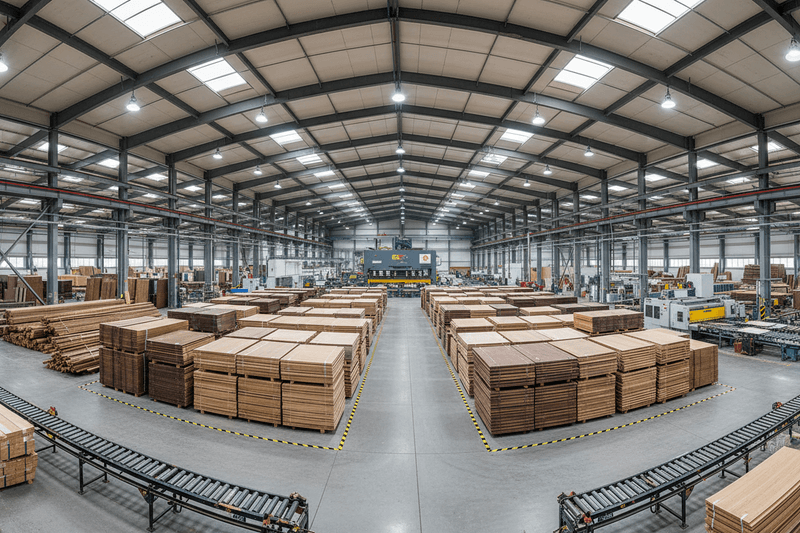
One of the most sustainable aspects of our SoundPanel™ and GroovePanel® collections is the efficiency of our veneer technology. Traditional solid wood planks are resource-intensive and produce significant waste during the milling process. By utilizing high-precision thin-veneer technology, TPH is able to produce up to ten times the surface area of decorative wood from a single log compared to solid timber alternatives.
This dramatically reduces the total number of trees required to achieve the same architectural effect. Additionally, the precision of veneer cutting minimizes scrap, allowing leftover material to be repurposed for smaller decorative elements or acoustic components, further reducing waste and maximizing the value extracted from every harvested log.
The CoreShield™ Advantage
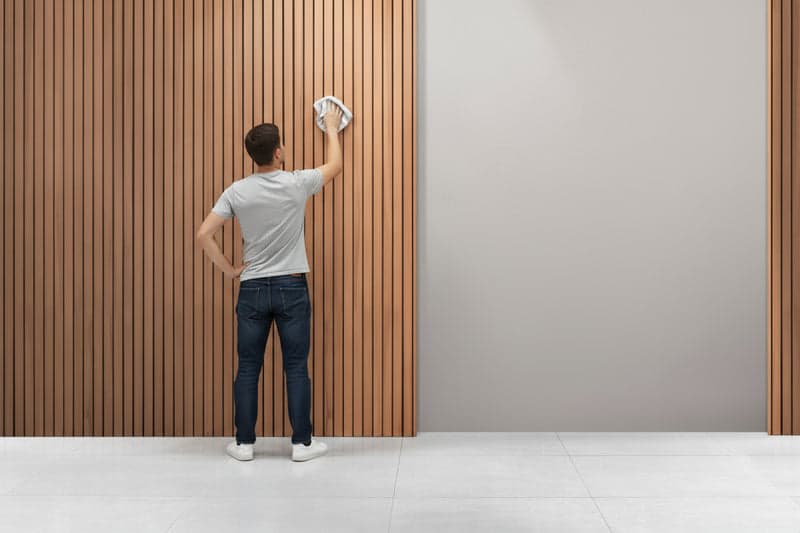
Our CoreShield™ cores are engineered using high-density wood fibers that are often byproduct materials from other timber manufacturing processes. By resin-infusing these fibers into a moisture-stable core, we create a substrate that is more durable and dimensionally stable than raw lumber. This longevity is a key pillar of sustainability; a product that does not need to be replaced due to warping or decay is inherently better for the planet. Additionally, using these reclaimed fibers reduces reliance on freshly harvested timber, minimizes waste in the supply chain, and ensures that each panel contributes to a more circular and environmentally responsible building practice.

Healthy Indoors: IAQ and Chemical Safety
Modern humans spend over 90% of their time indoors. Consequently, the materials we place on our walls have a direct impact on the air we breathe. TPH is committed to ensuring that our panels support healthy Indoor Air Quality (IAQ) through strict chemical management. By eliminating formaldehyde, minimizing VOC emissions, and using water-based finishes, our panels reduce harmful off-gassing that can contribute to headaches, allergies, and long-term respiratory concerns. This dedication to IAQ allows architects, designers, and homeowners to create interiors that are both visually stunning and safe for occupants of all ages. Regular testing and adherence to international health standards further reinforce our commitment to long-term indoor environmental wellness.
Low-VOC ChromaShield™ Technology
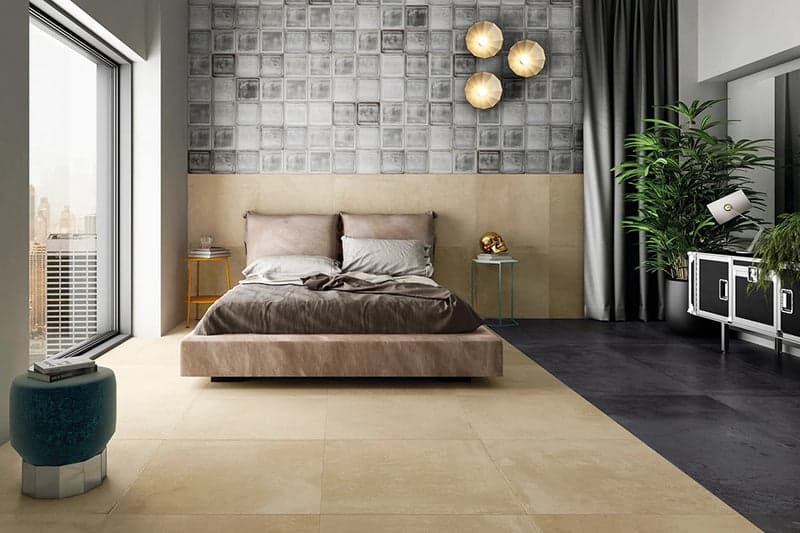
Traditional wood finishes and lacquers often contain high levels of Volatile Organic Compounds (VOCs) that "off-gas" into the room long after installation. TPH utilizes ChromaShield™ UV-Guard, which is a water-based, medical-grade finish. This technology provides superior UV protection and color retention without the use of harsh solvents or toxic stabilizers.
Formaldehyde-Free Manufacturing
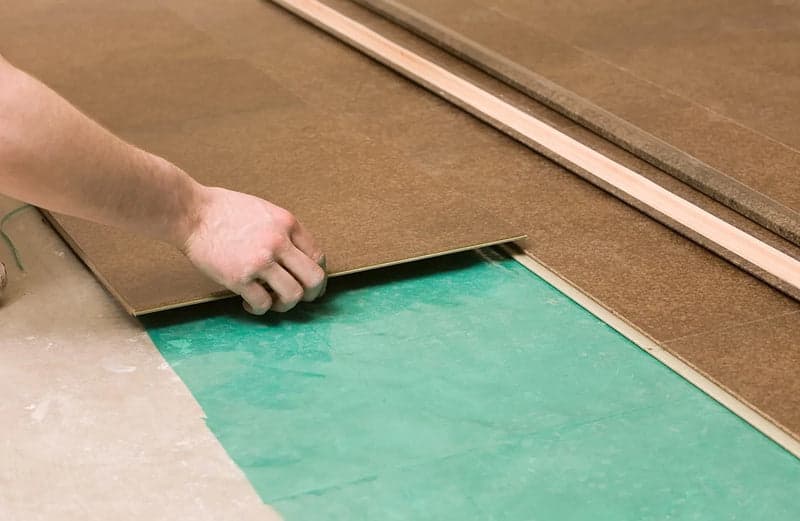
Formaldehyde is a common but hazardous chemical found in many construction adhesives. TPH has eliminated the use of urea-formaldehyde in the production of our CoreShield™ cores and the bonding of our 15mm AcuFelt™. By choosing TPH, architects and designers can confidently specify a product that meets the most stringent international standards for chemical emissions. This approach not only ensures safer indoor air quality for occupants but also aligns with LEED (Leadership in Energy and Environmental Design), WELL Building Standard, and other green building certifications, allowing projects to achieve higher environmental and wellness standards without compromising on performance or aesthetics.
Sustainability & Technical Specifications
| Feature | Environmental Impact | Standard Compliance |
|---|---|---|
| 15mm AcuFelt™ | 100% Recycled PET / Diversion of 50-75 bottles per panel | GRS (Global Recycled Standard) |
| ChromaShield™ | Water-based finish. Zero hazardous off-gassing | Low-VOC / Formaldehyde Free |
| Wood Veneers | Sourced from responsibly managed forests | A-Grade Authentic Timber |
| CoreShield™ | High-density fiber core utilizing byproduct materials | E0 / E1 Emission Class |
| Fire Safety | Engineered reaction-to-fire properties | D-s2, d0 (EN 13501-1). |