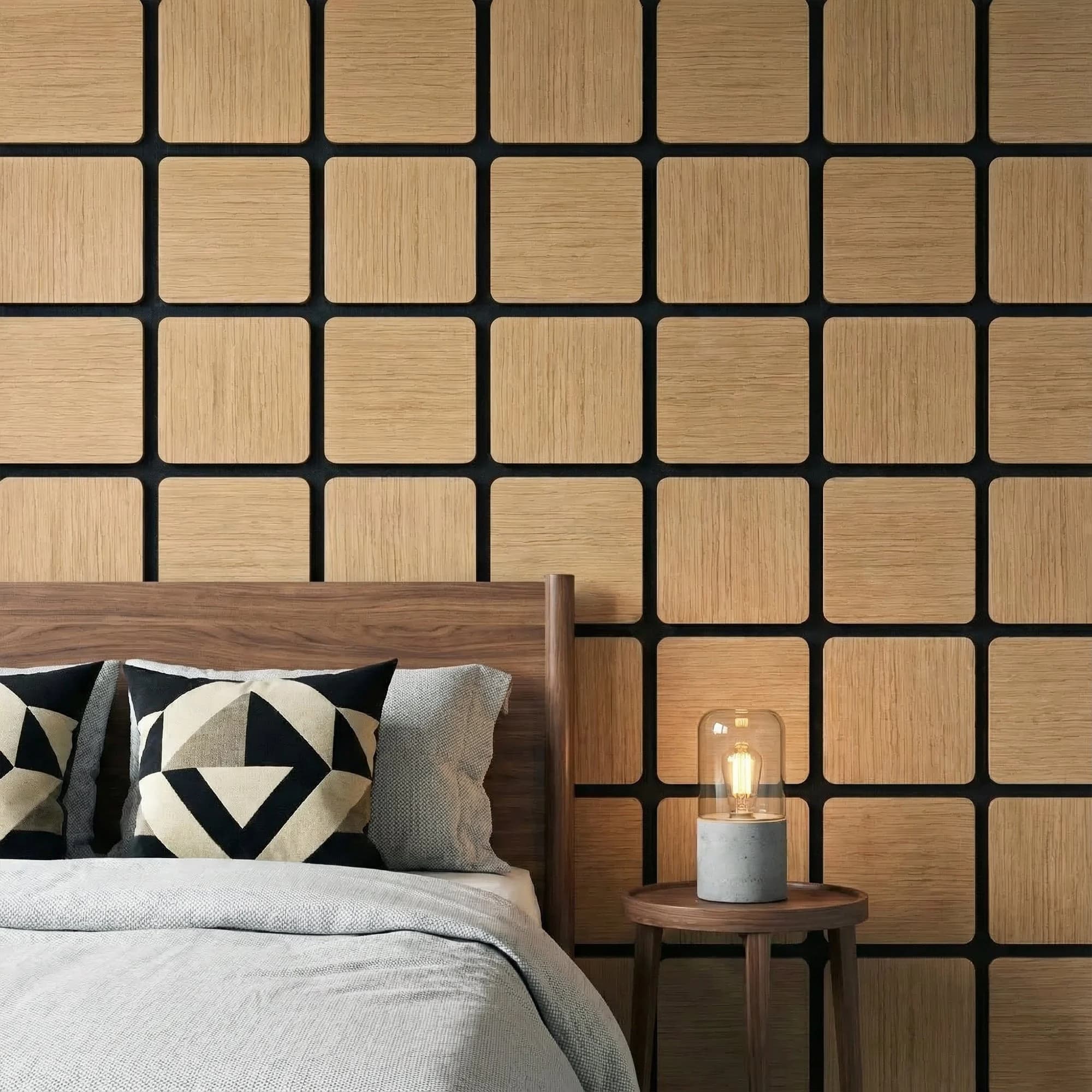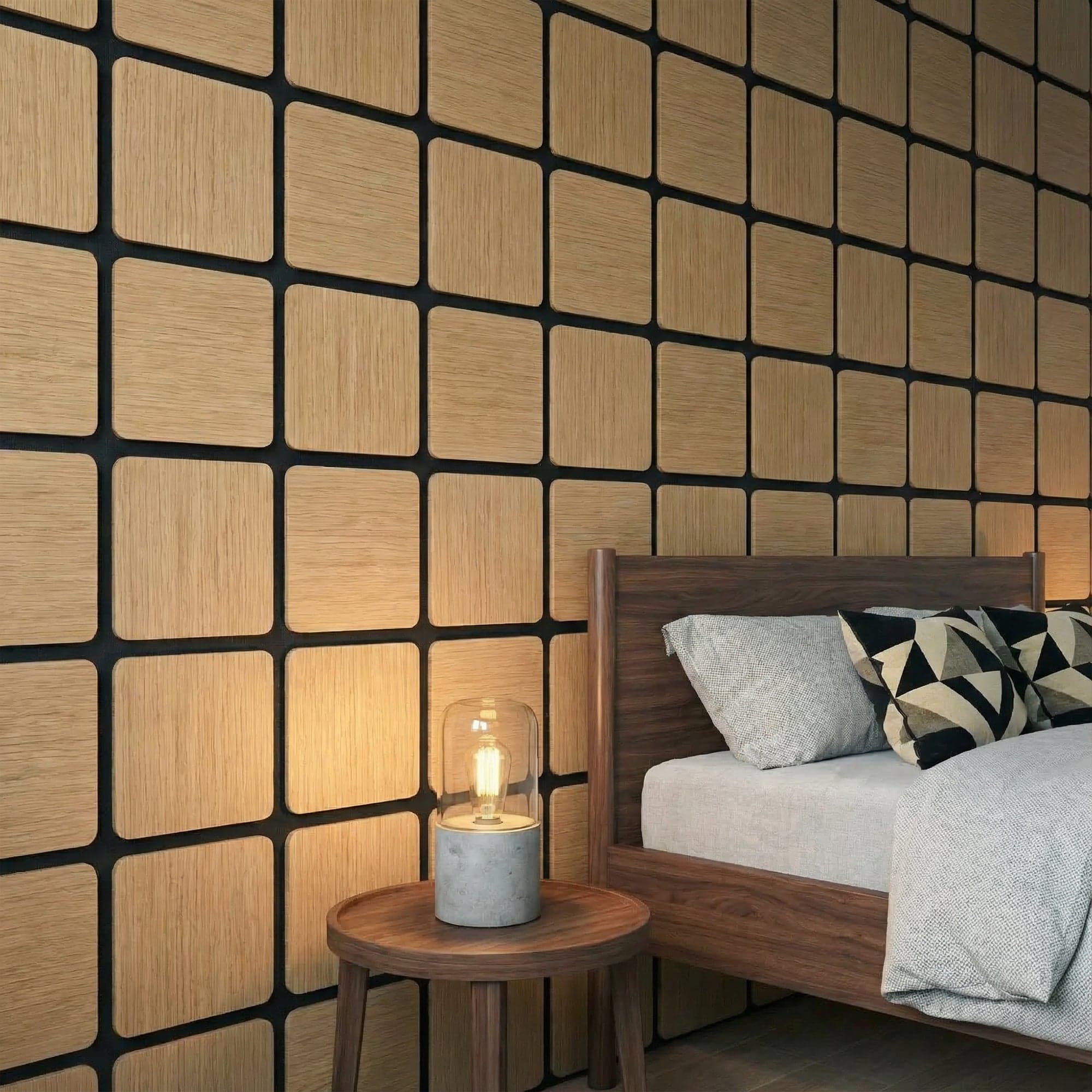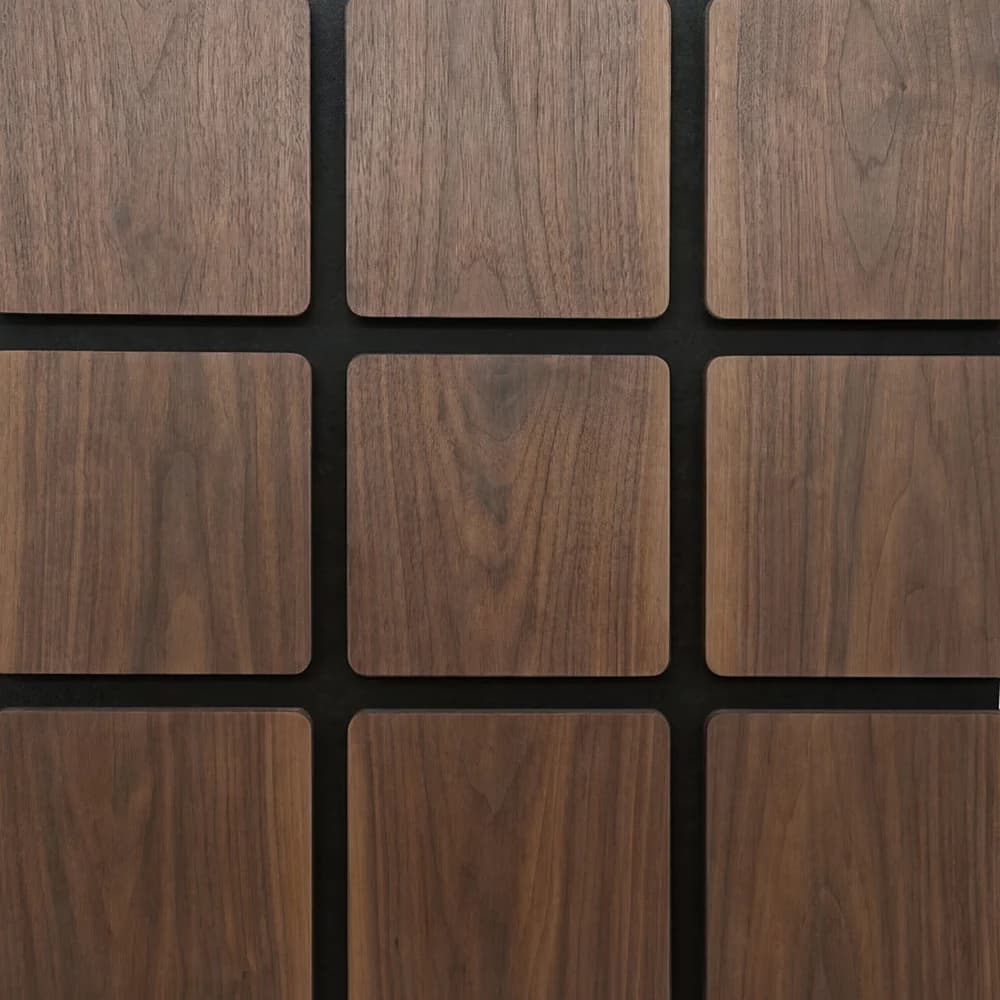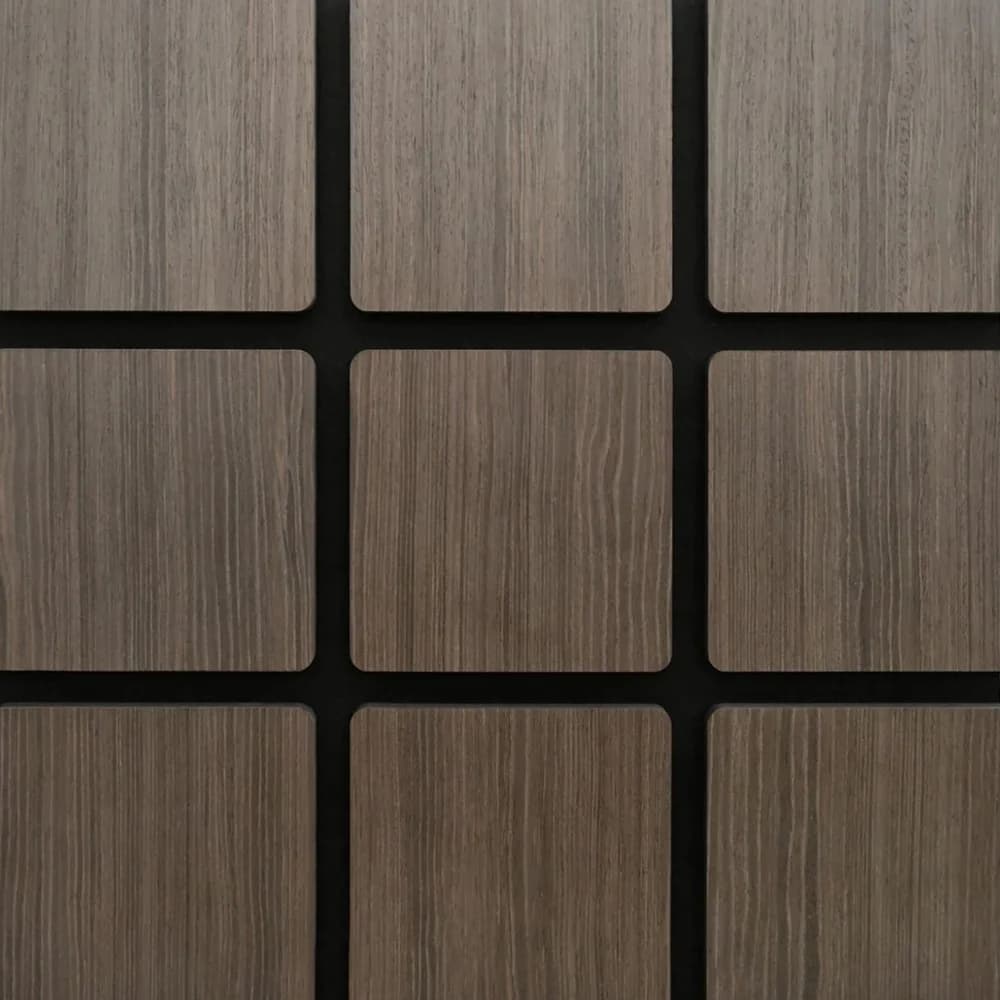

 Pack of 4
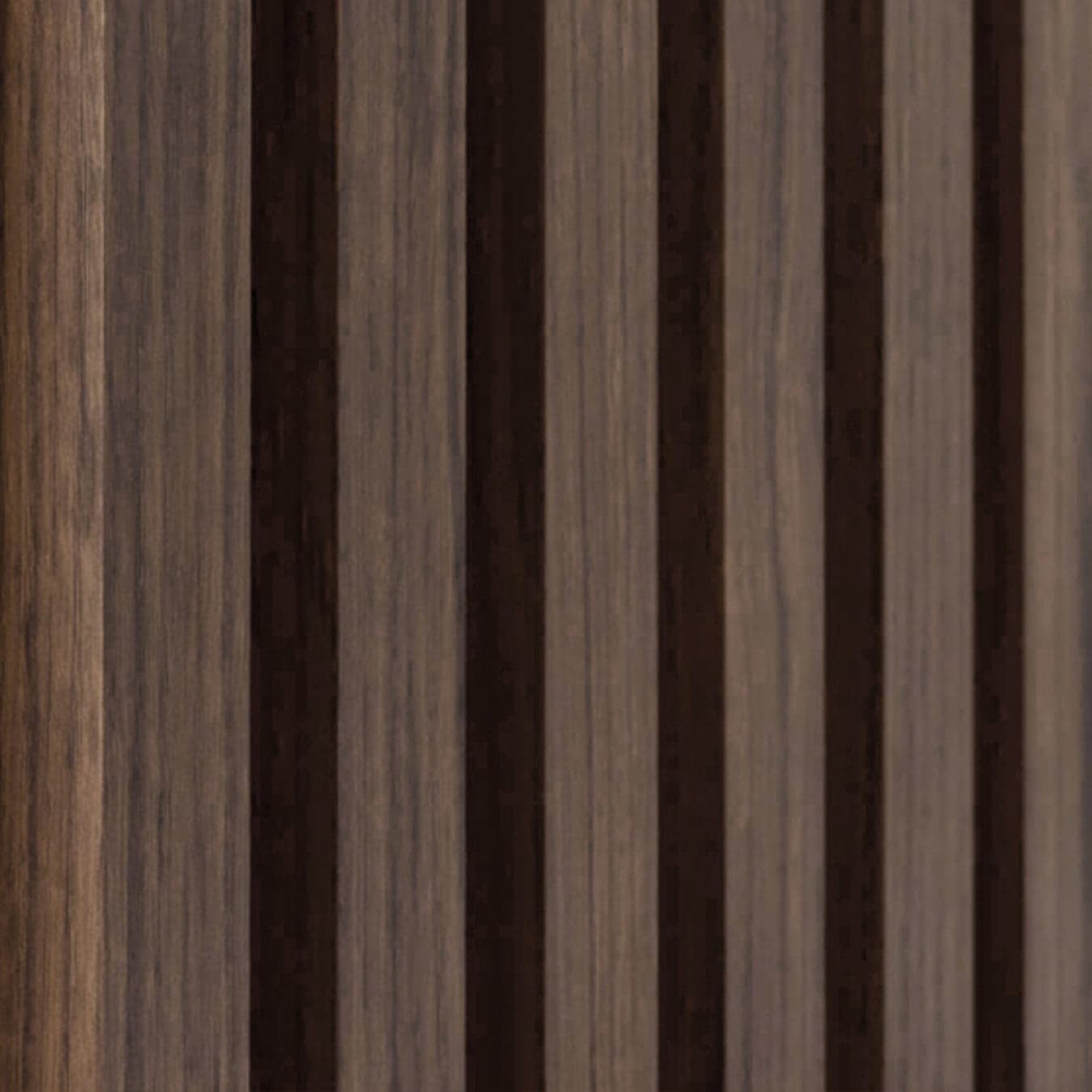
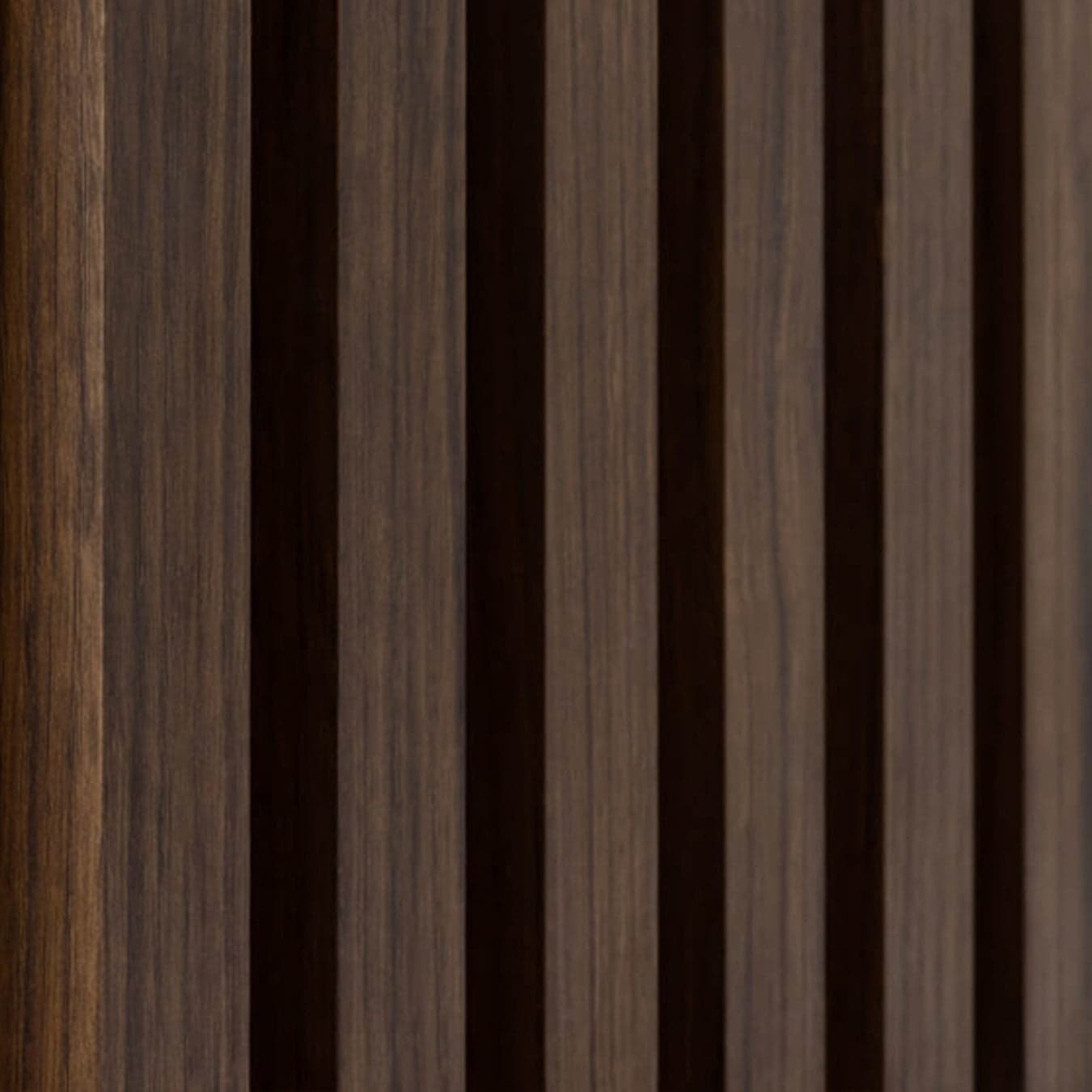


Acoustic Slat Wood Wall Panels | SoundPanel™
4.7(83)
$799$1,141

Our factory-direct, direct-to-consumer model is built around a simple idea: when unnecessary retail layers are removed, more of the cost can be invested where it matters most, in the wood wall panels quality itself.
This page explains how our direct-to-consumer approach works, why traditional retail pricing often inflates costs, and how The Panel Hub is able to deliver high-quality wood slat wall panels without compromise. Transparency is central to our philosophy, and we want customers to understand exactly what they are paying for and why.
| Features | TPH™ | Traditional Retailers |
|---|---|---|
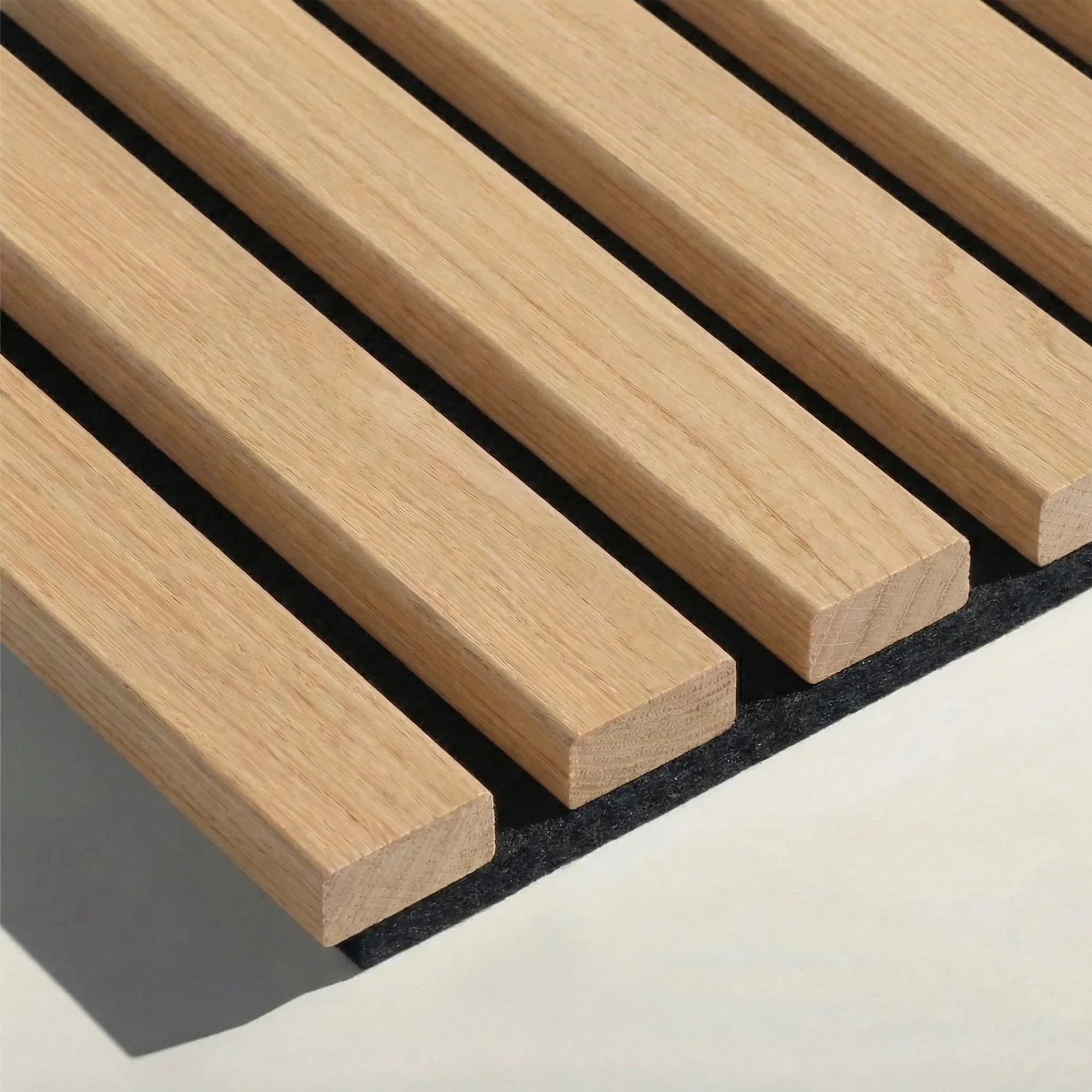
| Veneer Quality | Genuine Grade-A Wood | Thin, synthetic laminates |
| Edge Detail | 3-Sided Wrap Finishing | Exposed MDF / Sharp Edges |
| Acoustic Base | 0.85 NRC AcuFelt™ | Low-density and thin felt |
| Pricing | 0% Markup | 30–50% Retail Markup |
In a traditional retail model, products often pass through multiple layers before reaching the end customer. Each layer adds cost without necessarily improving the product itself.
Common retail cost layers include:
In many cases, the majority of what the customer pays is not directly related to materials, craftsmanship, or performance, but to maintaining the retail ecosystem around the product.
This model often forces manufacturers to make trade-offs to meet retail pricing expectations, such as:
While products may appear similar visually, these compromises can affect durability, precision, and long-term performance.

The Panel Hub was built differently from the start. We manufacture and supply our wood slat acoustic panels and groove decorative panels directly, without relying on traditional retail chains or showroom networks. By selling direct to customers, designers, and commercial clients, we eliminate multiple layers of markup and redirect that cost back into the product.
Our model removes:
This approach allows us to maintain consistent pricing, invest in better materials, and prioritize long-term product performance over short-term retail incentives. By eliminating middleman warehouses, we also significantly reduce our supply chain carbon footprint.
Learn more in our Environment & Sustainability page.
Cutting out retail does not mean cutting corners. In fact, it allows us to do the opposite.
A significant portion of our cost structure is allocated directly to product quality, including:
Learn more about our Technical Specifications & Materials.
To win the trust of our clients and customers, we believe in total transparency regarding our cost structure. When you buy a TPH™ panel, your investment is distributed toward performance engineering rather than administrative overhead.
We invest heavily in Grade-A American Walnut, Oak, and Ash veneers. We also prioritize the high-density fibers required for our SGS Certified 0.85 NRC rating.

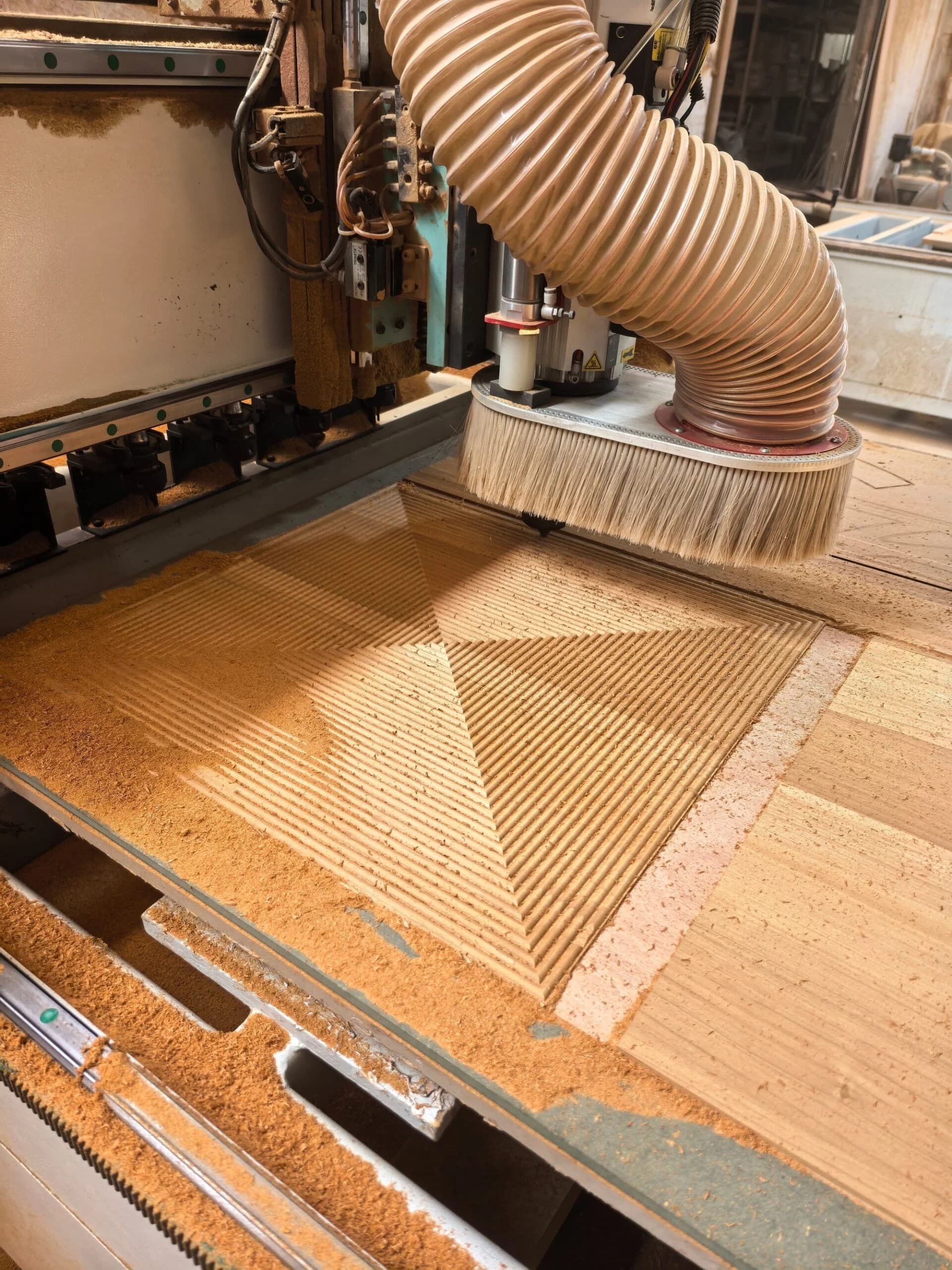
Our factory utilizes specialized post-milling wrapping machinery that allows for rounded edges and 3-sided veneer that cheaper factories simply cannot produce.

By managing our own fulfillment, we ensure that panels are handled with care and delivered faster, with a significantly lower carbon footprint than panels that sit in multiple warehouses.

We reinvest our remaining margins into R&D for new finishes (like ChromaShield™ UV-Guard) and providing expert technical support for our clients.

Our pricing philosophy is simple and consistent.
We do not:
Instead, we offer stable pricing that reflects the real value of the materials, engineering, and manufacturing behind each panel. Removing unnecessary retail markups allows us to deliver higher-quality products at a more accessible price point without sacrificing performance or durability.
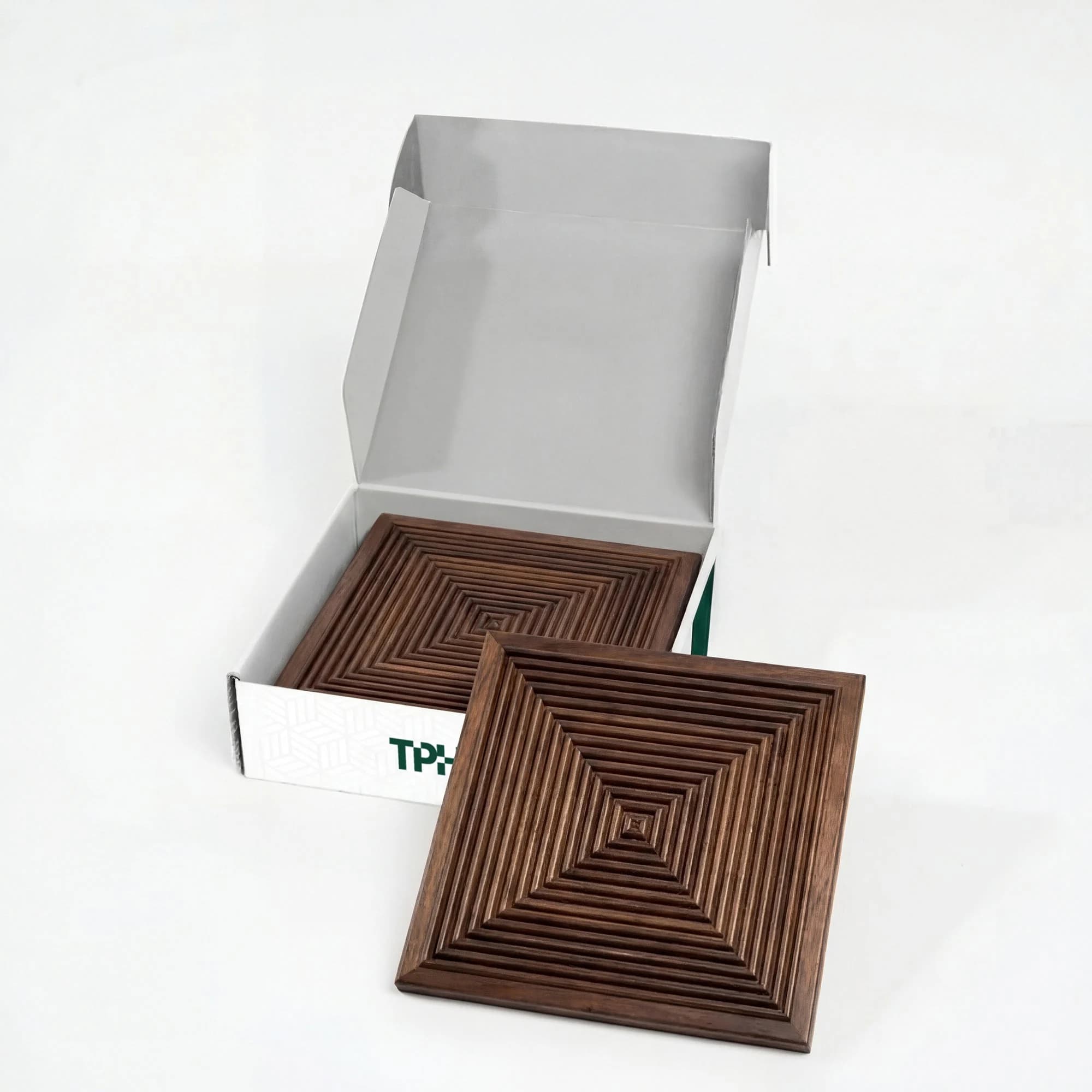
Retail showrooms are often perceived as a sign of quality, but they introduce significant overhead that customers ultimately pay for. Instead of investing in physical retail locations, we invest in tools that support informed decision-making without inflating prices.
Our approach prioritizes:
Samples allow customers to evaluate materials in their own space and lighting conditions. Technical documentation and performance data provide clarity without relying on sales-driven environments. This approach keeps costs focused on the product while still providing confidence throughout the buying process.
This not only reflects our commitment to responsible sourcing, but also to safety and high manufacturing standards.







Premium materials, minus the middleman. Get premium wood finishes at direct-to-consumer prices.

Designed to meet precise specifications, with detailed technical data and consistent grading across every project.

Scalable Solutions. Predictable lead times and bulk pricing for hospitality, office, and retail builds.
Our customer support is available 24/7 to answer your inquiries.
Average answer time: 2h
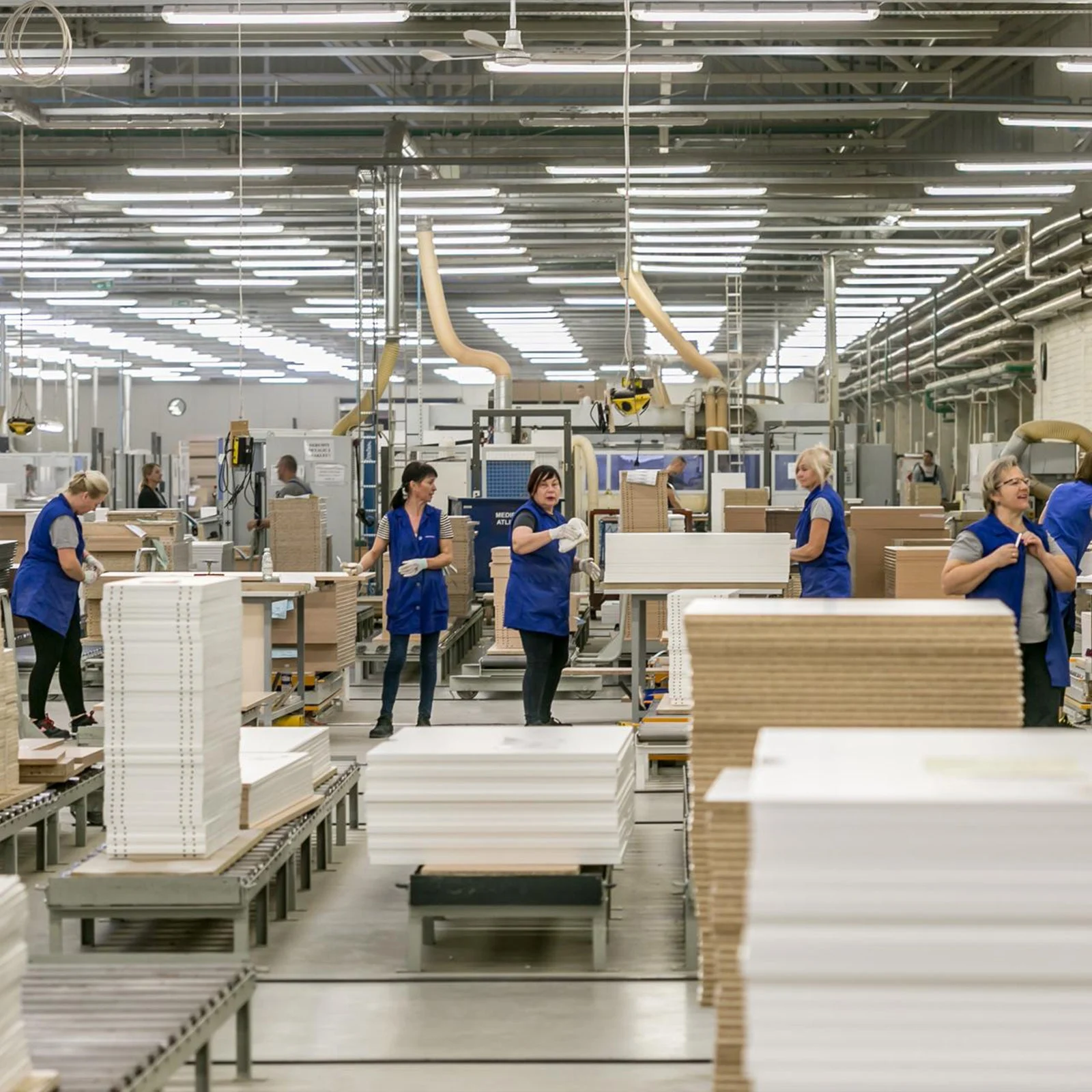
The Panel Hub works directly with manufacturing partners and supplies products factory-direct to customers. Panels are not sold through retail chains, distributors, or third-party showrooms, which allows tighter control over materials, production standards, and pricing.
TPH panels are manufactured in partner factories specifically chosen for wood paneling specialization. Each factory is audited for material sourcing standards, environmental compliance (FSC for wood, EPD for environmental impact), and quality control processes. The same factories that supply commercial architecture firms supply TPH, which is why the spec sheet matches the price.
Multi-stage QC at the factory before any panel leaves. Wood veneer is inspected for grain consistency and Grade A surface quality. Felt backing is checked for proper density (1,500 g/m² for acoustic panels) and bond strength. Each finished panel is visually inspected for slat alignment, edge finishing, and dimensional accuracy. Random batch testing for acoustic and fire compliance happens on every production run.
Factory-direct pricing allows more of the total cost to be allocated to materials, engineering, and quality control rather than retail overhead. This means higher-grade components, tighter tolerances, and consistent production standards without increasing the final price.
No. Factory-direct does not indicate lower quality. In many cases, retail pricing requires manufacturers to reduce material thickness, simplify finishes, or limit testing to meet margin requirements. The Panel Hub’s model removes those constraints by eliminating retail markups.
Direct oversight of production allows tighter control over veneer selection, slat spacing, backing density, and finishing processes. This reduces variation between panels and ensures predictable installation results, especially for large or high-visibility projects.
The factory-direct model benefits homeowners, designers, architects, and commercial buyers who value transparency, consistent quality, and long-term performance. It is especially suited for projects where material integrity and predictable results matter more than retail branding.
Traditional retail brands operate through a complex chain of international exporters, national distributors, and regional wholesalers, each adding a "Retail Tax" of 20% to 50%. By shipping directly from our manufacturing line to your door, we eliminate these unnecessary markups. This allow us to reallocate those savings into superior raw materials, such as our 15mm AcuFelt™ and CoreShield™ cores, while still maintaining a mid-market price point.