
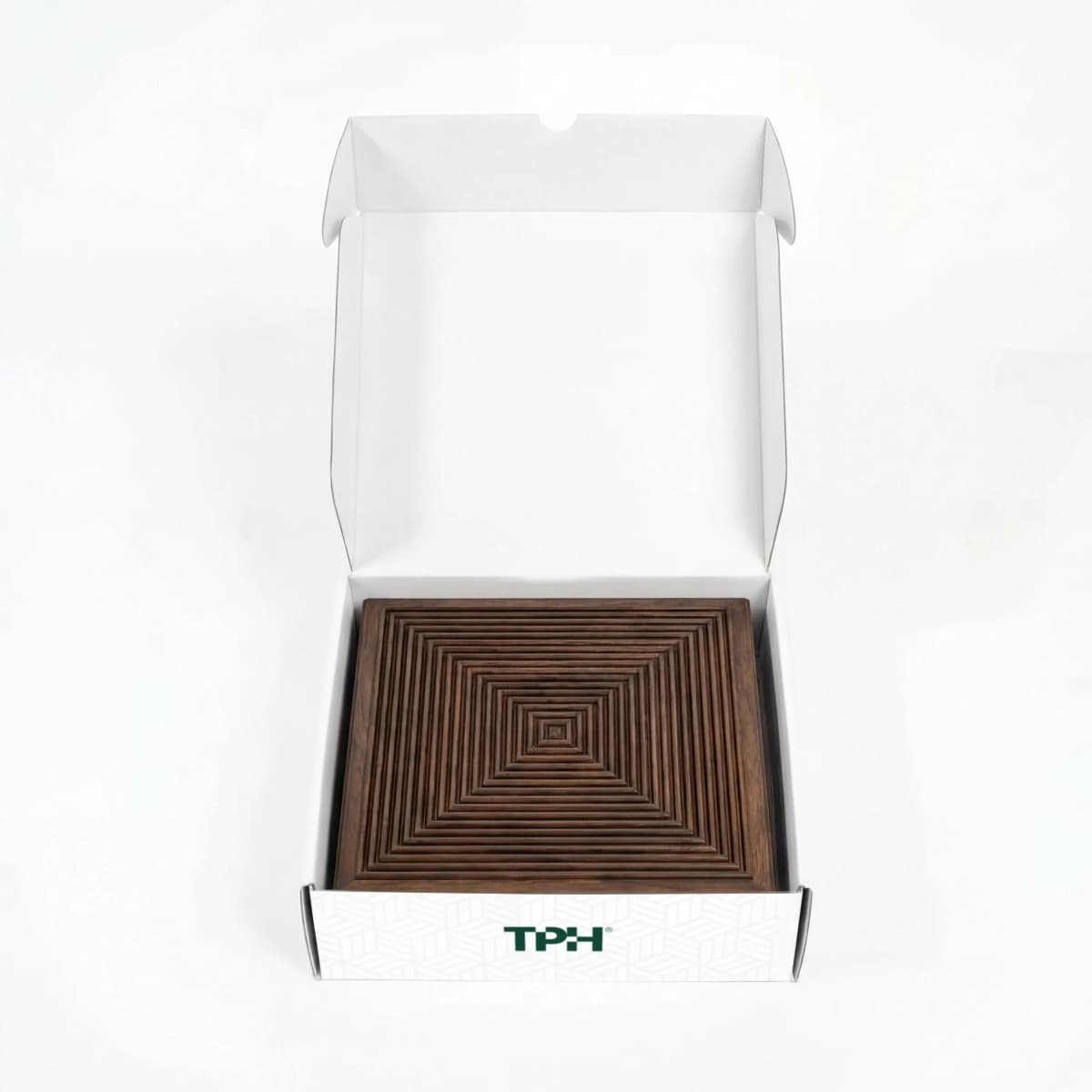
Specifying wall panels without physical samples is one of the most common and costly mistakes in interior design and fit-out projects. Digital images, product photography, and online swatches cannot replicate the way a panel performs in your specific space — under your lighting conditions, against your floor and furniture, and at the scale it will actually appear on the wall.
This checklist is for designers, architects, and specifiers who want to make confident panel decisions based on real material evidence rather than screen approximations.
Why Samples Are Non-Negotiable
Three things about wall panels cannot be reliably assessed from digital images:
- Colour temperature: Wood panel finishes shift significantly under different light sources. A warm oak that looks golden under the photography studio’s warm lights can look grey and flat in a north-facing room. A stone effect panel that looks grey online may have warm beige undertones in your actual lighting conditions.
- Surface texture and depth: The three-dimensional quality of fluted, slat, and stone-effect panels — the way light plays across the relief — cannot be conveyed in a photograph. The depth and character of the texture only becomes apparent when you hold the sample at different angles under your lighting conditions.
- Scale and proportion: Individual slat widths, groove depths, and stone face sizes read very differently at the scale of a sample versus the scale of a full wall. A profile that looks fine in a hand-held sample can look very different when you visualise it at 2.4 metres high across a wall.
What to Request When Ordering Samples
When requesting samples from The Panel Hub, provide enough information for the team to send the most useful selection:
- The room type (bedroom, living room, commercial reception, etc.)
- The wall dimensions and the approximate area of panel coverage planned
- The existing or planned floor finish and its colour/tone
- The primary light source (natural light direction, artificial light colour temperature)
- Any existing materials the panel needs to coordinate with (furniture finishes, flooring, other wall materials)
- Whether aesthetic, acoustic, or stone-effect products are the primary interest
How to Assess Samples Properly
Assess in the Actual Space
Take samples to the space where the panels will be installed, not your office or studio. Hold the sample against the wall and assess it at the time of day when the room is typically used. A bedroom panel should be assessed in morning and evening light; an office panel should be assessed under the planned artificial lighting.
Assess Against Other Materials
Hold the sample next to your flooring, furniture swatches, and other material samples. The panel needs to work with the surrounding palette, not just look good in isolation.
Assess at Scale
Order the largest sample available for any product you’re seriously considering. A full panel or a large section gives you a much more accurate sense of how the slat spacing, grain character, and colour variation will read at wall scale.
From Sample to Specification: The Next Steps
Once you’ve identified the right panel from samples, the specification process involves:
- Confirming the product reference, finish, and dimensions
- Calculating the area to be covered and applying a 10–15% wastage allowance
- Confirming lead time, stock availability, and delivery requirements
- Obtaining any required technical documentation — fire test certificates, acoustic performance data, installation data sheets
The full wall panel range and stone effect panels from The Panel Hub are available for sampling. Contact the team to request the samples you need for your current projects.