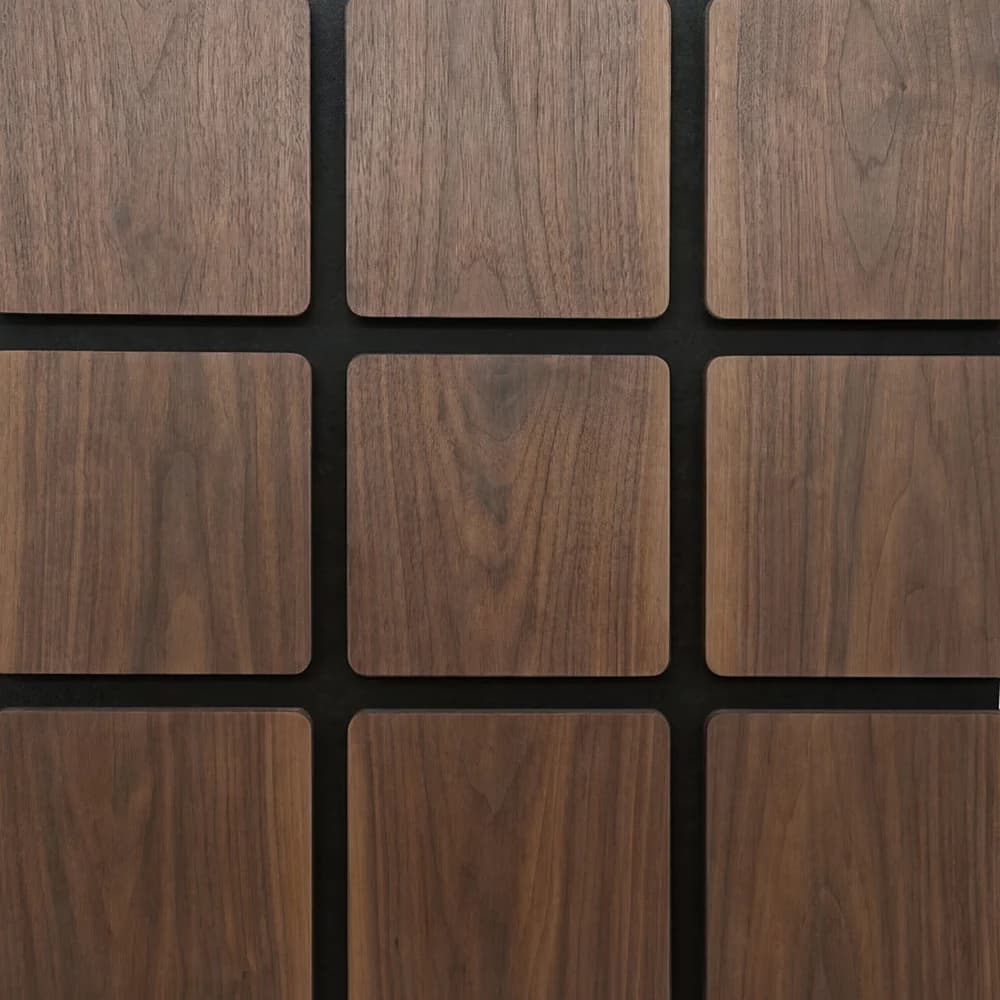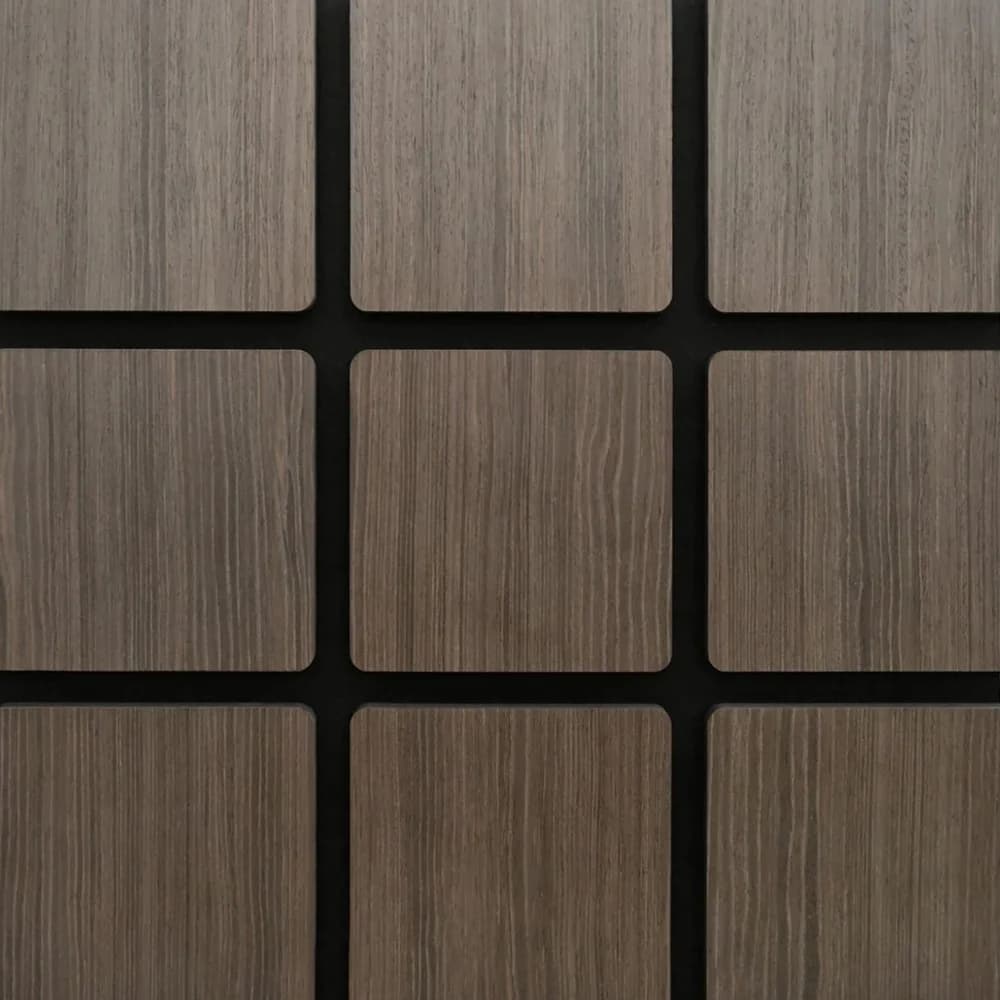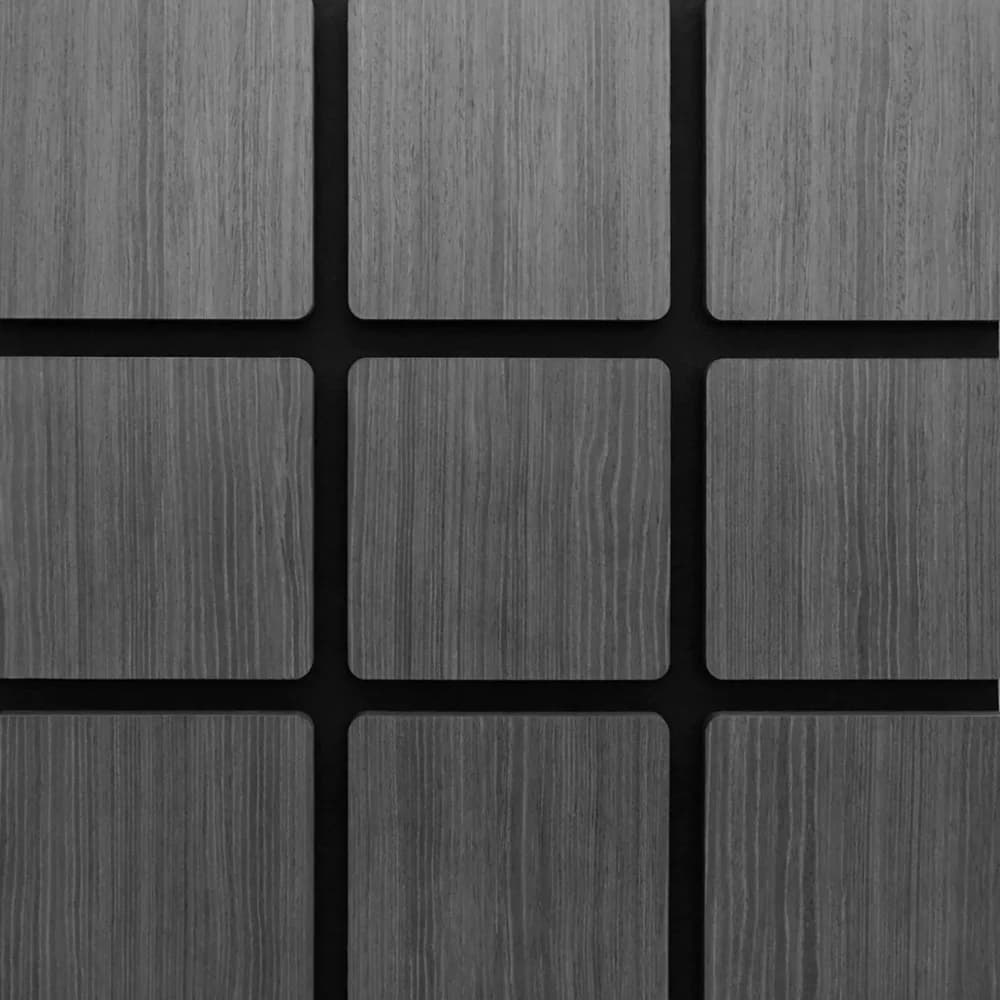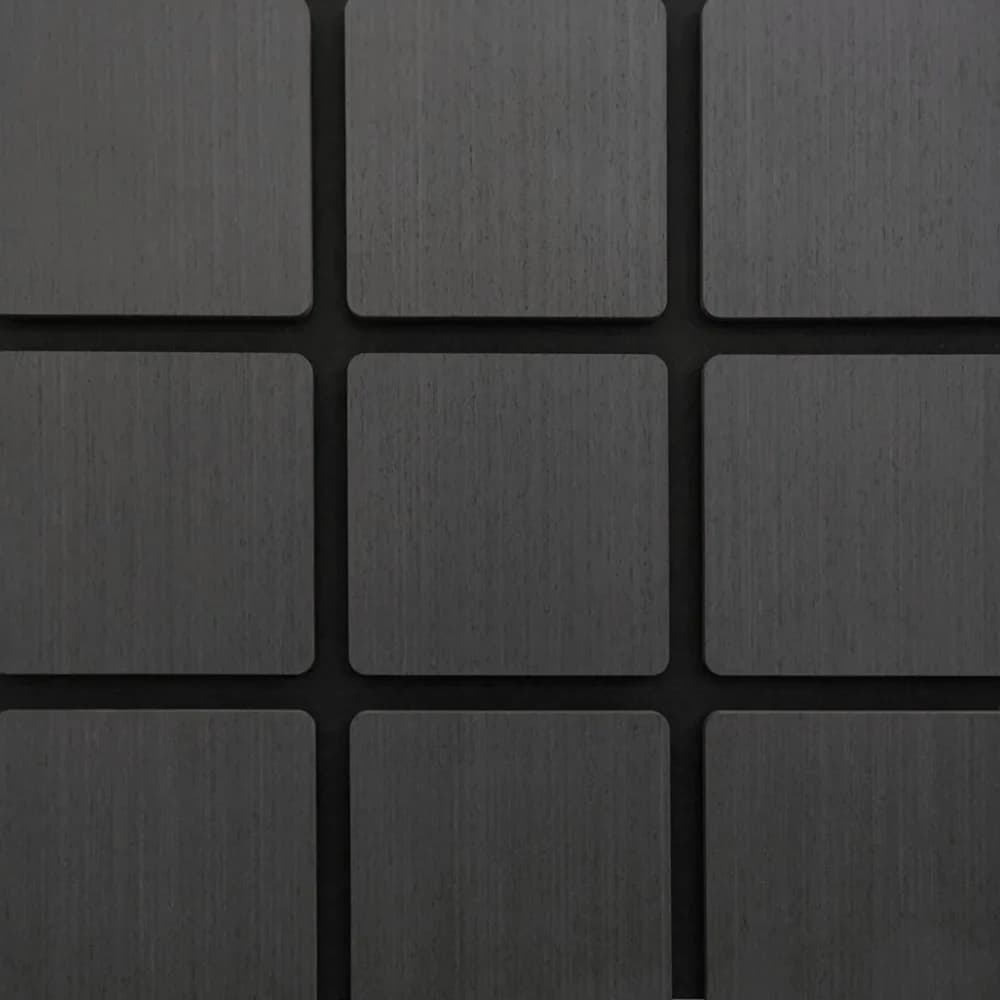

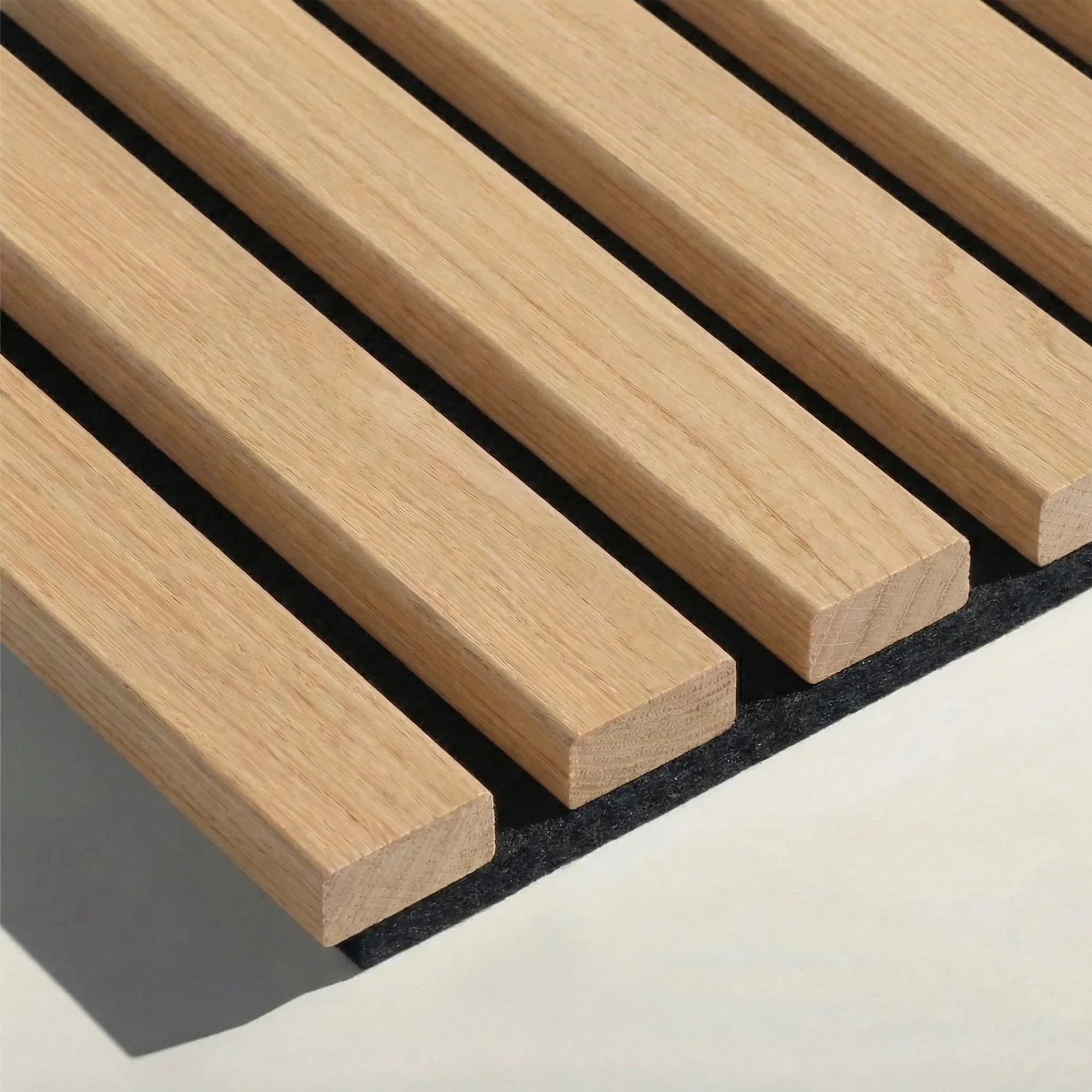
 Pack of 4



Acoustic Slat Wood Wall Panels | SoundPanel™
4.7(83)
$799$1,141

The rise of the acoustic wood slat wall panels trend has led to an explosion of budget-grade options on the Amazon marketplace. At first glance, these panels appear identical to professional standards like The Panel Hub. However, for architects, contractors, and performance-minded homeowners, the differences are stark. Choosing a budget panel from an unverified Amazon seller often leads to aesthetic disappointment, environmental health concerns, and most importantly, acoustic failure.
In this comparison, we peel back the layers of the "budget panel" to reveal the truth about material quality, the frequent falsification of NRC ratings on marketplaces, and why domestic US standards are essential for the safety of your home.
| Features | TPH™ | Amazon Marketplace Sellers |
|---|---|---|
| Felt Thickness | 15mm AcuFelt™ (Premium) | 6mm to 9mm (Low Density) |
| Acoustic Testing | Certified Class A 0.85 NRC Rating (Verified) | Unverified / Frequently Falsified |
| Veneer Quality | 3-Sided Veneer Wood | Paper Laminate or 1-Sided Plastic |
| Health Safety | Low VOC / FSC Certified | Unknown Formaldehyde Levels |
| Core Technology | CoreShield™ Water Resistant | Recycled Scrap MDF |


Amazon: The most alarming trend on marketplaces like Amazon is the proliferation of falsified NRC (Noise Reduction Coefficient) ratings. Many budget sellers claim an NRC of 0.85 or higher for panels that use extremely thin, low-density felt (often as thin as 6mm or 9mm). Scientifically, it is nearly impossible for a 9mm felt panel with standard spacing to achieve a Class A rating without additional insulation.


Amazon: Many Amazon sellers utilize Laminate or Melamine instead of real wood veneer. These are essentially high-resolution photos of wood printed on plastic or paper and glued to the slat. While they look acceptable in photos, they lack the texture, warmth, and light-refraction of real timber. They are also prone to peeling and cannot be stained or oiled to match your decor.
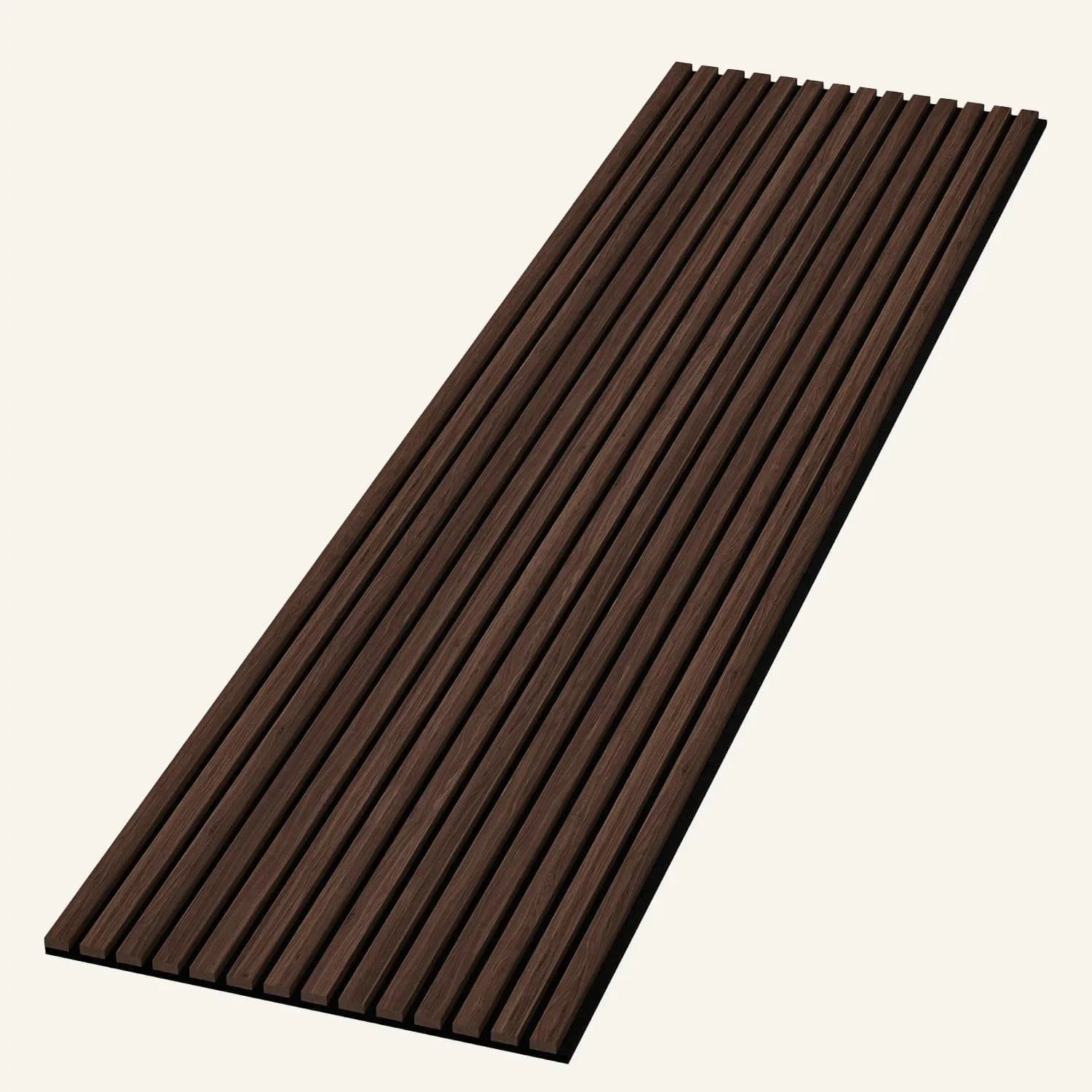

Amazon: The "core" of the slat is where budget panels often cut costs to the extreme. Marketplace panels often use low-density, scrap-grade MDF that is brittle and highly susceptible to moisture. If you live in a humid climate, these panels can begin to sag or warp within months of installation.


Amazon: Because many Amazon panels are mass-produced in unregulated factories and shipped directly to the US, they often bypass the stringent VOC (Volatile Organic Compound) testing that domestic brands must undergo. Low-grade glues and resins used in budget MDF can "off-gas" formaldehyde into your home for years.
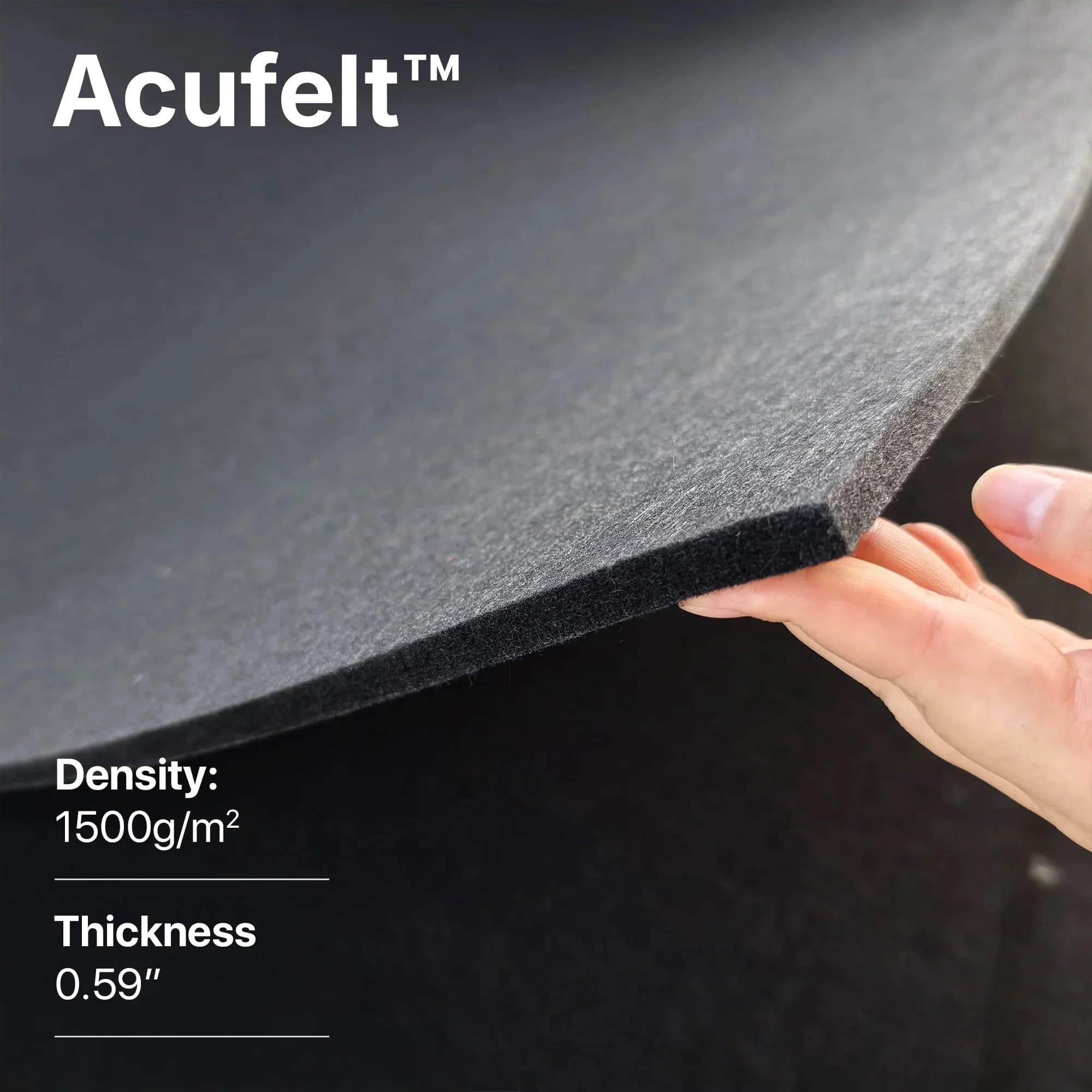

Amazon: Many list “acoustic” as a feature but use 9mm felt or even thinner that only affects high-frequency noise. This gives an illusion of acoustic improvement but leaves rooms sounding echoey and unbalanced.
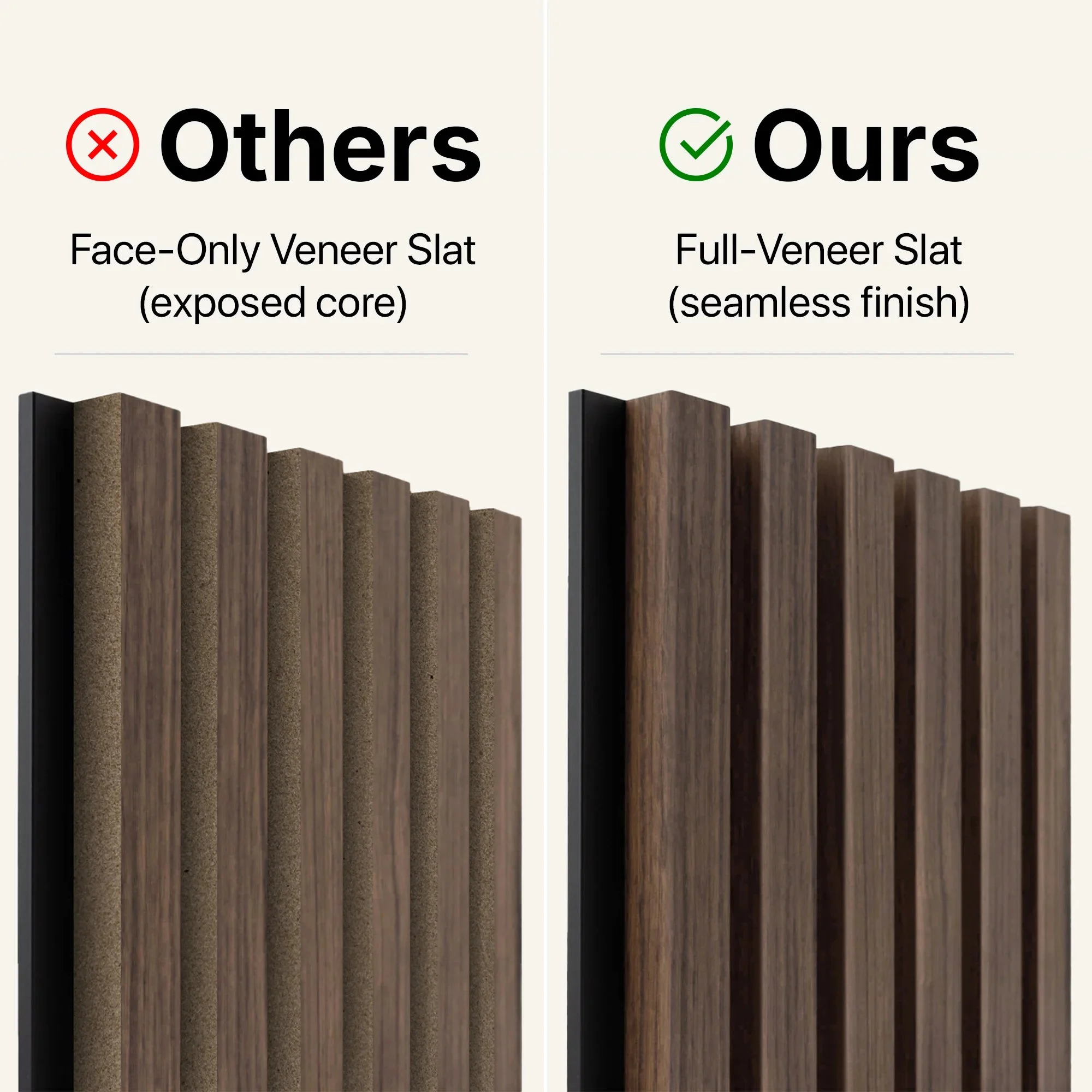

Amazon: Typically, Amazon panels are finished only on the front. When installed on an open wall, corner, or exposed end, the raw core or unfinished side becomes visible, breaking the visual continuity and reducing the sense of quality.


Amazon Panels: Frequently use lightweight, low-density MDF or particle board cores to save cost. These can warp, sag, or separate from the facing under heat, moisture, or long-term stress.
Generic marketplace panels are cheaper because specification costs money - third-party acoustic testing, moisture-resistant core engineering, UV-inhibiting finishes, and a warranty backed by a real support team all add to unit cost. For a temporary or purely decorative installation where none of that matters, the price gap is real and the cheaper option is rational. For a permanent installation where any of those factors matter, the price gap is the cost of not finding out the hard way.
Our customer support is available 24/7 to answer your inquiries.
Average answer time: 2h
Most Amazon panel listings are private-label imports with no consistent manufacturing standard, no third-party acoustic certification, and no warranty support beyond Amazon's return policy. The savings come from cutting materials, not optimizing supply chain. PVC foil instead of real wood veneer. Thin felt instead of high-density acoustic felt. Basic MDF instead of moisture-resistant core. The price reflects what's missing.
Usually not in any verified sense. Most Amazon listings claim noise absorbing or soundproof without publishing an NRC rating from an independent lab. The thin felt backing on most marketplace panels (typically 9mm at 1,100 g/m² or less) is decorative, not functional. TPH publishes SGS-verified NRC 0.85 with certificate documentation.
Usually not. PVC foil wrapping common on Amazon panels can peel, bubble, or fade unevenly under sunlight or temperature changes. Real wood veneer (TPH's standard) ages with the room and develops character. The first month, the difference is hard to see. After a year, the difference is obvious.
Mixed. Most marketplace panel listings have limited verified reviews and inconsistent quality between batches because the underlying factory can change. TPH ships from one US warehouse with consistent factory sourcing, and reviews on Trustpilot and the product pages reference the same product from the same supplier. Consistency matters when reviews are guiding your decision.
Amazon's standard return window is 30 days for most categories. After return, you're dealing with the third-party seller, not Amazon, and seller responsiveness varies. TPH offers 60-day returns and a 5-year warranty handled directly by the in-house team in the US. For a wall installation that's hard to remove, warranty length matters.
A few scenarios. Temporary install (rental, staging, short-term). Very small accent (one wall behind a small sofa). Backdrop for video that won't be seen up close. Test install before committing to a permanent solution. For everything else, the spec gap shows up too fast to recover the savings.
Amazon Prime is faster on the day. TPH ships in 2-7 business days from the US warehouse, which is comparable to non-Prime Amazon shipping. The trade-off: Amazon ships you whatever the third-party seller has, which may not match what you ordered. TPH ships consistent product from one source, every time.