
Wood and stone are the two dominant materials in natural feature wall design. Both have been used in interior and exterior architecture for centuries. Both are now available in panel form — engineered, lightweight, and easy to install — which puts them in direct competition for the same wall space in homes, offices, and commercial environments.
Table of Contents
Choosing between wood wall panels and stone effect wall panels depends on the room, the aesthetic you’re creating, and the practical requirements of the installation.
What Each Material Communicates
Wood Panels
Wood panels are warm. The grain, tone, and texture of timber communicate organic warmth, natural authenticity, and domesticity. Even in their most contemporary application — fine slat panels with precise engineering and clean finishes — wood panels read as approachable and tactile. They work in bedrooms, living rooms, and home offices where warmth and comfort are design priorities.
Stone Panels
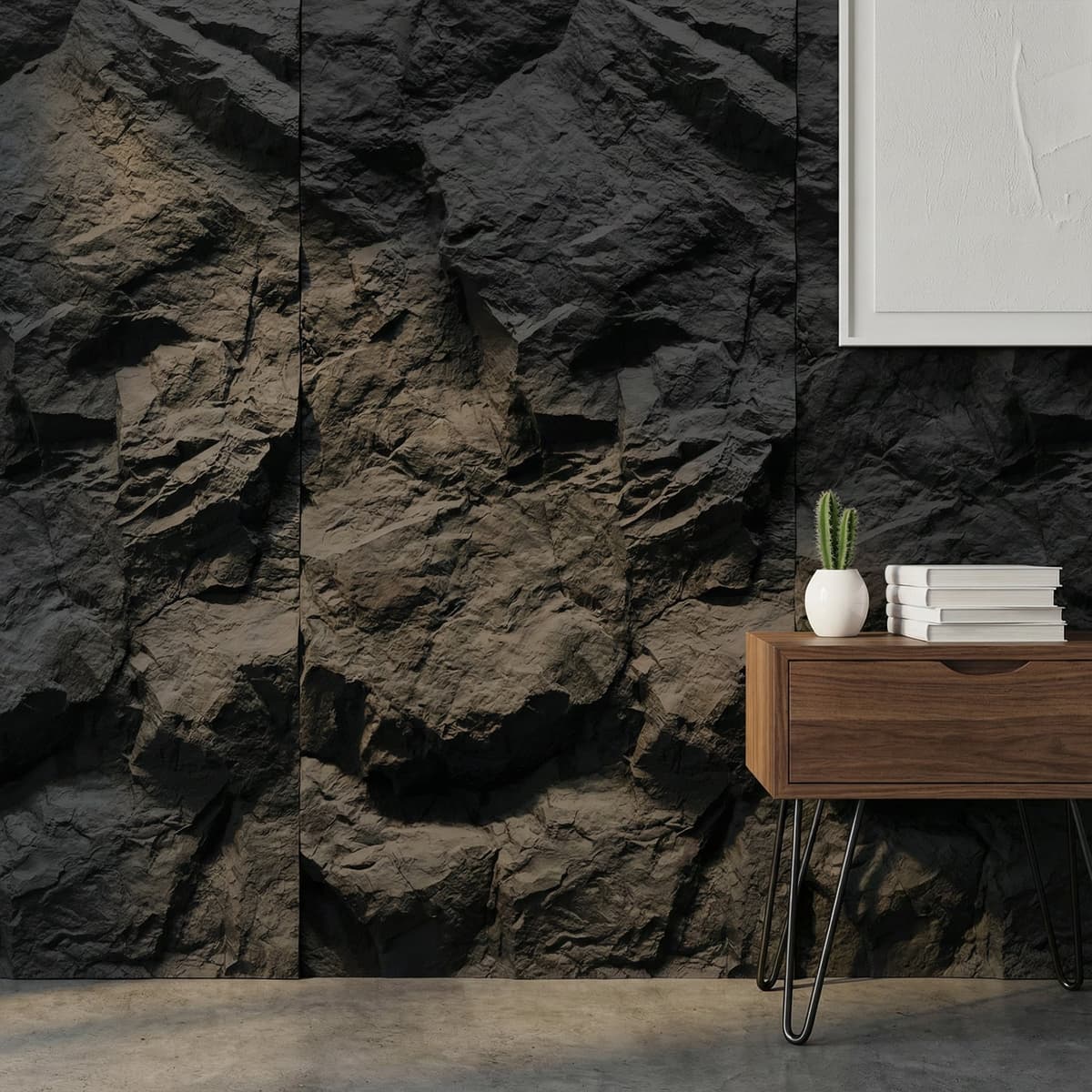
Stone panels are cool. Even in warm stone tones, the material communicates solidity, permanence, and weight. Stone feature walls make a bolder statement than wood and sit more comfortably in rooms where drama or formality is the goal — dining rooms, bar areas, commercial environments, feature fireplaces.
Practical Differences
Moisture Resistance
Stone-effect panels generally have better inherent moisture resistance than wood panels, making them more suitable for bathroom and kitchen applications. Wood panels in humid environments require appropriate surface treatment or moisture-resistant cores.
Acoustic Performance
Wood slat and acoustic panels from the SoundPanel™ acoustic wood wall panel range offer measurable sound absorption — a benefit stone panels don’t provide. If acoustic performance is a factor in your specification, wood acoustic panels have a clear advantage.
Room-by-Room Guide
- Living room: Both work — wood for warmth, stone for drama and formality
- Bedroom: Wood panels are generally preferred for the warmth they contribute
- Bathroom: Stone-effect panels have the moisture resistance advantage
- Kitchen splashback: Stone-effect panels are the practical choice
- Fireplace breast: Stone is the classic choice; wood works in contemporary settings with appropriate fire safety considerations
- Commercial and hospitality: Both are extensively used — choice is driven by the atmosphere the space is designed to create
Can You Use Both?
Yes — and the combination is often more interesting than either material alone. A fireplace breast in stone panels with an adjacent media wall in wood slats creates material contrast that defines the living room as a thoughtfully designed space. In commercial environments, alternating stone and wood surfaces across different zones creates a layered, high-end finish.
Explore Both at The Panel Hub
The Panel Hub supplies both wood wall panels — including the GroovePanel® and SoundPanel™ collections — and the RockSurface® stone effect range. Request samples from both to compare the materials in your own space before deciding.