
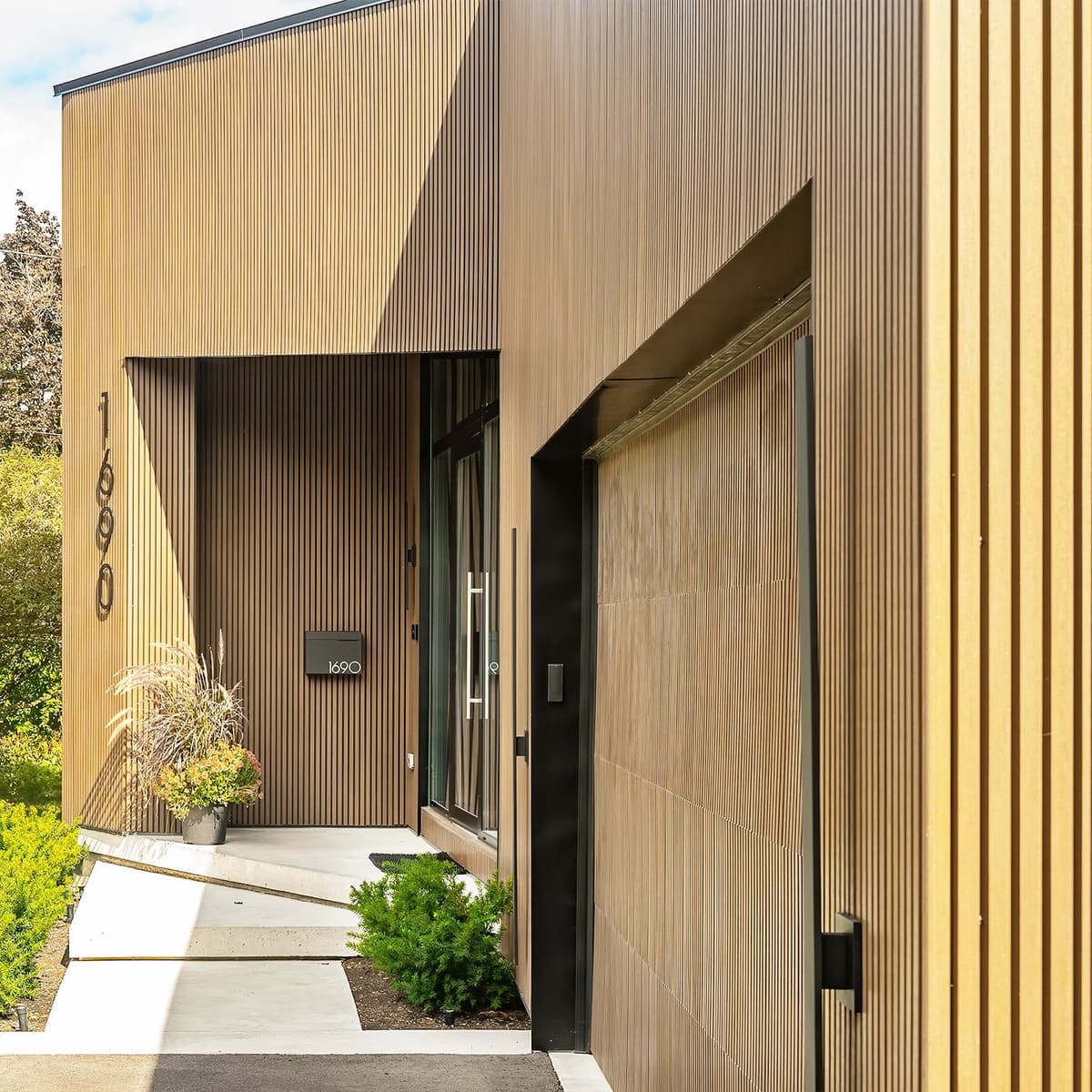
The best alfresco areas feel like extensions of the interior, not afterthoughts attached to the back of the house. Wall paneling is the single most effective way to achieve that continuity — bringing the material language of the indoors out into the garden and creating an outdoor space that feels genuinely considered. At The Panel Hub, our outdoor wall panel collection is designed for exactly this application.
Contents
- What Makes an Alfresco Area Feel Designed
- Panel Types for Alfresco Environments
- Stone Effect Panels — Natural Integration with Outdoor Settings
- Composite Outdoor Panels
- Alfresco Panel Design Ideas
- The Outdoor Kitchen or BBQ Feature Wall
- The Outdoor Dining Wall
- The Covered Pergola or Veranda Wall
- The Garden Bar or Entertainment Station
- Connecting Alfresco to Interior
- Installation Notes for Alfresco Panels
- Create Your Alfresco Room
What Makes an Alfresco Area Feel Designed
The difference between an outdoor entertaining area that feels like an extension of the home and one that feels like a patio with furniture is almost entirely about surfaces. Flooring, ceiling treatment, and wall surfaces — together they define whether the space reads as a room or as an outdoor area. Of the three, wall paneling is the most transformative single intervention: it turns a rendered house wall or a timber screen into a feature surface that anchors the space architecturally.
Panel Types for Alfresco Environments
Stone Effect Panels — Natural Integration with Outdoor Settings
Our RockSurface® stone effect panels are the most popular choice for alfresco wall applications. The natural stone aesthetic works with any garden setting — contemporary, traditional, or tropical — and the panel construction handles outdoor conditions including rain, UV, and temperature cycling. A stone effect feature wall behind an outdoor kitchen, barbecue station, or dining table is one of the most effective alfresco design moves available.
Composite Outdoor Panels
Composite panels from our outdoor collection offer the warmth of a timber aesthetic with the durability of a moisture-resistant composite core. Unlike natural wood, they do not require annual re-oiling or staining and resist the dimensional movement that causes natural timber to cup and split in outdoor conditions.
Alfresco Panel Design Ideas
The Outdoor Kitchen or BBQ Feature Wall
The wall behind an outdoor kitchen bench or built-in barbecue is the focal point of the entire alfresco area. Full-height stone effect cladding here creates a backdrop that is both visually striking and practically appropriate — stone effect panels handle heat proximity, cooking splatter, and weather exposure in a way that painted render does not. Integrate stainless steel shelving into the paneled wall for a result that reads as genuinely designed rather than assembled.
The Outdoor Dining Wall
A paneled wall behind an outdoor dining setting defines the space and creates a sense of enclosure that makes outdoor dining feel more deliberate. Stone effect panels at full height, with wall-mounted outdoor lighting integrated into the panel installation, transforms an open patio into a room with a back wall — and dramatically changes the feel of outdoor entertaining.
The Covered Pergola or Veranda Wall
In covered outdoor areas where the ceiling is defined, wall paneling completes the room by treating the vertical surfaces. Panels on the house-facing wall of a pergola or veranda create the feeling of an indoor room while remaining fully in the open air. Choose a panel finish that references the interior of the house — if the indoor walls are warm wood, carry that material tone outside — for a transition that feels seamless.
The Garden Bar or Entertainment Station
Outdoor bars and entertainment stations benefit from the same design logic as their indoor counterparts: the wall behind the bar is the hero surface. A paneled bar back wall in a covered garden area — with integrated LED lighting and shelving — creates an outdoor feature that genuinely rivals any interior bar installation.
Connecting Alfresco to Interior
The most successful alfresco installations reference the interior material palette. If your indoor walls feature acoustic slat panels, consider stone effect panels outside that share the same warm tone. If your kitchen uses dark cabinetry, choose a panel with a complementary mid-to-dark finish for the outdoor kitchen wall. The goal is a material conversation between inside and outside, not a match — variety is appropriate, but the palette should feel related.
Installation Notes for Alfresco Panels
- Covered alfresco areas are sheltered from rain but not from humidity and condensation — always specify outdoor-rated panels even in covered settings
- Use stainless steel or marine-grade mechanical fixings for all outdoor installations
- Seal all panel joints and terminations with exterior-grade flexible sealant
- Integrate any electrical cable runs for lighting before panels are installed — routing cables through installed panels is difficult and disruptive
Create Your Alfresco Room
Browse our outdoor wall panel collection and our full range of decorative wood wall panels at The Panel Hub to find the right panel for your alfresco project.