
Table of Contents
What Are Grooved Wall Panels?
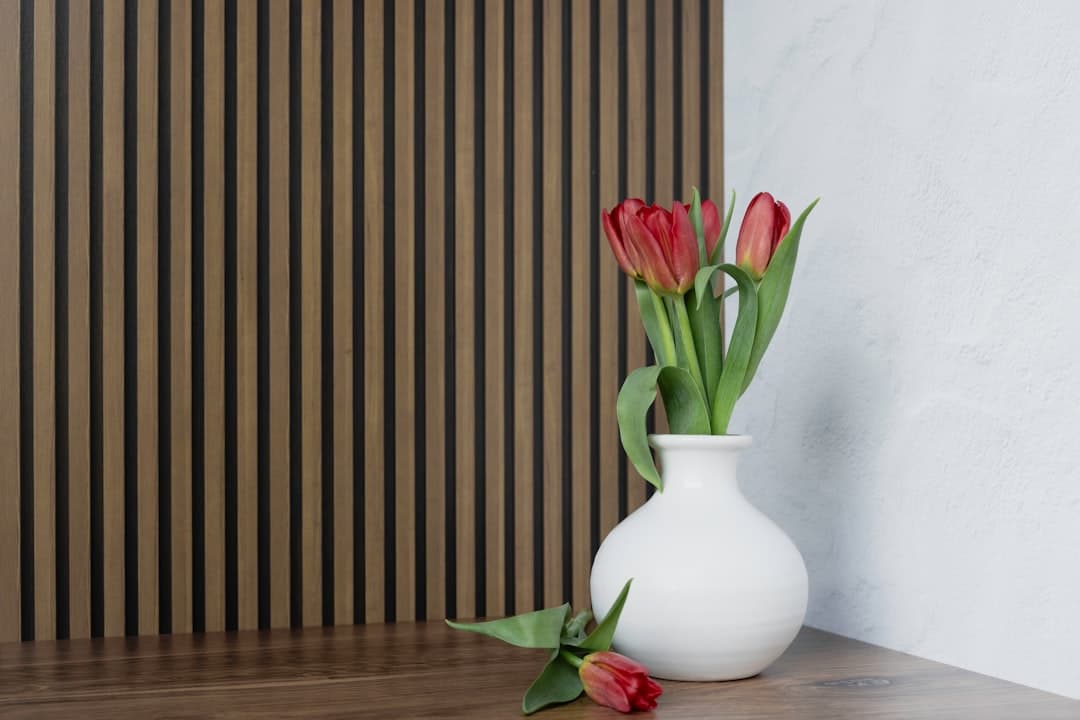
Grooved wall panels are wood wall panels with deliberate channels — grooves — machined or routed into the panel face. The grooves can run in a single direction (vertical or horizontal), intersect in a grid, radiate outward in a concentric pattern, or form more complex geometric configurations depending on the panel design.
The groove itself is doing two things simultaneously: creating a physical shadow line that adds depth to the wall, and defining a geometric pattern that gives the wall visual rhythm and organisation. The result is a wall surface that is more than a flat backdrop — it has its own architectural character.
At The Panel Hub, our GroovePanel® collection is built around this principle. Every panel in the range is 100% solid wood throughout — no MDF core, no veneer face — with precision-machined grooves that hold their geometry permanently. The same grain that appears on the panel face runs through the groove edge and the panel back, because there is no veneer edge to separate or degrade over time.
How Grooves Create Depth and Shadow
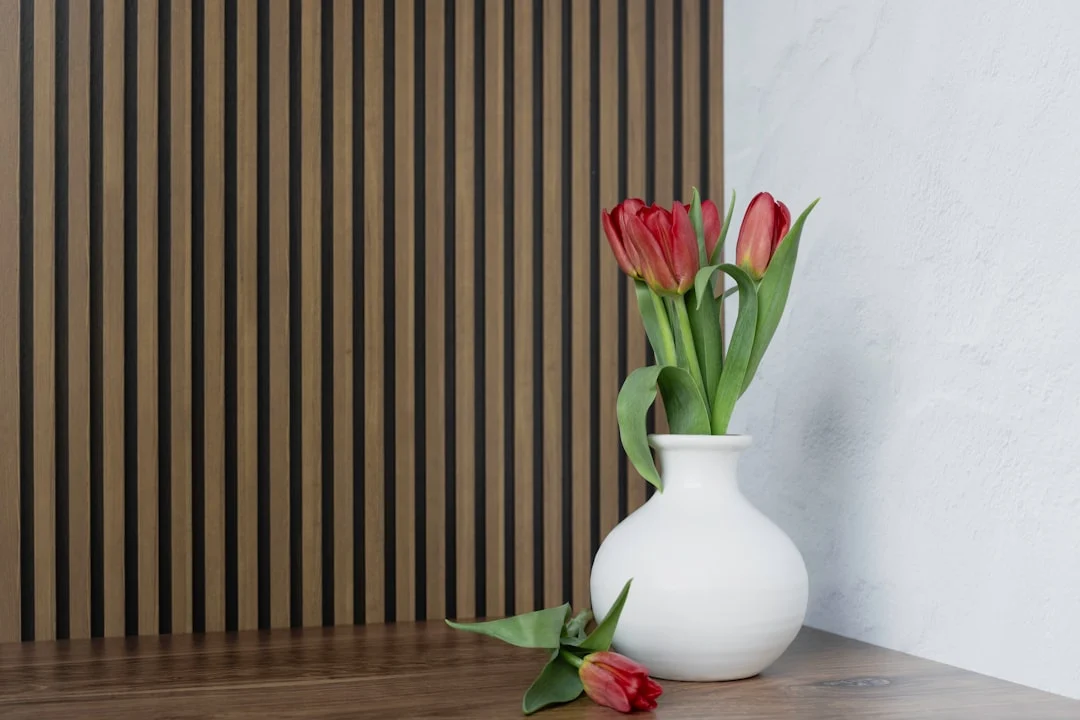
The visual appeal of a grooved wall panel is directly tied to how light interacts with the groove geometry. A groove cut into a panel face creates a recessed shadow line — a darker band that contrasts with the lit surfaces on either side. As the light source changes through the day, the shadow depth and position shift, which means a grooved wall panel looks different in morning light, afternoon light, and under artificial evening lighting. The panel is not static.
The depth and width of the groove determines how strong this effect is:
- Shallow, narrow grooves (3–6mm deep): Create subtle texture — refined background detail that rewards close inspection without dominating the room from a distance. Best suited to rooms where the wall should provide warmth and interest without competing with furniture or art.
- Deep, wide grooves (10–20mm deep): Create strong, hard shadow lines visible from across the room. These grooves read as bold architectural pattern and suit rooms where the wall is intended to be the primary visual statement.
Groove direction adds another dimension. Vertical grooves extend the visual height of a room — the eye follows the groove lines upward. Horizontal grooves extend visual width. Intersecting grooves in a grid create even, balanced texture with no directional emphasis.
Why Interior Designers Specify Grooved Panels
Material Authenticity
Grooved panels in solid wood are a genuine material — real grain, real texture, real warmth. Designers working at the premium end of the residential and commercial market specify them because they introduce natural material quality that painted surfaces, wallpaper, and even most laminate finishes cannot replicate. The tactile quality of a grooved solid wood panel — the way the groove edge feels under a fingertip, the way the grain changes tone at the cut edge — is something that has to be experienced to be fully understood.
Precision and Control
Grooved panels give designers precise control over the visual character of a wall. The groove spacing, depth, direction, and pattern are all specified and consistent across every panel — unlike hand-finished or painted surfaces where the result depends on the skill of the tradesperson on the day. CNC-machined grooves are repeatable and exact. The panel-to-panel alignment on an installed wall reflects that precision.
Versatility Across Design Styles
Grooved panels sit comfortably across a wide range of interior design languages:
- Japandi and Scandinavian: Fine-scale vertical grooves in pale oak or natural ash sit perfectly within the clean, material-honest aesthetic of Nordic-influenced interiors
- Contemporary and minimalist: Intersecting grid grooves in a mid-tone wood create architectural texture without ornament
- Mid-century modern: Concentric square grooves reference the geometric forms of 1950s and 60s design with a contemporary material execution
- Transitional: Horizontal grooves in a warm walnut tone add character to transitional interiors without reading as period-specific
Acoustic Contribution
In rooms where sound quality matters — home offices, media rooms, dining rooms with hard floor surfaces — grooved panels contribute a small but measurable acoustic benefit. The grooves break up the flat reflective surface of the wall, introducing surface irregularity that diffuses rather than reflects sound. For more significant acoustic treatment, dedicated acoustic slat panels with felt backing are the appropriate specification — our SoundPanel® collection is designed specifically for this purpose.
Where to Use Grooved Wall Panels
Feature Walls and Focal Points
The most common application — a single grooved panel wall as the primary focal point of a room. Living room sofa walls, bedroom headboard walls, and home office backdrop walls are the most frequent choices. A single well-executed grooved panel feature wall transforms the quality of a room in a way that few other interventions can achieve for equivalent cost and effort.
Full-Room Applications
In smaller rooms — walk-in wardrobes, studies, powder rooms — wrapping all four walls in a fine-scale grooved panel creates a cohesive, immersive material environment. The groove pattern unifies the space and eliminates the need for any other wall treatment or decoration. This approach requires precise panel-to-panel planning to ensure the groove pattern reads continuously at internal corners.
Alcoves and Recesses
Grooved panels used to line alcoves, recesses, or the interior of shelving units create a premium material backdrop that elevates the objects displayed against it. Books, objects, and plants all look better against a grooved wood surface than against painted plaster.
Commercial and Hospitality Spaces
Hotel reception walls, restaurant feature walls, office boardrooms, and boutique retail environments regularly specify grooved wood panels because the material quality and geometric precision signals investment and attention to detail. GroovePanel® FSC® and EPD certification means these panels meet sustainability requirements for LEED, BREEAM, and other commercial green building frameworks.
Choosing Between Groove Patterns
The GroovePanel® collection includes three primary groove configurations:
- Crossing Lines: Horizontal and vertical grooves intersect to create a grid. Even, balanced, works at any scale. See our Crossing Lines panel guide for specific design applications.
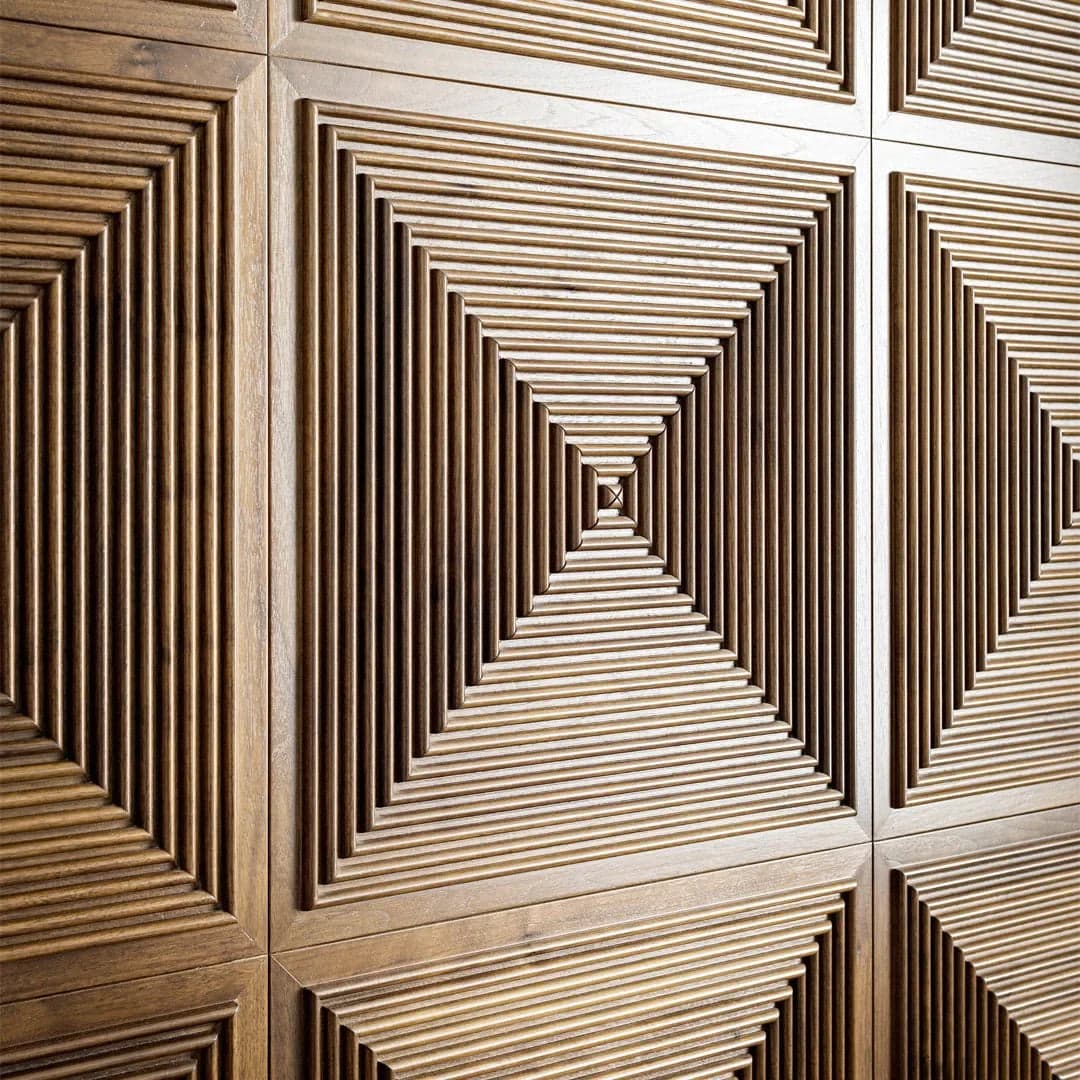
- Concentric Squares: Nested squares machined into each panel face. Creates a radiating focal-point pattern. See our Concentric Squares guide for room-specific ideas.
- 3D Relief: Stepped and faceted relief elements that create physical depth beyond a single groove plane. Requires directional lighting to perform at its best. The 3D Geometric Pattern panel is the most striking expression of this format in the GroovePanel® range.
Our geometric wood panel guide covers the full range of patterns, their visual character, and which rooms suit each one.
Browse the GroovePanel® Collection
Explore the full GroovePanel® range at The Panel Hub — 100% solid wood, FSC® and EPD certified, with factory-direct pricing, free US shipping, a 5-year warranty, and 24/7 support. Order a sample to see the groove depth, grain quality, and shadow-play in your own space before committing to a full wall.