
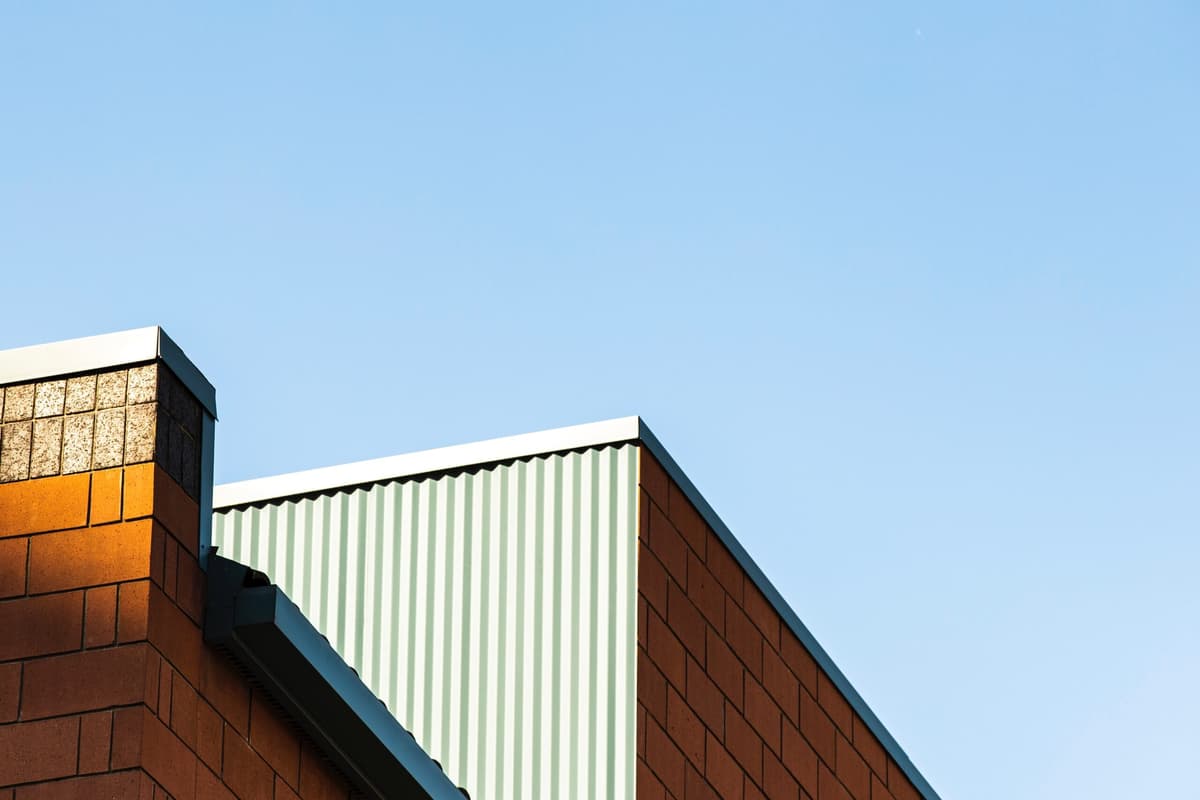
When you come to people’s homes and see the exterior of a house, the first thing that catches your eye is often the cladding, right? Whether it’s wood, brick, or metal, that’s the architectural design. Thus, what is cladding and why do people often use cladding on their house?
Cladding is a protective layer attached to the outside walls of a building, More than that, cladding gives the house a distinctive style and character because each cladding has a different design, color and material. In this guide, I’ll take you through what cladding looks like, how it differs from siding, and help you choose the best cladding for your home.
Table of Contents
- What Does Cladding Look Like on a House?
- Cladding vs. Siding: What’s the Difference?
- How Much Does Cladding Cost?
- What’s the Best Cladding for Your Home?
-
FAQs About House Cladding
- What is cladding on a house?
- What is the main purpose of cladding?
- Is cladding necessary for every house?
- What are the different types of house cladding?
- Which cladding material is the best?
- Does cladding improve insulation?
- Can you install cladding over existing walls?
- Is cladding expensive?
- Does cladding increase home value?
What Does Cladding Look Like on a House?
Cladding comes in various materials and finishes, which means it can transform the look of your home dramatically. Imagine sleek modern panels, rustic wood, or even a stylish brick veneer—cladding offers endless possibilities! Here are some common types:
- Timber cladding: Warm and natural, this gives your home a cozy, earthy appearance.
- Brick veneer: For a more traditional, timeless look, brick cladding mimics solid brickwork without the heavy weight.
- Metal cladding: Popular in modern designs, it’s sleek and industrial, adding a sharp, contemporary edge to your house.
- Vinyl cladding: A budget-friendly option that mimics wood and comes in a wide range of colors.
Cladding not only affects aesthetics but also adds protection against weather elements, making it an important decision for both style and functionality.
Cladding vs. Siding: What’s the Difference?
People often use the terms cladding and siding interchangeably, but they do have distinct differences. Let’s break it down:
|
Aspect |
Cladding |
Siding |
|
Definition |
An external layer added to a building’s façade, typically for insulation, protection, and aesthetic appeal. |
Applied to the exterior of a building, but its primary focus is on protection and visual design |
|
Materials Used |
Wood, WPC, metal, brick, and stone. |
Mostly vinyl, wood, aluminum, or fiber cement |
|
Application |
Cladding can be decorative, functional, or both. Often covers the entire building, providing insulation and protection. |
Primarily focuses on weatherproofing and visual design. |
|
Aesthetic Variety |
High versatility in terms of materials, colors, and styles, making it ideal for unique or modern designs. |
More traditional in appearance; more straightforward to install and has low maintenance requirements. |
|
Cost |
Varies widely depending on the material—some cladding options can be quite luxurious. |
Typically more affordable, especially with vinyl siding. |
If you’re curious about the nuances that set these items apart, be sure to check out our detailed article on the Cladding vs Siding: Which Is Right for Your Home? It offers a comprehensive breakdown that will deepen your understanding. Don’t miss out on valuable insights. Click the link to explore further! For even more details and examples, head over to the “Key Differences” in articles section.
How Much Does Cladding Cost?
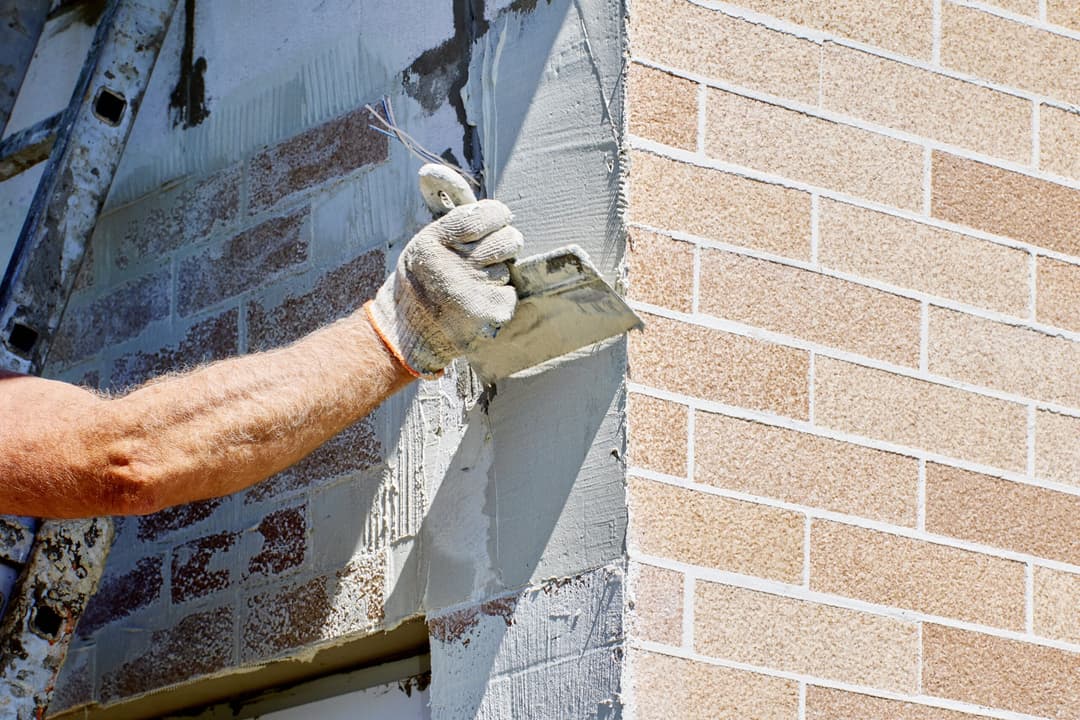
The cost of cladding varies widely depending on the material, installation, and the size of your home. Here’s a quick breakdown of the average costs:
|
Cladding Material |
Average Cost (per square meter) |
|
Vinyl Cladding |
$30 – $100 |
|
Wood/Timber Cladding |
$100 – $250 |
|
WPC |
$150 – $250 |
|
Brick Veneer Cladding |
$100 – $150 |
|
Metal Cladding (Aluminum) |
$150 – $300 |
|
Fiber Cement Cladding |
$60 – $150 |
|
$200 – $400+ |
Keep in mind, these prices include both materials and labor, but factors like geographical location and the complexity of the design can influence the final cost.
What’s the Best Cladding for Your Home?
Choosing the best cladding depends on several factors such as budget, style, and the specific weather conditions in your area. For most homeowners, fiber cement cladding strikes the perfect balance between durability, cost-effectiveness, and design flexibility. It’s low-maintenance, weather-resistant, and mimics other materials like wood without the upkeep. Alternatively, you might consider WPC as another excellent option for your cladding needs.
However, if you’re looking for something high-end, stone cladding offers a luxurious, timeless look that significantly boosts the curb appeal of your home, although it comes with a higher price tag. On the other hand, for budget-conscious renovators, vinyl cladding offers a great combination of affordability and ease of installation.
Ultimately, the “best” cladding is the one that fits your needs and enhances the beauty and longevity of your home.
You Might Also Like: Upgrade Your Home’s Exterior with WPC Outdoor Wall Panels
FAQs About House Cladding
What is cladding on a house?
Cladding is the outer layer applied to a home’s exterior walls. It acts as a protective barrier against weather while also enhancing the building’s appearance. Common cladding materials include wood, metal, vinyl, fiber cement, and stone.
What is the main purpose of cladding?
The primary purpose of cladding is to protect the structure of a house from external elements like rain, wind, and heat. It also improves insulation, reduces maintenance needs, and adds visual appeal to the property.
Is cladding necessary for every house?
While not always mandatory, cladding is highly recommended for most homes. It adds an extra layer of protection and can significantly extend the lifespan of your exterior walls, especially in harsh climates.
What are the different types of house cladding?
Popular types of cladding include:
- Timber (natural wood)
- uPVC (vinyl)
- Fiber cement
- Metal (aluminum or steel)
- Stone or brick veneer
Each type varies in durability, cost, and maintenance requirements.
Which cladding material is the best?
The best cladding material depends on your priorities. For durability and low maintenance, fiber cement and metal are strong options. For a natural aesthetic, timber is popular. If budget is a concern, vinyl cladding is often the most cost-effective.
Does cladding improve insulation?
Yes, cladding can improve a home’s insulation by adding an extra layer that helps regulate indoor temperatures. When combined with proper insulation materials, it can reduce energy costs and improve comfort.
Can you install cladding over existing walls?
Yes, in many cases cladding can be installed over existing walls, provided the structure is sound. A professional inspection is recommended to ensure proper installation and ventilation.
Is cladding expensive?
Cladding costs vary widely depending on material, labor, and location. Budget-friendly options like vinyl are more affordable, while natural stone or high-end timber can be significantly more expensive.
Does cladding increase home value?
Yes, high-quality cladding can increase property value by improving curb appeal, energy efficiency, and structural protection—making the home more attractive to buyers.