
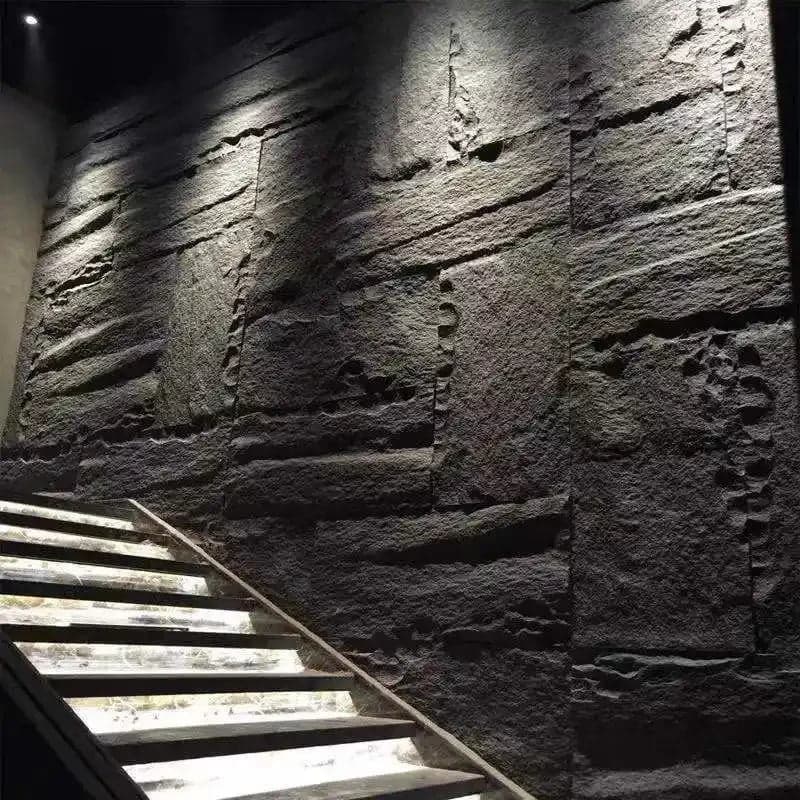
Stacked stone is one of the most enduring looks in interior and exterior design — courses of thin stone laid in horizontal rows, creating a surface that reads as ancient, solid, and artisanal. The problem is that genuine stacked stone is heavy, expensive, and requires skilled installation on a structure capable of bearing the load.
Table of Contents
Stacked stone wall panels replicate the aesthetic using lightweight composite or stone-effect materials that can be fitted by any competent installer in a fraction of the time. The result, done well, is visually indistinguishable from the real thing at normal viewing distances.
Real Stacked Stone vs Stacked Stone Panels: The Honest Comparison
Weight
Natural stacked stone cladding typically weighs 50–80kg per square metre. This requires structural assessment before installation, specialist fixings into masonry, and often a plinth or ledger to support the load. Stacked stone panels from The Panel Hub weigh a fraction of this and can be fixed to plasterboard, timber studwork, or existing wall finishes using standard adhesive or mechanical fixings.
Cost
The material cost of natural stacked stone, plus structural preparation, specialist installation, and ongoing maintenance, typically runs four to six times the cost of high-quality stone-effect panels. For large-format applications — entire accent walls, exterior cladding, commercial fit-outs — the saving is significant.
Appearance
High-quality faux stacked stone panels replicate the natural variation, colour shifts, and texture of real stone. The key quality indicators are the depth of the relief, the colour variation across the surface, and the finish on individual stone faces. Panels using mould-cast textures derived from real stone samples are the most convincing.
Where to Use Stacked Stone Panels
Fireplace and Feature Walls
The fireplace breast is the classic application. Stacked stone panels on a chimney breast or media wall create a rural, artisanal aesthetic that feels grounded and permanent. They work in both traditional and contemporary interiors.
Garden and Exterior Walls
Stacked stone panels rated for exterior use give garden boundary walls and exterior house cladding the look of real stone at a fraction of the cost. Always verify UV and frost resistance ratings for any exterior application.
Bar Fronts and Commercial Feature Walls
In hospitality and retail environments, stacked stone panels create an artisanal, premium atmosphere on bar fronts, booth dividers, and reception desks — without requiring a specialist stonework contractor.
Installation Considerations
Most stacked stone panels are interlocking — each panel’s edge profile engages with its neighbour to create a seamless appearance. Key installation steps:
- Ensure the substrate is flat, dry, and structurally sound
- Dry-lay panels before fixing to plan the layout and minimise cuts
- Use the correct adhesive for your substrate and panel material
- Cut panels with an angle grinder or tile saw for clean edges around openings and corners
Stacked Stone Panels from The Panel Hub
RockSurface® panels from The Panel Hub deliver the stacked stone aesthetic in a lightweight, easy-to-install format. Available in multiple stone tones and textures for both residential and commercial applications. Request samples to assess the finish in your own space before ordering.