
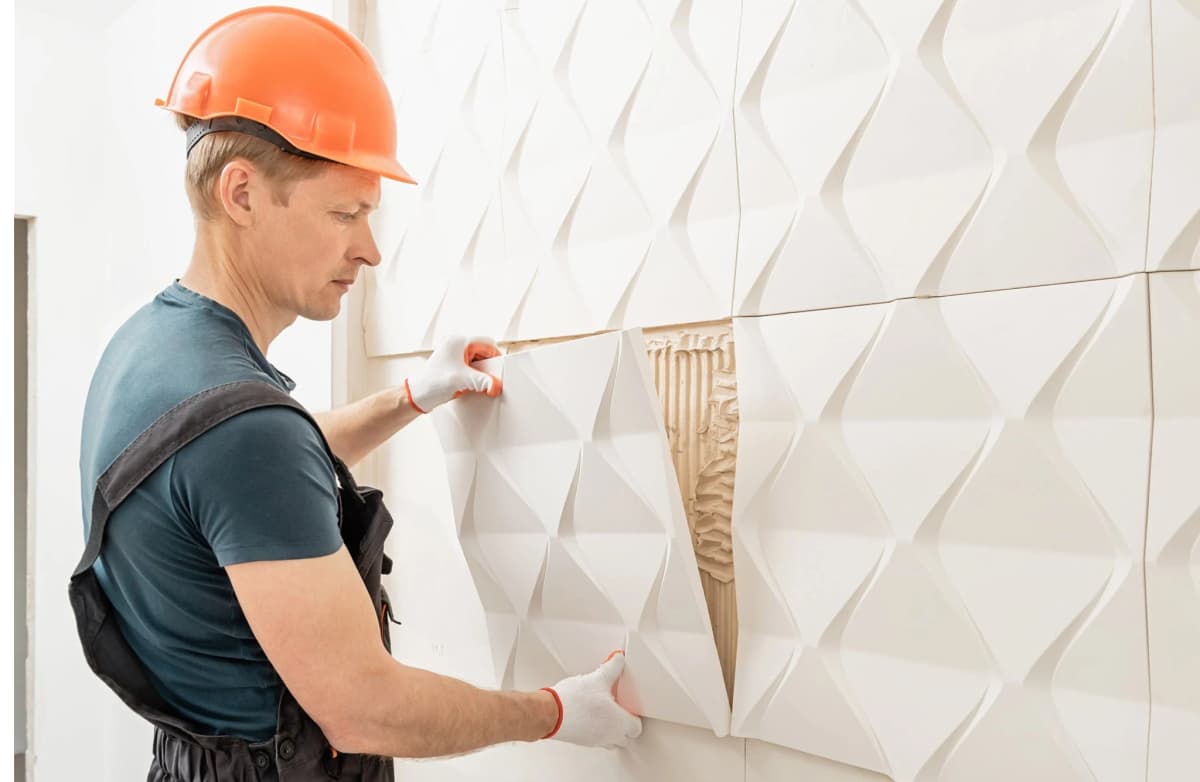
Get the adhesive wrong and PVC wall panels peel, warp, or drop off the wall within months. Get it right and they stay flat, tight, and seamless for years. The catch is that PVC is smooth and non-porous, so it doesn’t grip the way drywall or timber does, and a few common construction glues actually attack the plastic and distort it.
At The Panel Hub, we’ve manufactured and installed wall panels since 2012, so this guide is built on what actually holds in real rooms, not just what a label promises. Below you’ll find the best adhesives for PVC wall panels, when to use each one, what to avoid, and how to apply it for a bond that lasts.
Quick answer: For most PVC wall panels, a solvent-free grab adhesive (such as Loctite Power Grab or a panel-specific adhesive) is the safest strong choice. It grabs instantly, resists moisture, and won’t melt or warp the panel the way solvent-based cements can. For bathrooms, kitchens, and other wet areas, step up to a hybrid-polymer adhesive like Soudal Fix All. Avoid standard solvent-based glue on thin or gloss-finish PVC.
PVC wall panel adhesives compared
| Adhesive | Type | Grab | Wet-area rating | Solvent-free | Best for |
|---|---|---|---|---|---|
| Loctite Power Grab | Acrylic grab | Instant, high | Good | Yes | Most interior panels, fast installs |
| Soudal Fix All | Hybrid polymer | High | Excellent | Yes | Bathrooms, kitchens, wet walls |
| Gorilla Heavy Duty | Construction | Very high | Good | Check label | Heavy panels, high-traffic, in/outdoor |
| The Panel Hub Wood Panelling Adhesive | Panel-specific | High | Good | Yes | Engineered for SoundPanel & GroovePanel systems |
Always confirm “solvent-free” on the current packaging before buying, as manufacturers occasionally reformulate.
The best adhesives for PVC wall panels (by use case)
Best all-rounder: Loctite Power Grab
A solvent-free grab adhesive that gives an immediate, high-strength hold, so panels stay put the moment you press them on with little slipping or propping. It bonds well to clean, sound plaster, plasterboard, and masonry, which covers most interior installs. If you want one product that handles the majority of PVC panel jobs, start here.
Best for wet areas: Soudal Fix All
A hybrid-polymer adhesive (silicone plus polyurethane) built to stay flexible and waterproof, which makes it the safe pick for bathrooms, kitchens, and utility rooms where moisture and temperature swings would break down a weaker bond. It also grips smooth, non-porous surfaces like tile well, so it’s handy when you’re panelling over existing walls.
Best heavy-duty: Gorilla Heavy Duty Construction Adhesive
When panels are large, dense, or going into a high-traffic or semi-outdoor space, you want maximum bond strength and weather resistance. Gorilla’s heavy-duty construction adhesive delivers that across a wide range of surfaces and conditions. Check the label for PVC compatibility, as some construction adhesives in this class are solvent-based.
Best panel-specific: The Panel Hub Wood Panelling Adhesive
Our own Wood Panelling Adhesive is engineered for the density of our SoundPanel and GroovePanel systems and is our recommended choice for a permanent installation across our full range. Paired with a cartridge caulking gun, it lays down a clean, controllable bead with no guesswork about compatibility.
(You’ll also see Liquid Nails and 3M products recommended in DIY forums. They can work, but always check the specific product is rated for PVC and, ideally, solvent-free.)
The three types of PVC panel adhesive, explained
Solvent-based adhesives create a very strong bond by slightly melting the surface they touch, which makes them extremely durable in moisture-prone areas. The trade-off is real: on thin or gloss-finish PVC, that same action can soften, cloud, or distort the panel. Use them only where the panel manufacturer confirms compatibility.
Acrylic-based (grab) adhesives are versatile, quick-drying, and solvent-free, which makes them the everyday choice for lightweight-to-medium PVC panels on drywall and plaster in normal indoor conditions.
Hybrid-polymer adhesives combine the flexibility of silicone with the strength of polyurethane. They stay put through temperature and humidity changes, bond to tricky surfaces like tile and concrete, and handle both light and heavier panels, which is why they’re the go-to for wet or demanding spaces.
What to avoid
Do not reach for standard solvent-based cement or “all-purpose” super-glue-type products on thin or high-gloss PVC. The solvents can eat into the surface and leave you with warping, hazing, or bubbling that only shows up days later. When in doubt, choose a product clearly marked solvent-free or one specifically sold for PVC panel installation, and test it on an offcut first.
How to choose: the three factors that matter
Surface type. Porous, slightly textured walls like plaster and plasterboard grip easily, so a standard grab adhesive is fine. Rough, absorbent surfaces (bare concrete, brick) need a more robust construction-grade or hybrid adhesive. Smooth, non-porous surfaces (tile, painted gloss) need a chemical-grip adhesive like a hybrid polymer to hold reliably.
Panel weight. Lightweight panels bond fine with a quick-drying acrylic grab. Heavier panels, or anything in a high-traffic area, need a stronger, long-lasting adhesive so they don’t creep or lift over time.
Environment. Bathrooms, kitchens, and outdoor-adjacent spaces demand a waterproof, flexible adhesive. Hot spots (near stoves, in garages) need heat resistance. Match the adhesive’s stated moisture and temperature tolerance to the room.
Matching adhesive to your panel material
Not all wall panels bond the same way, so match the adhesive to what your panel is made of:
- PVC panels: use a solvent-free grab adhesive. Solvent-based products can soften or distort thin and glossy PVC.
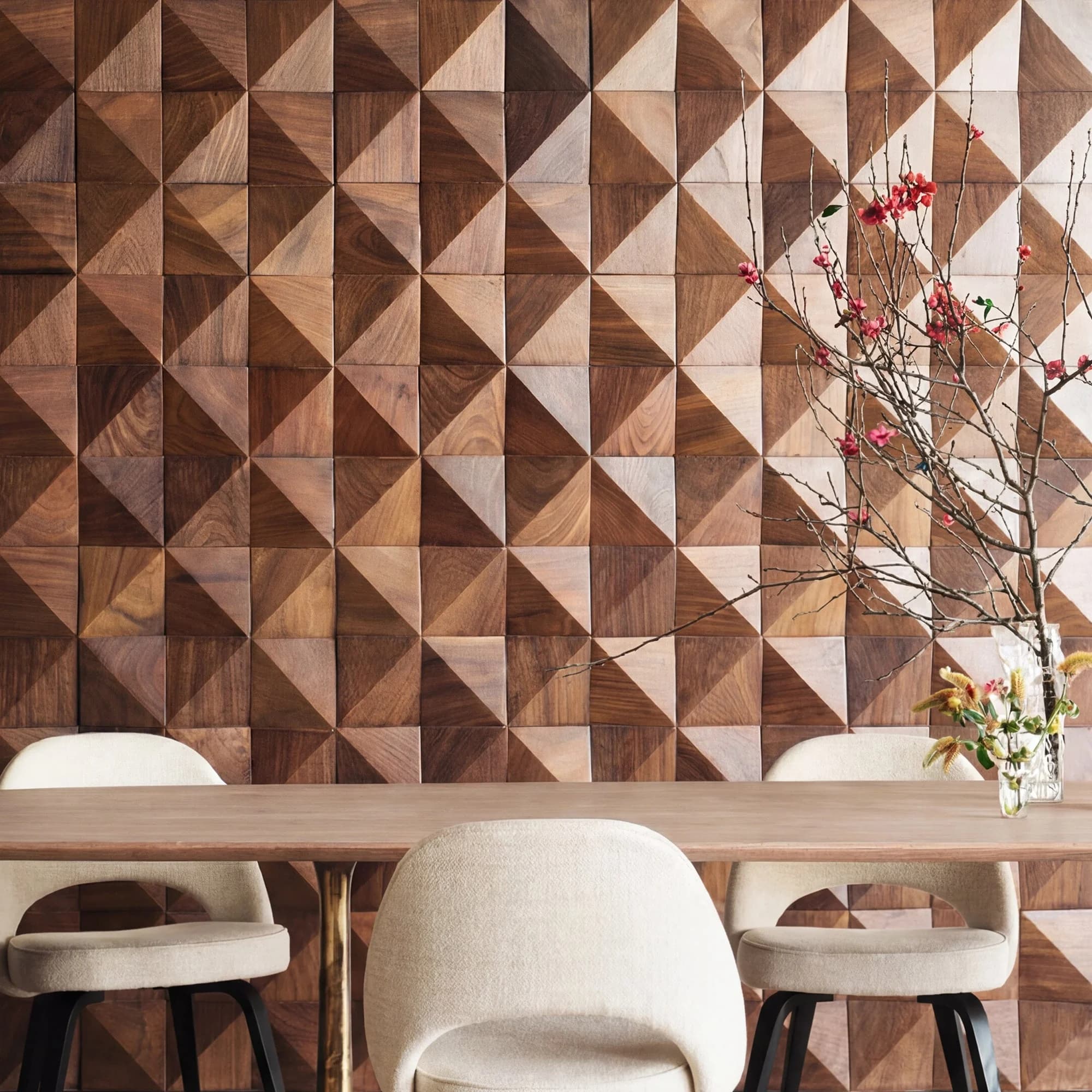
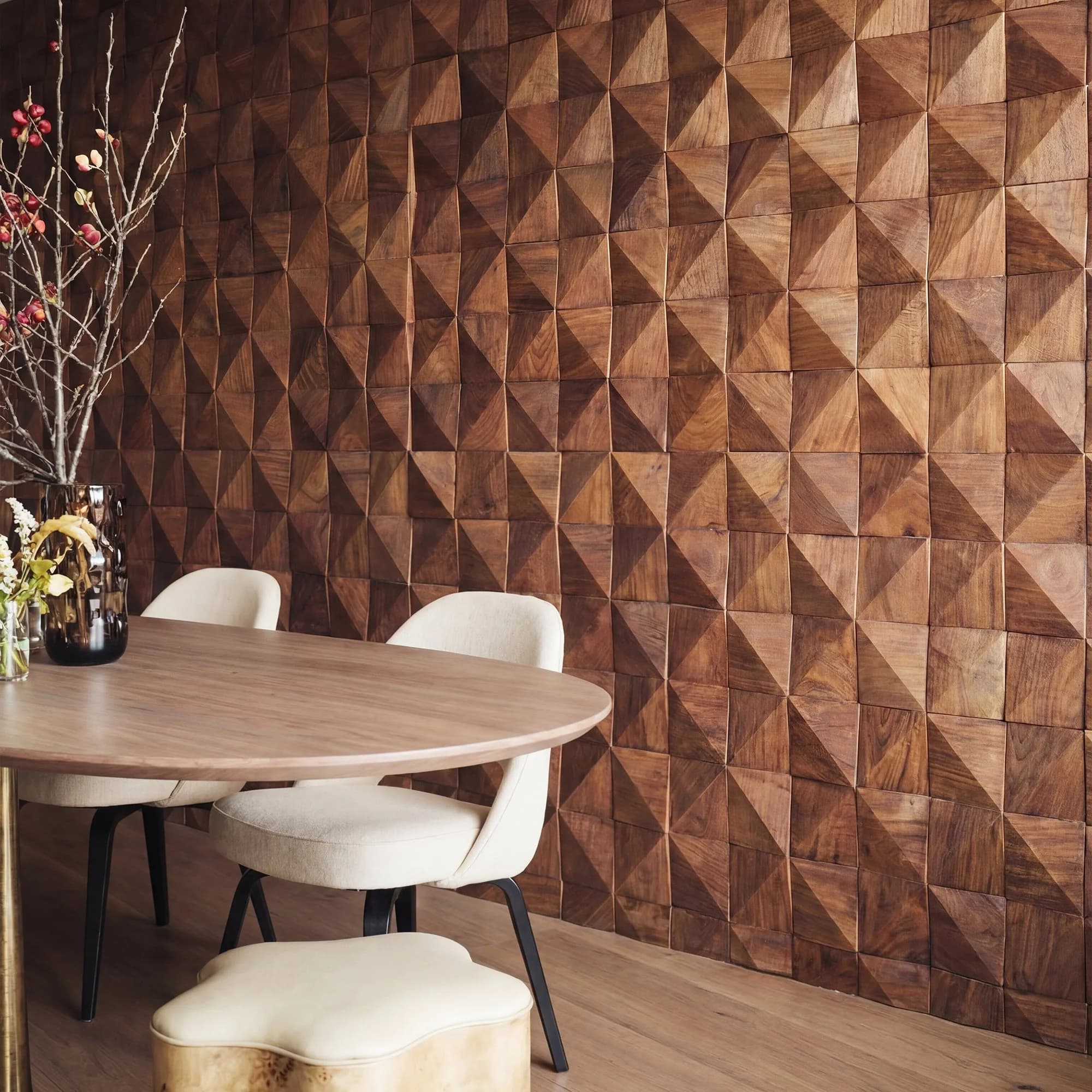
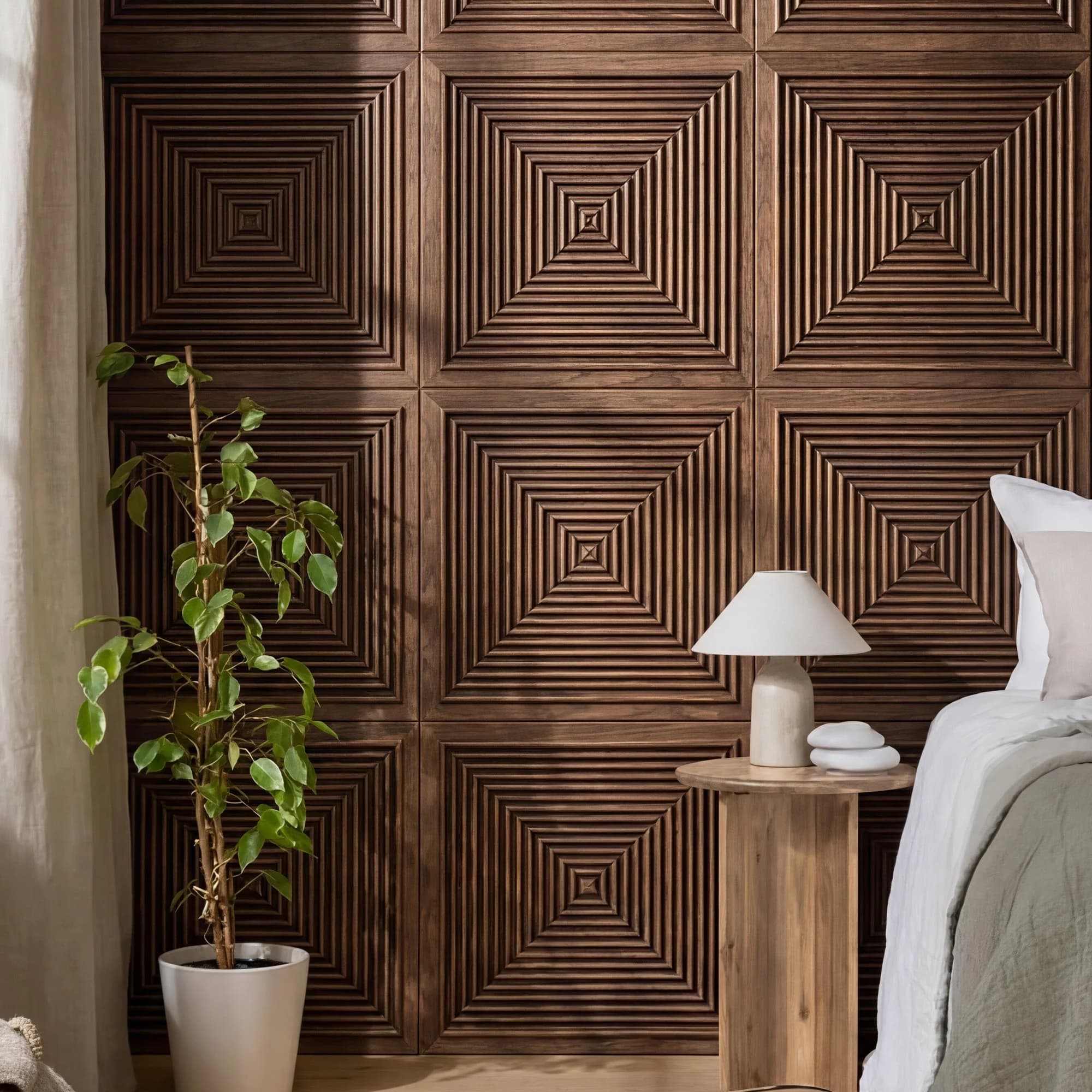
- Solid wood and MDF panels: these are heavier, so use a high-grab construction or hybrid adhesive. Our own Wood Panelling Adhesive is engineered for the density of solid-wood GroovePanel® and MDF-backed SoundPanel™ systems.
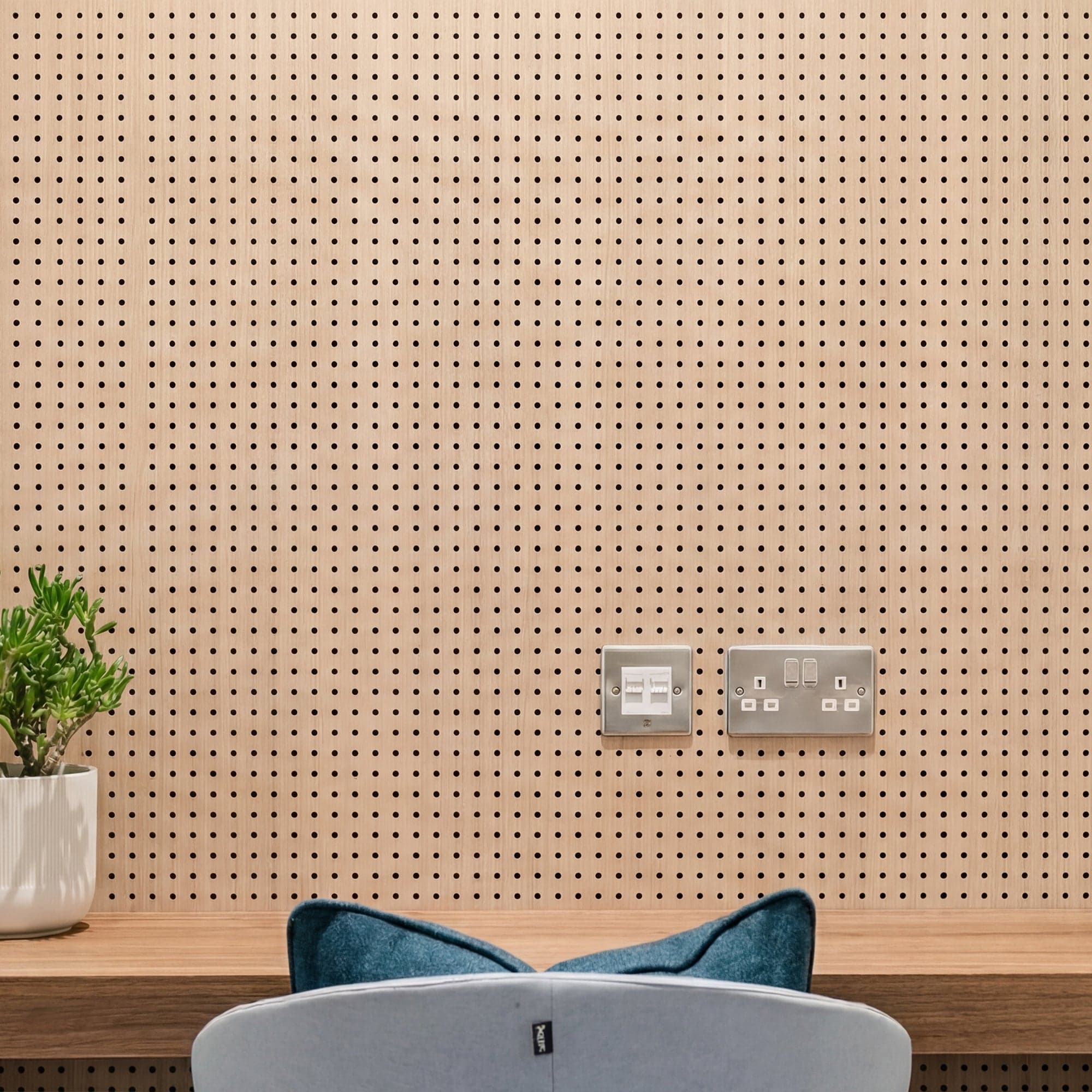
- Acoustic slat panels: apply adhesive to the solid backing rail, press the felt-backed panel firmly, and support it until the initial grab sets.
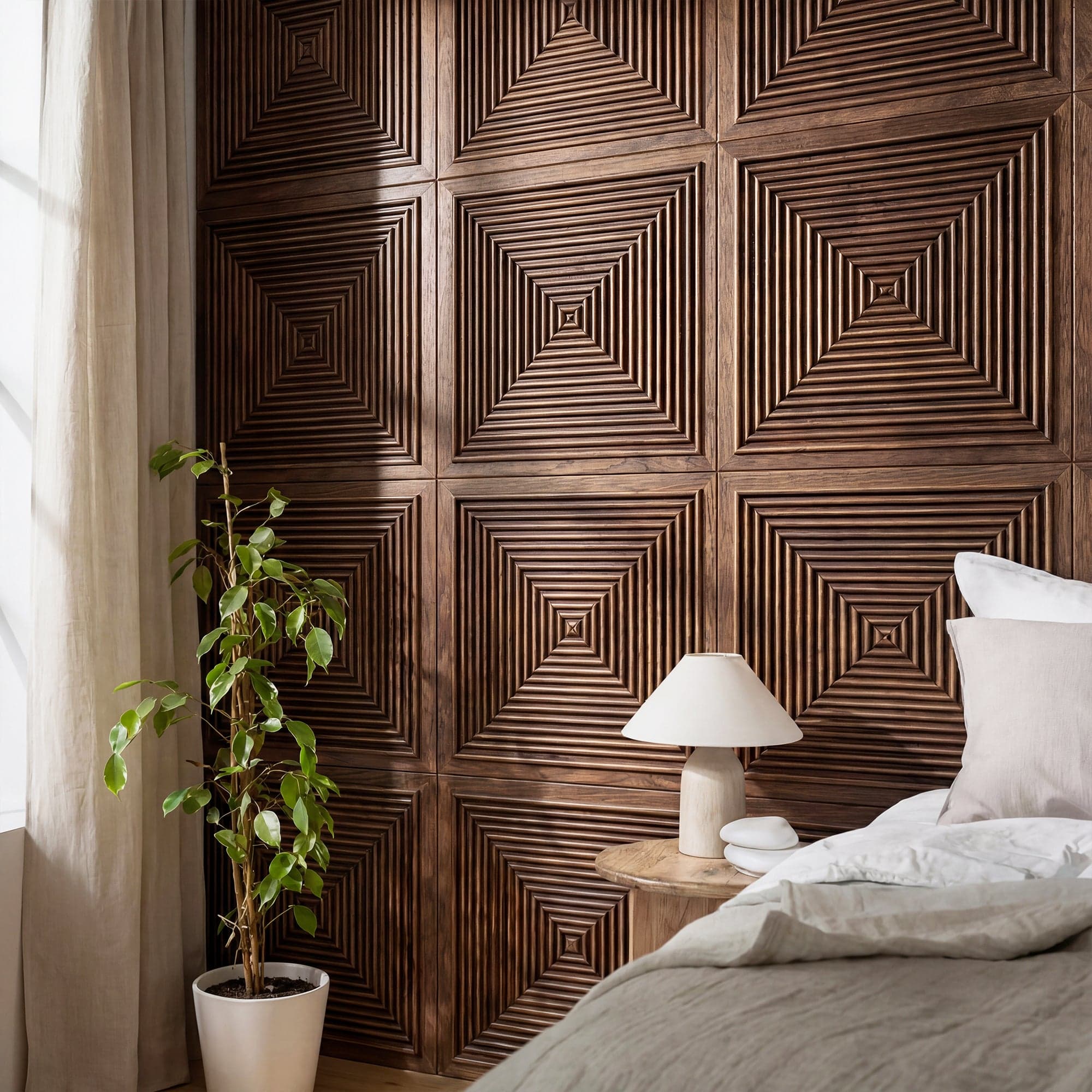
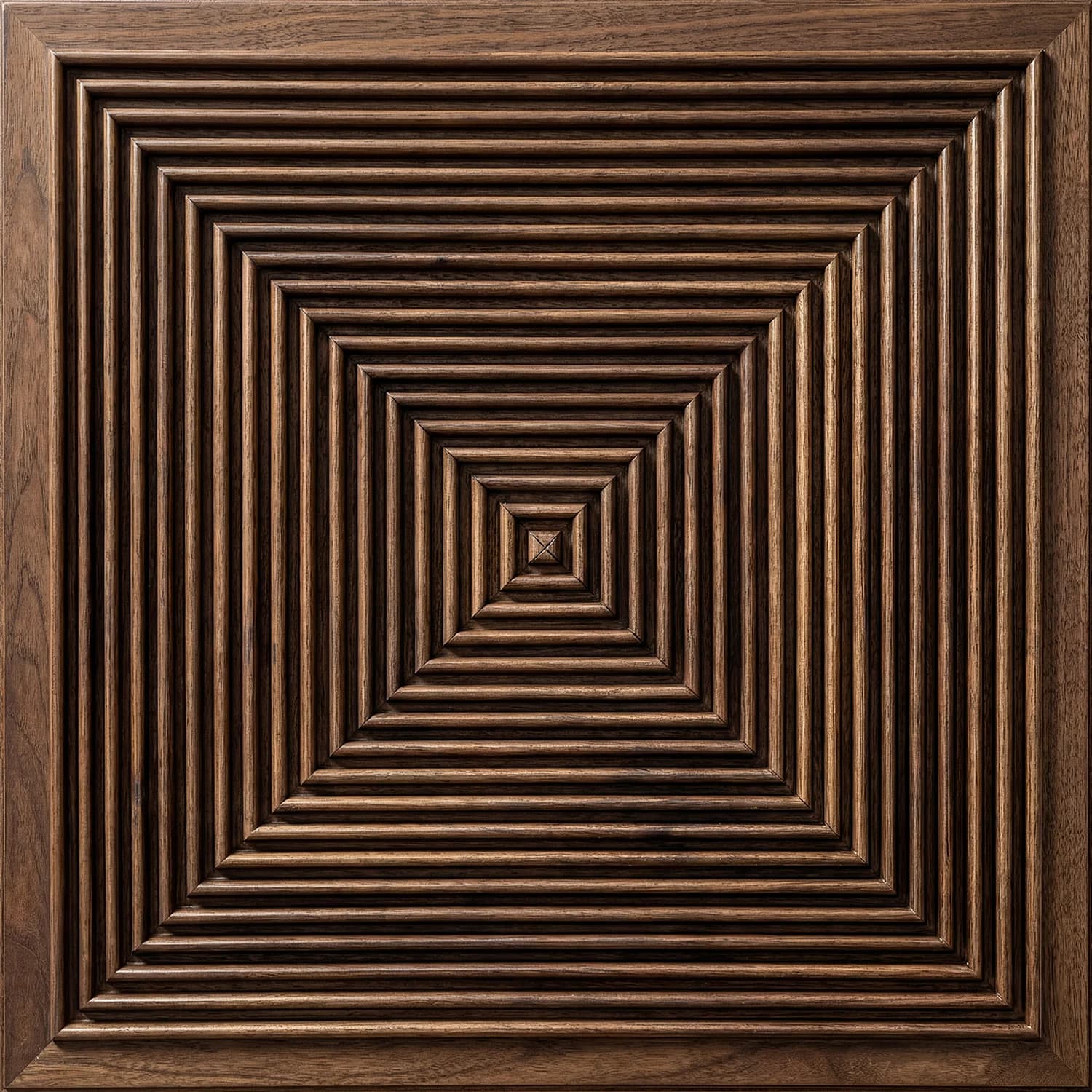
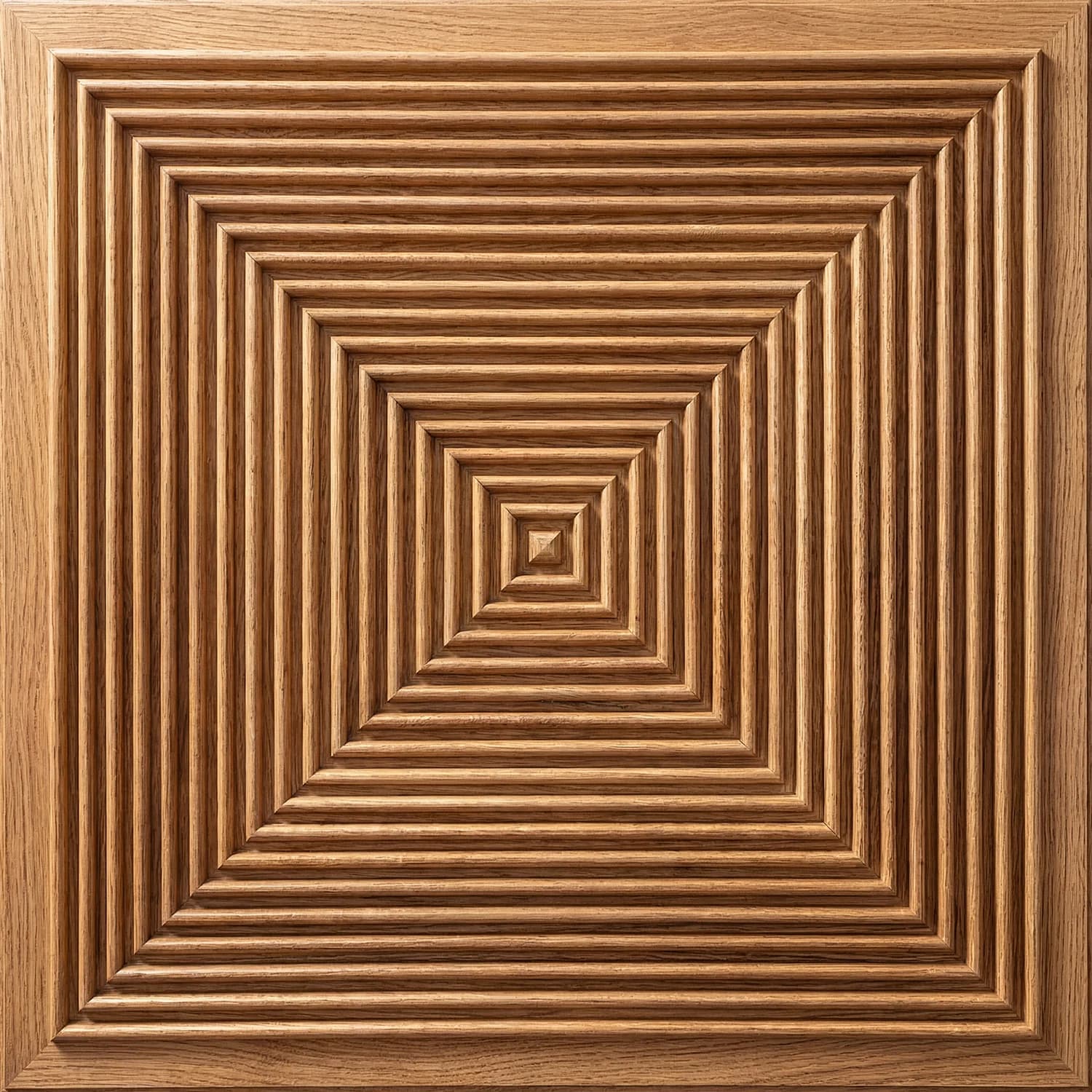
- 3D and decorative solid-wood panels: heavier relief panels need a strong grab plus temporary support (props or low-tack tape) while the adhesive cures.
Ready to start your project? Shop our wall panels


How to apply adhesive to PVC wall panels
- Prep the surface. It must be clean, dry, and sound. Remove dust, grease, and any flaking paint or plaster, because the adhesive can only be as strong as the layer it sticks to.
- Apply an even bead. Run adhesive in a zigzag pattern across the full back of the panel, with lines roughly 200–250mm apart, and add extra dabs near the edges and corners (the spots most likely to lift).
- Press firmly. Set the panel in place and press across the whole surface so the adhesive spreads evenly and makes full contact.
- Support while it grabs. Use props or low-tack tape on larger panels until the initial grab takes hold.
- Allow proper cure time. Follow the product’s stated cure window before loading or disturbing the panels.
PVC wall panel adhesive FAQs
Can I use standard grab adhesive for PVC wall panels?
Many grab adhesives are compatible with PVC, but you should always verify before use. Some contain solvents that can soften or distort PVC, which is especially risky on thin-profile panels and on glossy or polished faces. Solvent-free grab adhesives (clearly marked on the packaging) are the safer choice, or use an adhesive specifically marketed for PVC panel installation.
How much adhesive should I use per panel?
For a standard 2400 x 600mm PVC panel, apply adhesive in a zigzag pattern across the full panel back, with lines about 200–250mm apart, plus extra dabs at edges and corners. A standard 310ml tube of grab adhesive covers roughly 3–4 panels of this size.
Do PVC panels need mechanical fixings too, or is adhesive enough?
For most interior walls that are clean, dry, and sound, a quality panel adhesive alone gives a permanent hold. Mechanical fixings (screws or pins into battens) are worth adding on uneven walls, very heavy panels, or ceilings, where you want extra security while the adhesive cures.
Does PVC panel adhesive work on all wall surfaces?
Most grab adhesives perform well on clean, dry, sound plaster, plasterboard, concrete, and masonry. Problem surfaces include dusty or flaking plaster, old multi-layer paint that isn’t firmly bonded, and anything previously treated with wax or oil. Always test adhesion on a small area first.
How long does PVC panel adhesive take to cure fully?
Most grab adhesives reach handling strength within 30–60 minutes. Full cure, at maximum bond strength, typically takes 24–72 hours depending on the product, temperature, and humidity. Below 10°C, curing slows significantly and some adhesives shouldn’t be used at all, so check the manufacturer’s minimum temperature.
The bottom line
The best adhesive for PVC wall panels comes down to three things: the surface, the panel weight, and the room. A solvent-free grab adhesive handles most interior installs, a hybrid polymer is your friend in wet areas, and heavy or demanding spots call for a heavy-duty construction adhesive. Whatever you choose, keep it solvent-free (or PVC-rated) and prep the wall properly.
If you’re fitting our panels, The Panel Hub Wood Panelling Adhesive takes the compatibility guesswork out entirely. And if you’re still choosing panels, explore our wood wall panels, acoustic SoundPanel range, and GroovePanel mosaics.