
Table of Contents
What Is a Wood Panel Wall?
A wood panel wall is a wall surface covered in timber-based panels, either solid wood, engineered wood, or wood veneer over MDF. Unlike painted drywall, wood panel walls add texture, warmth, and depth to any interior space — and in the case of acoustic wood panels, they also reduce echo and improve sound comfort.
Wood panel walls have been used in architecture for centuries, from traditional wainscoting in Georgian homes to modern acoustic slat walls in contemporary apartments. Today’s options are more accessible, more varied, and easier to install than ever before.
Types of Wood Panel Walls
Acoustic Slat Panels
The most popular style in modern interiors. Acoustic slat panels feature vertical strips of real wood veneer mounted on a felt backing (like AcuFelt™), which absorbs sound. NRC ratings of 0.65–0.85 make them genuinely effective at reducing echo — not just decorative. Ideal for living rooms, bedrooms, home offices, and home theatres.
Solid Wood Tiles
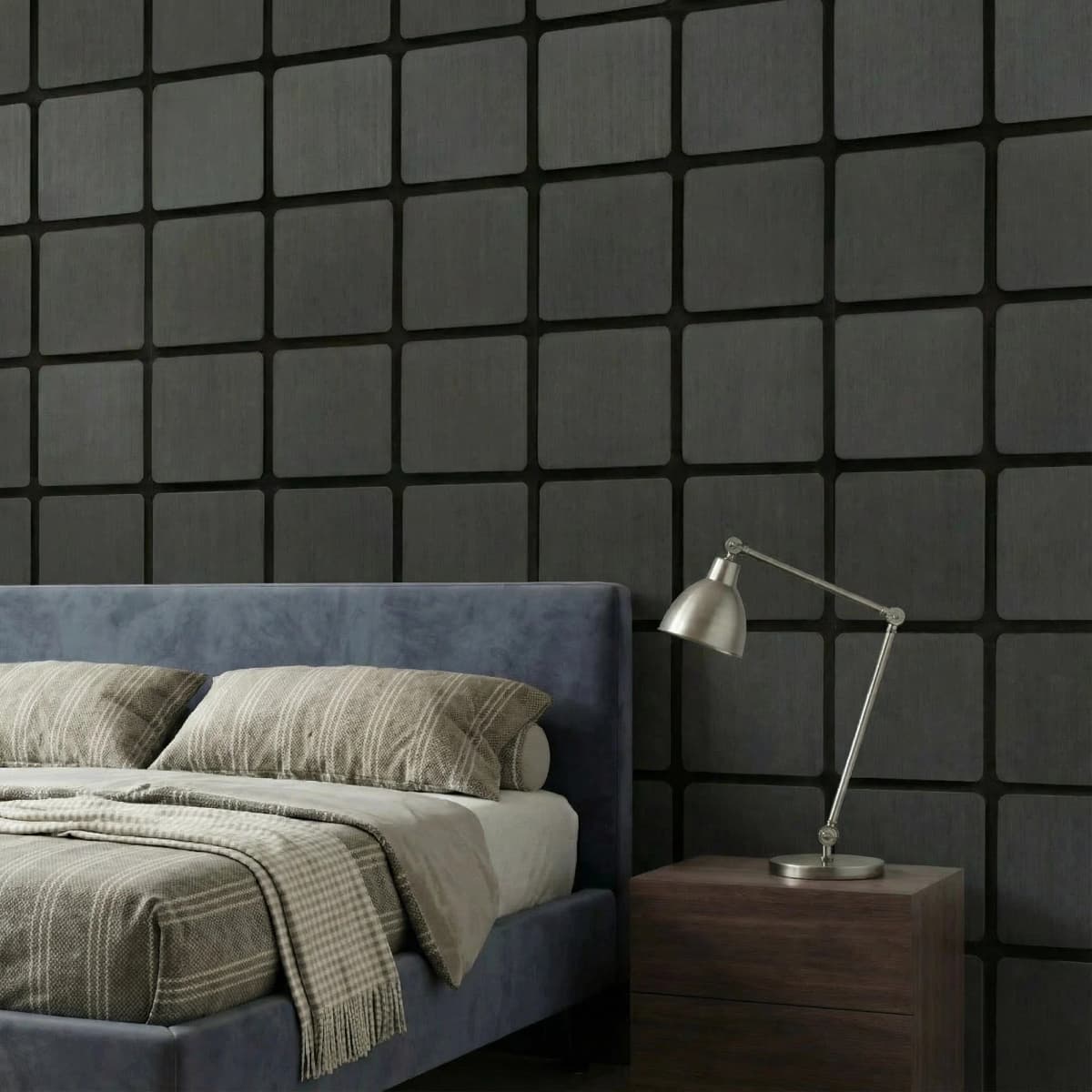
Panels made from real solid wood pieces arranged in geometric patterns — mosaic, herringbone, concentric squares. These are purely decorative but offer unmatched authenticity in grain and texture. More expensive than veneer options, but premium in look and feel.
Wood Veneer Panels
Real wood veneer (typically 0.6–2mm thick) bonded to an engineered MDF core. The best of both worlds: genuine wood appearance and grain at a fraction of solid wood cost. Most quality wall panels on the market today use veneer construction.
Shiplap and Tongue-and-Groove
Traditional horizontal plank systems. Shiplap features planks with a small reveal gap; tongue-and-groove locks planks flush together. Both suit farmhouse, coastal, and transitional interiors.
Fluted and Reeded Panels
Panels with vertical grooves (fluted) or rounded ridges (reeded) that create a sculptural, architectural effect. Both are extremely popular in 2025–2026 interiors.
Best Woods for Wall Panels
- Walnut — rich chocolate tones, premium feel, suits modern and Japandi interiors
- Oak — light, versatile grain; the most universally used wood for wall panels
- Ash — pale and consistent grain; good for Scandinavian aesthetics
- Pine — affordable, knotty character; suits rustic and farmhouse styles
- Bamboo — sustainable, fine grain; increasingly popular in eco-conscious interiors
Wood Panel Wall Installation Overview
Most modern wood wall panel systems are designed for DIY installation:
- Prepare the wall — clean, level, and dry. Remove any loose paint or wallpaper.
- Measure and plan layout — start from a central point or corner depending on panel type.
- Apply adhesive — use a construction adhesive compatible with MDF/wood panels.
- Press panels into place — use a spirit level to keep each panel straight.
- Trim to size — cut with a fine-tooth saw at corners and edges.
- Finish edges — use matching trim strips or caulk for a clean result.
Quality panel systems like those from The Panel Hub are designed to install in under two hours per wall, with no professional help required.
How Much Does a Wood Panel Wall Cost?
Costs vary widely:
- Budget laminate panels: $20–$50 per panel
- Mid-range veneer panels: $80–$150 per panel
- Premium acoustic wood panels: $109–$259 per panel
Factory-direct brands can save you up to 75% compared to retail pricing, making real wood panels accessible without the premium markup.
Are Wood Panel Walls Worth It?
Yes — for most spaces. Beyond the visual upgrade, acoustic wood panels genuinely improve the way a room feels by reducing echo. They’re more durable than paint, more practical than wallpaper, and — with the right system — no harder to install. For anyone looking to elevate a bedroom, living room, or office, a wood panel wall is one of the highest-impact upgrades available.
Choosing Between Panel Styles: A Practical Decision Framework
With so many panel types available, the choice can feel overwhelming. These four questions narrow it down quickly.
1. What is the primary purpose — aesthetic or acoustic? If acoustic performance matters (home office, living room with hard floors, home theater), slat panels with acoustic felt backing are the practical choice. If the goal is purely visual, any panel type works and the choice is purely aesthetic.
2. What scale is the room? Large rooms with high ceilings handle bold, three-dimensional panels well. 3D geometric panels, deep-profile fluted panels, and wide-plank systems look proportionate in generous spaces. In smaller rooms, finer profiles — narrow slats, shallow grooves, subtle relief — prevent the wall treatment from overwhelming the space.
3. What is the budget per m²? Budget systems (£40–£80/m²) typically use printed wood-effect veneer or thin engineered surfaces. Mid-range (£80–£150/m²) gives you real wood veneer over engineered core. Premium systems (£150+/m²) offer solid wood, thick real veneer, or specialist treated finishes. The mid-range covers the vast majority of quality residential applications.
4. How will it be installed? If you plan to DIY, adhesive-mount systems on standard plasterboard walls are the most practical. If the wall is uneven or the installation complex, factor in professional preparation costs before committing to the panel budget.
Wood Panel Wall FAQs
What is the most popular wood wall panel style right now?
Acoustic slat panels — thin wood strips over a felt backing — are currently the most popular residential panel style in the UK and Europe. They combine a clean, contemporary aesthetic with genuine acoustic performance, and they work across a very wide range of interior styles from Japandi to maximalist.
How thick are typical wood wall panels?
Standard slat panels are 21–25 mm thick. MDF and engineered panel systems run 9–18 mm. Three-dimensional geometric panels can be 30–50 mm at their deepest relief point. The thicker the panel, the more depth it adds to the wall — which can be a design advantage or a practical consideration in tight spaces near door frames or light switches.
Do wood wall panels add value to a home?
Quality wood panel installations in key rooms (living room, bedroom, entrance hall) consistently add perceived value and are noted positively in property listings and valuations. Painted or poorly installed panels do not add value and can make a property harder to sell. The investment returns most reliably on real wood or high-quality engineered panels installed professionally or to a high DIY standard.
How do I decide how much wall to panel?
Start with one feature wall — the wall your eye is drawn to first when entering the room. A single feature wall almost always looks more intentional and designed than multiple paneled walls, and costs significantly less. Expand to additional walls only once you have seen how the first wall looks in the room.
Browse the Full Collection
Everything covered in this guide is available to explore and order at The Panel Hub. Browse the complete wood wall panel collection — including the SoundPanel™ acoustic slat range and GroovePanel® mosaic tiles. For room-by-room inspiration, our interior slat wall ideas guide covers 50+ applications across every style, and the acoustic panel buyer’s guide is the right next step if sound performance is part of your brief.