
Table of Contents
The Basement Challenge
Basements are the hardest room in the house to panel well. The combination of below-grade moisture risk, cold concrete or masonry walls, and often uneven surfaces creates conditions that will destroy the wrong panel choice and compromise even good panels if the installation isn’t done carefully.
But done right, wood panels transform a basement from a utilitarian storage space or unfinished room into a genuinely liveable, warm, and architecturally resolved space. The key is solving the moisture and substrate problems before you think about aesthetics.
Step One: Assess for Moisture
Before ordering a single panel, spend time understanding your basement’s moisture behaviour. The most common failure mode in basement paneling is installing on a wall that has intermittent moisture intrusion — which isn’t visible during a dry period but causes panels to swell and delaminate within months.
The tape test: tape a 30cm square of plastic sheeting directly to the bare basement wall, sealing all four edges with tape. Leave for 48–72 hours. Check both sides:
- Moisture on the room-facing side: Condensation from the room air — manageable with ventilation and vapour barriers.
- Moisture on the wall-facing side: Water moving through the wall from outside. This needs to be addressed structurally before any wall treatment goes on.
Do not panel a basement wall with active moisture intrusion. Remediate first — tanking, drainage, waterproof render — then panel once the wall is confirmed dry over a full wet-weather cycle.
Panel Types Suitable for Basements
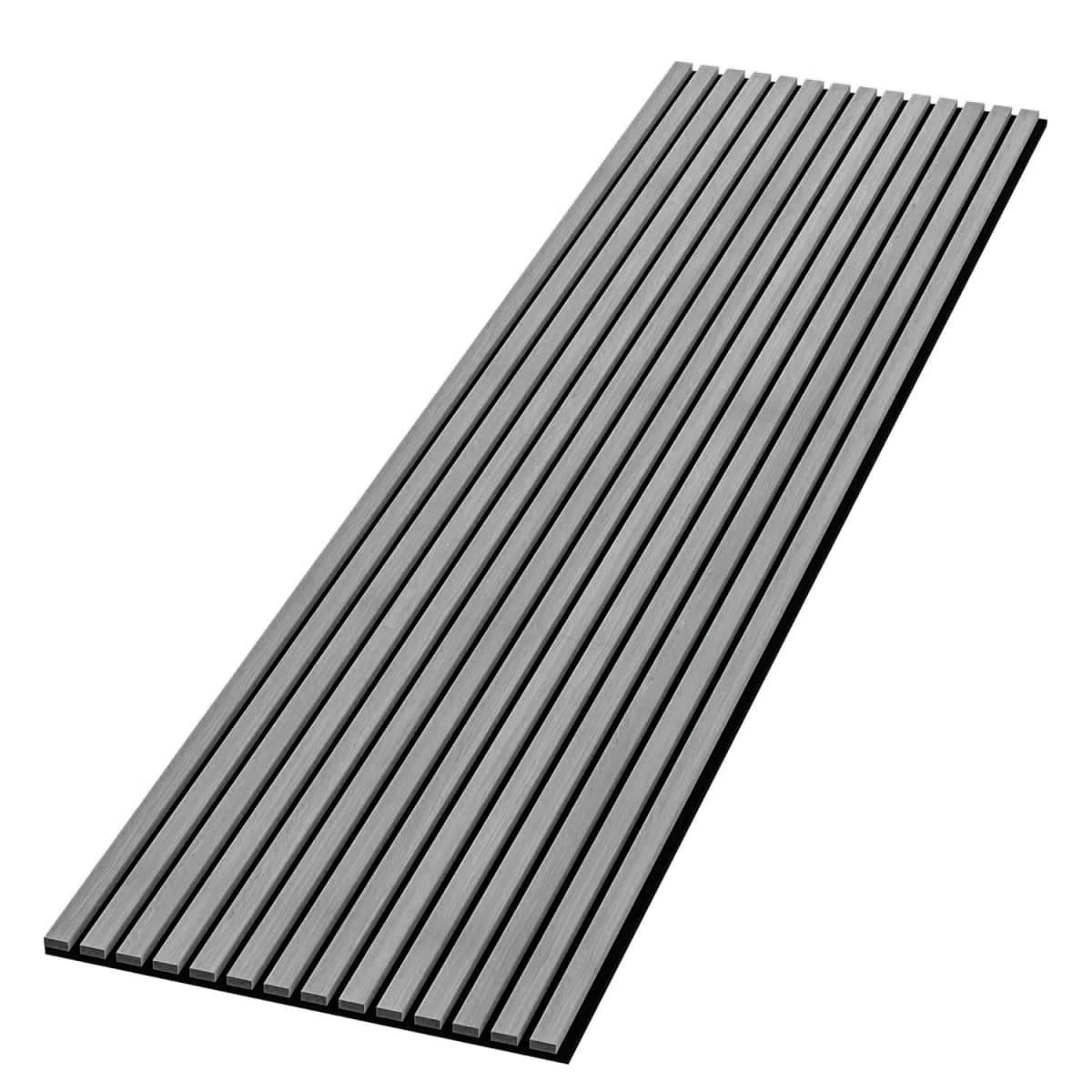
- WPC (Wood Plastic Composite) panels: The safest choice for basements with any residual moisture risk. Fully waterproof core, wood-look surface. Less premium visual quality than real veneer but completely appropriate for the environmental conditions.
- MR-MDF core with sealed veneer: Suitable for dry basements with good ventilation. Significantly better moisture resistance than standard MDF. All cut edges must be sealed.
- PVC panels: Practical and highly moisture-resistant. Often used for utility areas and workshops within basements rather than finished living spaces.
- Real wood planks (pine, cedar): Solid wood handles humidity better than MDF because it can absorb and release moisture without structural failure — but it will move seasonally. Allow for expansion gaps and avoid if moisture levels are significant.
Dealing With Uneven Concrete Walls
Poured concrete and masonry walls are rarely flat enough for direct panel adhesion. Options:
- Batten framework: Fix a grid of timber battens to the concrete wall using masonry anchors, level them, then fix panels to the battens. The void between batten and wall also allows airflow, which reduces condensation risk significantly. Recommended for most basement installations.
- Skim coat and prime: For concrete walls that are structurally sound but surface-uneven, a skim coat of appropriate filler brings the surface flat enough for direct adhesion. More labour-intensive but eliminates the depth added by a batten system.
For specific advice on working with uneven walls, we’ve covered this in detail in our guide on installing wall panels on difficult surfaces.
Design Approaches for Basement Spaces
Home Cinema Basement
Basements are naturally good cinema rooms — below-grade construction provides inherent sound isolation from the rest of the house. Add acoustic wood slat panels on three walls and you have both the acoustic treatment and the visual character of a dedicated theatre space. Our home theater acoustic panel guide covers placement strategy in detail.
Home Office Basement
A panelled wood wall behind the desk transforms a bare basement into a professional workspace. In WPC or sealed MR-MDF, a slat panel or fluted panel feature wall creates the warmth and texture that makes a below-grade space feel designed rather than utilitarian.
Games Room or Bar Area
Wood panels — particularly darker species like walnut — create a warm, immersive character well-suited to social basement spaces. Combine with recessed lighting to compensate for the lack of natural light typical in below-grade rooms.
The Most Important Rule
Sort the moisture before you think about aesthetics. A $1,000 panel installation on a damp wall is a $1,000 loss within 18 months. A properly waterproofed basement wall with a $400 WPC panel system will look good for 20 years. Moisture remediation isn’t glamorous — but it’s the most important investment in any basement renovation.
Shop Panels for Basement Spaces
Browse the full wood wall panel collection at The Panel Hub for panels suited to basement environments — including moisture-resistant options for below-grade applications. The SoundPanel™ acoustic slat range is a popular choice for basement cinema rooms, home offices, and social spaces where acoustic treatment adds functional value alongside the visual upgrade. For basement-specific design inspiration, our interior slat wall ideas guide covers media room and utility space applications. The acoustic panel buyer’s guide explains acoustic performance specifications in detail.