
Table of Contents
Can You Paint Wall Panels?
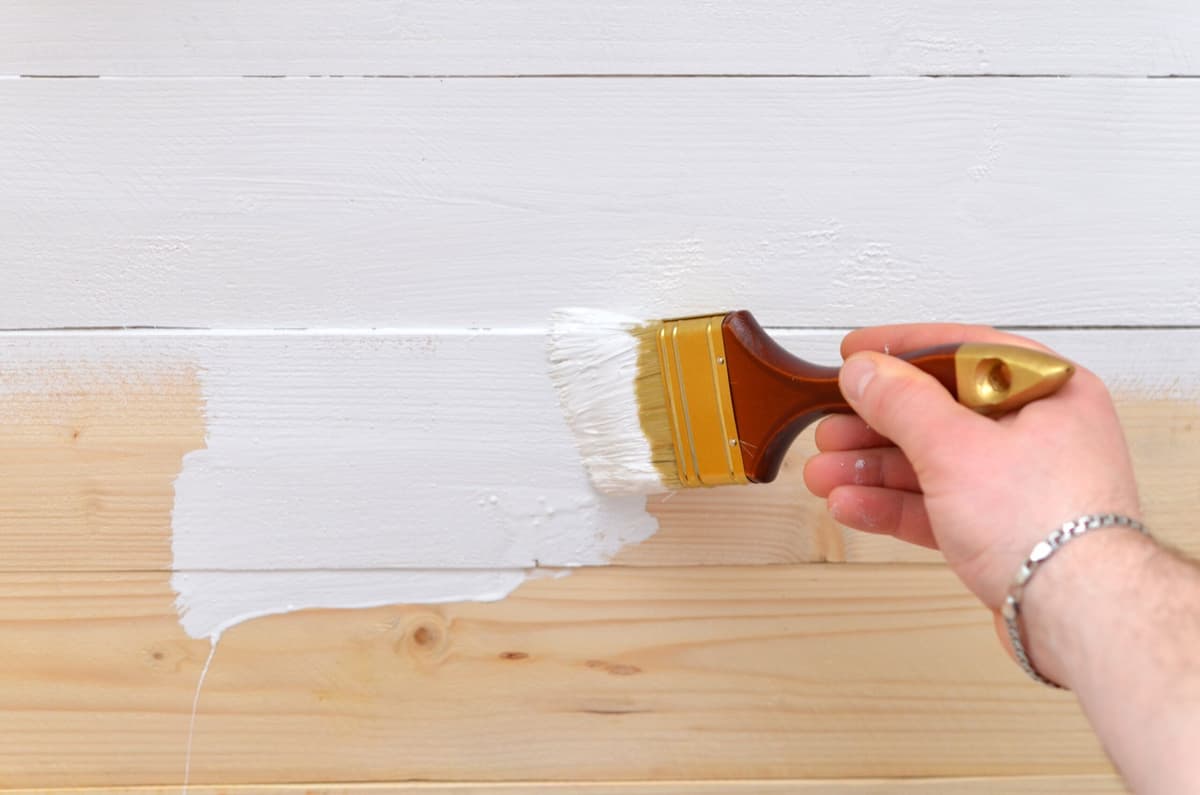
Yes — most wood wall panel types can be painted, and painted panels can look outstanding. The challenge is that wood-based substrates (particularly MDF) behave very differently from plaster or drywall when painted. Get the preparation right and you’ll achieve a clean, durable, professional finish. Skip the preparation steps and you’ll end up with uneven sheen, peeling paint, and raised grain — all of which are harder to fix after the fact than to prevent in the first place.
Which Panel Types Can Be Painted
MDF Panels (Best for Painting)
MDF is the most paintable panel substrate — smooth, stable, and consistent. It takes paint evenly without grain show-through, and the result is as smooth and professional as painted plaster. The specific preparation requirements (primer type, edge sealing) are the critical difference from plaster.
Real Wood Veneer Panels
Yes, but with more preparation. The veneer surface can show grain through thin paint — a grain filler coat is often required for a smooth result. Also consider whether painting over premium real wood veneer makes sense given the investment in the material. If you want a painted result, purpose-made paintable MDF panel systems are often a more cost-effective starting point than painting natural veneer.
Existing Stained or Lacquered Panels
Panels with an existing stain can be painted over — but the existing finish must be properly abraded (sanded back to provide adhesion) and primed with an adhesion primer before topcoating. Panels with a thick, high-gloss lacquer finish require more significant preparation — mechanical sanding down to the substrate or application of a specialist de-glosser before painting.
Step-by-Step: How to Paint Wall Panels
Step 1: Clean the Panel Surface
Wipe down all panels with a damp cloth to remove dust, grease, and any residue. Allow to dry fully. Any contamination on the surface will prevent paint adhesion.
Step 2: Sand
Lightly sand the panel surface with 120-grit sandpaper to provide a key (a slightly roughened surface for the primer to grip). For panels with an existing finish, more aggressive sanding (80-grit) may be required to break through the existing coat.
Step 3: Seal MDF Edges (Critical)
MDF panel edges are highly porous — they absorb primer and paint at a different rate from the face, producing a visible sheen and colour difference in the final result. Seal all edges with a coat of diluted PVA (3 parts PVA: 1 part water), allow to dry, then apply your primer. Two coats of primer on edges may be needed.
Step 4: Apply MDF-Specific Primer
Standard wall primers are too thin and are absorbed unevenly by MDF’s surface. Use a dedicated MDF primer — typically oil-based or a specialist water-based MDF sealer. Apply one full coat, allow to dry, then lightly sand with 180-grit before proceeding.
Step 5: Apply Topcoat
Apply two coats of your chosen paint, sanding lightly with 220-grit paper between coats. Two thin coats produce a better result than one thick coat. Allow full drying time between coats — don’t rush this step.
Paint Selection
- Eggshell: The standard choice for painted panel walls — low sheen, wipeable, durable
- Satinwood: Slightly higher sheen, more durable, traditional for woodwork
- Avoid matt emulsion: Not designed for surfaces that receive contact and cleaning — marks easily and cannot be cleaned without sheen damage
For the full context of installation — how painting fits into the overall panel installation sequence — our step-by-step panel installation guide covers the complete process. And for maintenance of painted panels once installed, our wood panel cleaning guide covers the specific care that keeps painted surfaces looking good long-term.
Browse Paintable Wall Panels
Explore the full wood wall panel collection at The Panel Hub — including smooth-face MDF panel systems designed to be painted. The SoundPanel™ acoustic slat range is also available to browse if you’d prefer a natural wood finish over paint. For design inspiration once you’ve settled on your finish, our interior slat wall ideas guide covers 50+ real-room applications, and the acoustic panel buyer’s guide explains which panel types combine acoustic performance with a paintable surface.