

Have you ever wondered whether cladding or siding is the best choice for your home’s exterior? Both are popular options, but they serve slightly different purposes and offer distinct benefits. In this article, we’ll break down the differences between cladding and siding, helping you make the most informed decision for your property. Let’s get the answer out of the cladding vs siding debate.
Table of Contents
What is Cladding?
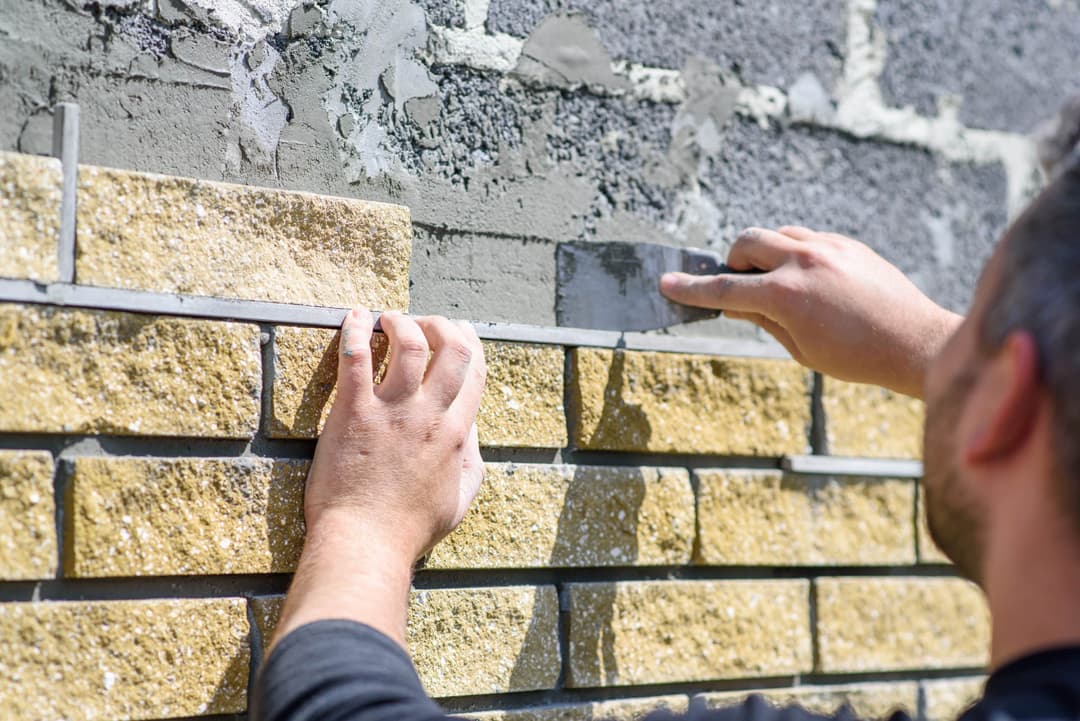
Cladding is an external layer added to a building’s façade, typically for insulation, protection, and aesthetic appeal. It serves as a protective barrier, guarding against weather and environmental damage while enhancing the overall look of the structure. Common materials for cladding include wood, metal, brick, and stone. This versatile solution can also provide extra insulation, contributing to the building’s energy efficiency.
What is Siding?

Siding, like cladding, is applied to the exterior of a building, but its primary focus is on protection and visual design. Siding panels are often installed to defend a home from the elements, such as rain, wind, and snow. Traditional siding materials include vinyl, wood, aluminum, and fiber cement. Siding is usually more straightforward to install and is known for its low maintenance requirements.
Cladding vs Siding: Key Differences
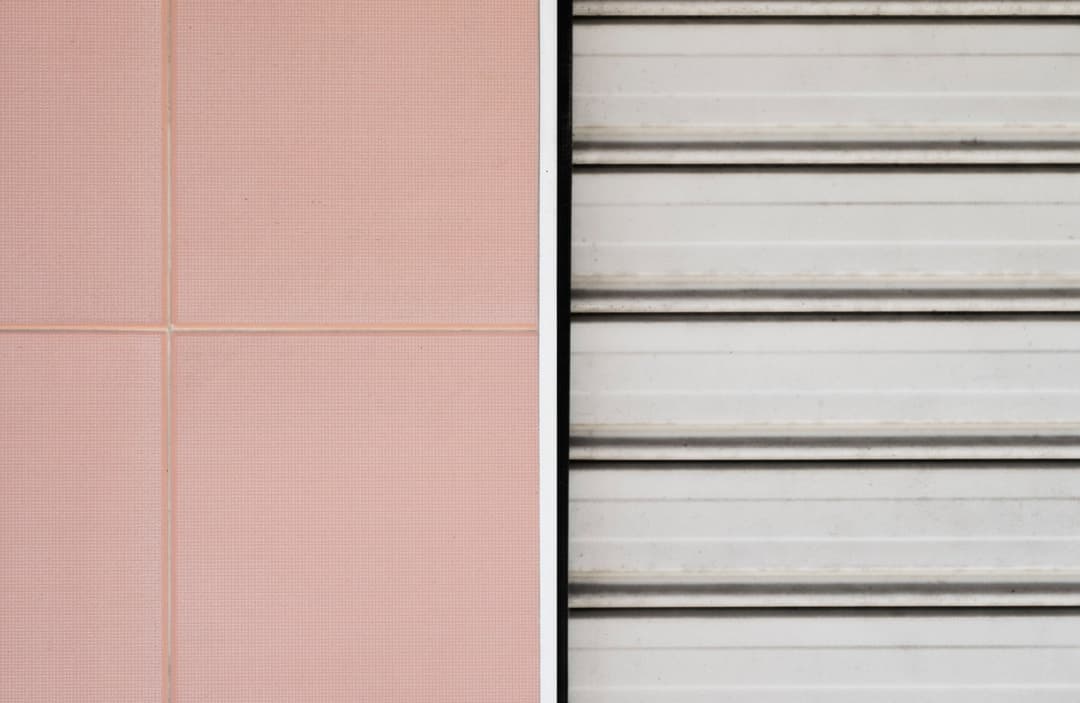
Although cladding and siding are similar in function, the distinction often comes down to material choice, insulation properties, and design intent. Cladding tends to offer more insulation and can be thicker, making it a great option for energy efficiency. Siding, on the other hand, is typically thinner and installed for weatherproofing and decoration. Here’s a deeper look at how the two differ:
Material Choices
Cladding tends to offer a broader range of materials, including natural stone, wood or WPC, and metal, which can give a building a more unique and high-end appearance. These materials add texture and depth to a facade, making cladding a popular choice for aesthetic-focused projects. On the other hand, siding often relies on lighter, manufactured materials like vinyl, aluminum, or fiber cement. While these options are less costly and easier to install, they may lack the luxurious feel that cladding materials provide, but they do offer consistent and durable protection.
Installation
When it comes to installation, cladding is typically mounted over a framework or furring strips, creating a gap between the cladding and the building’s surface. This gap, known as the rainscreen method, promotes ventilation and allows moisture to drain, preventing water damage. Cladding installation often requires professional expertise due to its complexity and the need for precise placement.
On the other hand, siding is directly attached to the building’s exterior walls using nails, screws, or adhesives. Siding is generally easier to install and can be managed by skilled DIY homeowners. It lacks the ventilation gap present in cladding but still offers reliable protection against weather elements.
This distinction in installation methods highlights the differences in functionality, with cladding offering enhanced moisture management and insulation, while siding is more straightforward and cost-effective to install.
Insulation Properties
One of the key advantages of cladding is its ability to provide extra insulation. Cladding systems often incorporate additional layers designed to enhance thermal and acoustic performance, offering greater energy efficiency and comfort in both hot and cold climates. This makes cladding an attractive option for environmentally-conscious homeowners or those in extreme weather zones. Siding, while providing basic weatherproofing, does not typically add significant insulation on its own, though some siding materials can be paired with insulated panels to improve performance.
Comparing Costs: Cladding vs Siding
Cost can be a deciding factor when choosing between cladding and siding. Generally, siding is the more budget-friendly option. It’s easier to install and requires fewer materials, making it an excellent choice for homeowners on a budget. Cladding, especially when using premium materials like stone or timber, can be more expensive but adds significant value and long-term durability.
Read more: Upgrade Your Home’s Exterior with WPC Outdoor Wall Panels
Cladding vs Siding Materials: What’s Best for You?
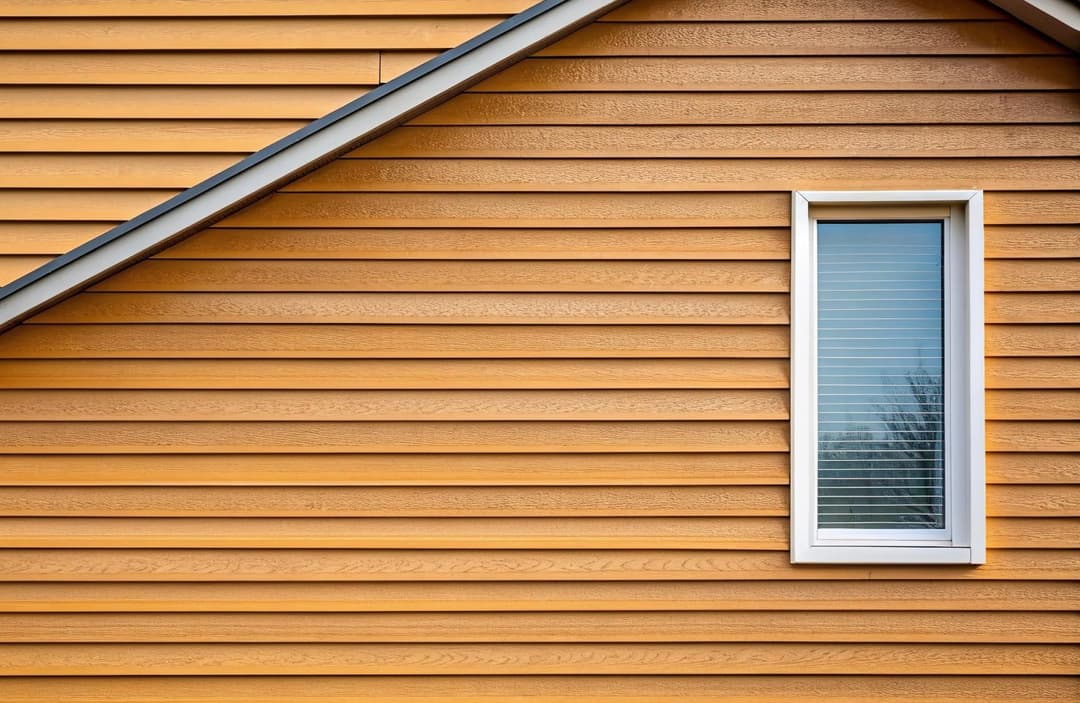
Each material used for cladding and siding has unique benefits. Here’s a quick comparison of some popular materials for each:
- Vinyl Siding: Cost-effective, low maintenance, and available in various colors.
- Wood Cladding: Natural aesthetic, offers great insulation but requires more maintenance.
- Fiber Cement Siding: Durable, weather-resistant, and fireproof.
- Metal Cladding: Modern appearance, highly durable, and resistant to fire and pests.
Addressing Common Concerns
- Moisture and Mold: Siding, especially vinyl, can be vulnerable to moisture build-up if not installed correctly. Cladding, on the other hand, tends to offer better moisture protection.
- Maintenance: Siding typically requires less maintenance compared to cladding. However, wooden cladding, while beautiful, demands regular upkeep to avoid rot or weathering.
Why Choose Cladding or Siding?
Choosing between cladding and siding ultimately comes down to your home’s specific needs. If you’re looking for an energy-efficient solution that boosts insulation, cladding might be the way to go. On the other hand, if you’re focused on cost-effective protection with minimal maintenance, siding could be your best bet.
Cladding vs Siding FAQs
Is cladding stronger than siding?
Structural performance is not the primary distinction — both are non-structural skin materials that protect the building envelope. Cladding systems in the UK and Europe tend to be specified with more attention to fire performance and weather detailing than US-style vinyl siding. Premium timber or composite cladding products typically use more substantial profiles (18–25mm thick) than standard vinyl siding (1.2–1.5mm), which makes them more physically robust. However, vinyl siding’s flexibility makes it more impact-resistant in hailstorm conditions that would split or crack thicker rigid profiles.
Can you use vinyl siding in the UK?
Vinyl siding (UPVC cladding boards) is available in the UK but is less culturally embedded than in North America. It is used primarily in replacement installations where existing timber cladding is being upgraded and the homeowner prioritises maintenance-free performance over authentic material character. UK planning guidance in conservation areas and many domestic architectural guidelines discourage vinyl/UPVC cladding in favour of natural or natural-look materials, so check planning constraints before specifying.
Which lasts longer: timber cladding or vinyl siding?
Quality vinyl siding carries manufacturer warranties of 30–50 years and requires no painting or staining over its lifetime. Premium timber cladding with regular maintenance (every five to eight years) can exceed 50 years. Without maintenance, unprotected timber will fail within 10–20 years depending on species and exposure. For maintenance-free longevity, vinyl wins outright. For material character and the ability to repair and restore rather than replace, timber is superior.
What is the cost difference between cladding and vinyl siding?
In the UK market, UPVC cladding boards are among the most affordable exterior wall finishes — materials typically cost £15–£30 per square metre with installation at a further £20–£40. Timber cladding (treated pine or larch) runs £25–£50 per square metre in materials, with installation comparable to UPVC. Premium composite, fibre cement, or thermally modified timber cladding ranges from £50–£120 per square metre in materials, with installation costs proportionally higher due to more complex fixing systems. Zinc, copper, and architectural metal cladding can exceed £200 per square metre in materials alone.
The Final Verdict
Both cladding and siding bring their own charm and practicality to your home’s exterior, making it easier to choose what suits your style and needs best.
Think about your budget, style choices, and the weather when choosing between the two options. Ultimately, either choice can turn your home into a more chic and weatherproof retreat.
Personally, I like cladding better since they stick to the walls better, even if it comes with a more difficult installation process. But alas, the choice is yours. Which one do you prefer?