
Table of Contents
- What You Need Before You Start
- Step 1: Prepare the Wall Surface
- Step 2: Acclimatise the Panels
- Step 3: Plan Your Layout
- Step 4: Mark Reference Lines
- Step 5: Cut Panels for Edges and Obstacles
- Step 6: Apply Adhesive and Fix the First Row
- Step 7: Install Subsequent Rows
- Step 8: Allow Adhesive to Cure
- Step 9: Finish Edges and Joints
- Step 10: Final Check and Touch-Up
- Common Mistakes to Avoid
- Browse RockSurface® Faux Stone Panels
What You Need Before You Start
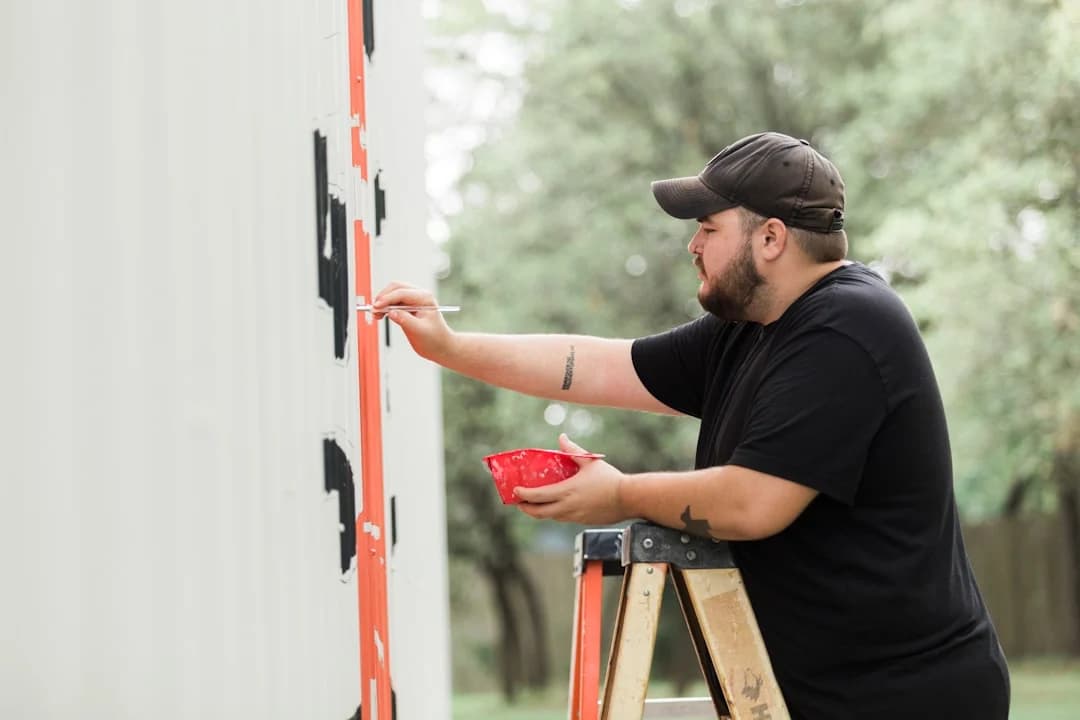
Installing faux stone wall panels is a straightforward DIY project — most single-wall installations complete in a day. Before starting, gather the following:
- Faux stone panels: RockSurface® panels in your chosen profile, plus 10–15% additional for cuts and offcuts
- Construction adhesive: MS polymer or polyurethane adhesive — moisture-resistant, gap-filling, suitable for bonding composite panels to plaster, drywall, or masonry
- Finishing nails or screws: 50–65mm nails for mechanical fixing during adhesive cure
- Spirit level: 1200mm or longer for setting accurate horizontal and vertical reference lines
- Pencil and tape measure
- Handsaw or jigsaw: For cutting panels to size around obstacles, corners, and edges
- Caulking gun: For applying construction adhesive
- Colour-matched sealant: For finishing edges and joints
- Damp cloth: For removing adhesive residue from panel faces before it cures
Use our panel quantity calculator guide to confirm how many panels you need before ordering.
Step 1: Prepare the Wall Surface
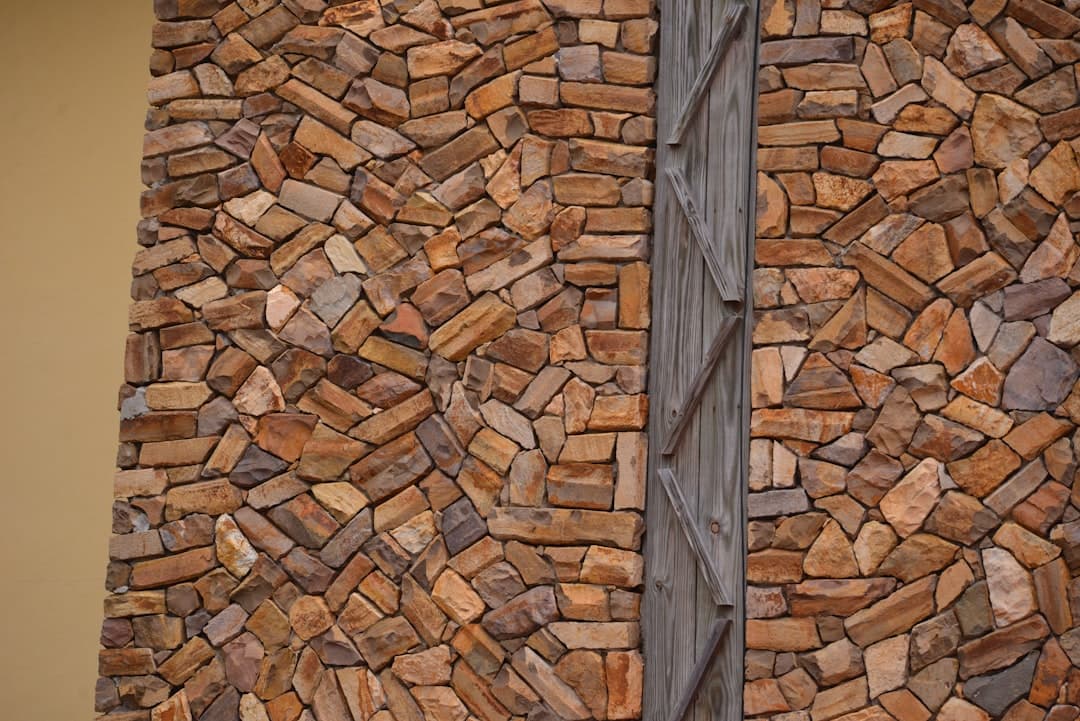
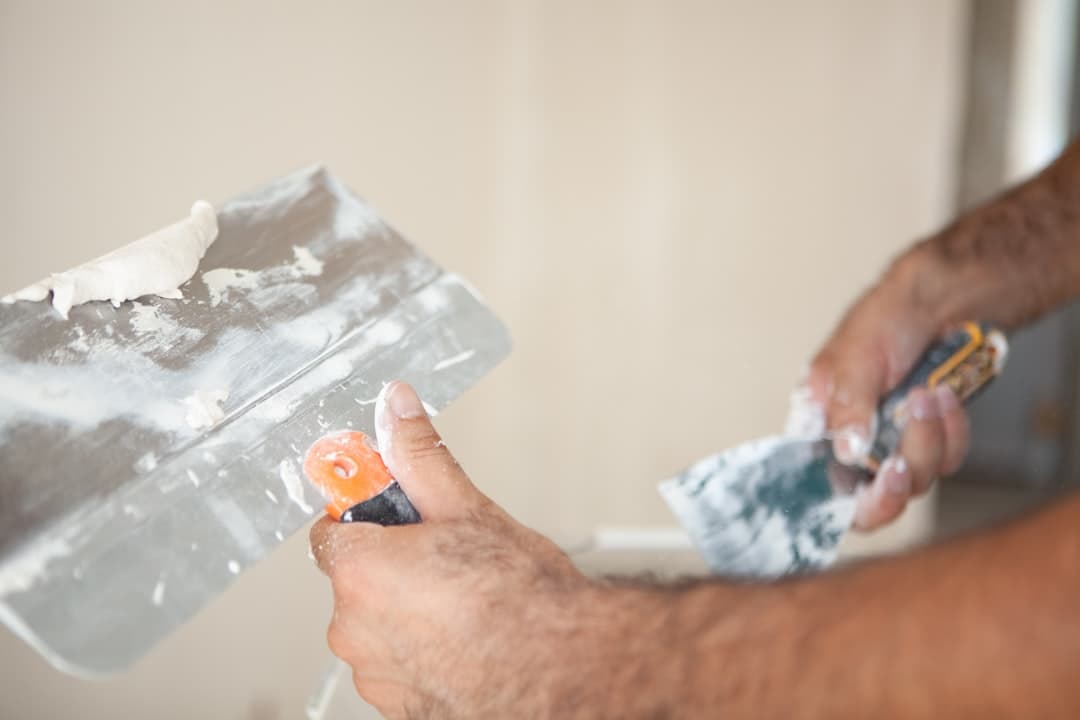
The wall behind the panels must be clean, dry, structurally sound, and reasonably flat. Address any issues before installation:
- Remove loose paint, wallpaper, and any surface treatments that are not firmly bonded to the substrate
- Fill cracks and holes with filler or patching compound and allow to cure fully
- Sand down any high points or raised areas that would prevent panels from lying flat
- On very uneven walls, apply a skim coat to bring the surface within tolerance. Our uneven wall guide covers this in detail
A poorly prepared wall is the most common cause of panel installation problems. Time spent on wall preparation saves time and frustration during and after installation.
Step 2: Acclimatise the Panels
Bring your RockSurface® panels into the installation room 24 hours before starting work. Leave them lying flat or standing upright (not stacked face-to-face without air circulation) to allow the panels to adjust to the room’s temperature and humidity. This reduces the risk of dimensional changes after installation. In bathrooms or high-humidity rooms, allow 48 hours.
Step 3: Plan Your Layout
Before applying any adhesive, dry-lay the panels on the floor to plan the installation:
- Decide whether to start from the centre of the wall (for symmetrical layouts) or from one corner (for continuous-run layouts)
- Check that the top row and bottom row will not end up with very narrow cut strips — adjust your starting point if necessary to ensure cut rows are at least half a panel height
- Mark the starting position on the wall with a pencil line and confirm it is level with a spirit level
Step 4: Mark Reference Lines
Use your spirit level to mark a precise horizontal reference line across the wall at your starting height. This is the most important step in the installation — if your first row of panels is not level, every subsequent row will be progressively more out of level. Take time to get this right.
If starting from a corner, also mark a vertical plumb line from which to start the first panel. Use the spirit level to confirm the line is perfectly vertical, not relying on the room corner itself (which is often not plumb).
Step 5: Cut Panels for Edges and Obstacles
Measure and mark any wall panels that need to be cut to fit — at wall edges, around electrical outlets, at ceiling and floor junctions, or around fireplace openings. Cut faux stone panels with a handsaw, jigsaw, or circular saw with a fine-tooth wood-cutting blade. Always cut on the face side of the panel to minimise surface chipping on the visible surface.
For electrical outlet cutouts, mark the position accurately on the panel back, drill a starter hole, and use a jigsaw for the internal cut.
Step 6: Apply Adhesive and Fix the First Row
Apply construction adhesive to the back of the first panel in a serpentine bead pattern — one continuous wavy bead from top to bottom of the panel, keeping the adhesive 25mm from all panel edges. Do not apply adhesive to the full face of the panel back — this prevents any trapped air from escaping and can cause the panel to bow.
Press the panel firmly onto the wall, aligning the bottom edge with your reference line. Apply firm, even pressure across the full panel face for 30 seconds. Use finishing nails driven through the panel edge into the wall at 400mm centres for mechanical support while the adhesive cures.
Step 7: Install Subsequent Rows
Continue installing panels row by row, working upward from your reference line. Stagger the vertical joints between rows by at least half a panel width — this replicates the random joint pattern of real stone and prevents visible vertical lines running up the wall. Check level every two or three rows with your spirit level and correct any drift before it compounds.
At internal corners, butt the panels directly into the corner. At external corners, either mitre the panels at 45° for a seamless corner, or use a corner moulding profile for a cleaner, faster solution.
Step 8: Allow Adhesive to Cure
Most MS polymer and polyurethane construction adhesives achieve handling strength within 4–6 hours and full bond strength within 24–48 hours. Do not apply force to the panels or attempt to remove the mechanical fixing nails until the adhesive has reached full cure. In cold or humid conditions, cure times may be longer — check the adhesive manufacturer’s datasheet.
Step 9: Finish Edges and Joints
Once the adhesive has cured fully, finish the panel installation:
- Fill any gaps at ceiling, floor, and wall edge junctions with colour-matched sealant
- In bathrooms or humid areas, apply sealant to all panel-to-panel joints and panel edges
- Set finishing nails below the panel surface and fill nail holes with colour-matched filler
- Remove any adhesive residue from panel faces with a damp cloth (if the adhesive has not yet fully cured) or a careful scrape with a plastic scraper (if cured)
Step 10: Final Check and Touch-Up
Stand back and review the completed installation from normal viewing distances. Check for any wall panels that are not fully bonded (a hollow sound when tapped lightly), any gaps that need additional sealant, and any surface residue requiring cleaning. Address any issues before considering the installation complete.
Common Mistakes to Avoid
- Starting without a level reference line — the single most common cause of a visibly crooked installation
- Not staggering joints — creates an obviously artificial vertical grid pattern on the finished wall
- Applying too much adhesive — causes squeeze-out on the panel face and makes alignment adjustments difficult
- Installing without acclimatisation — increases risk of panel movement and joint opening after installation
- Skipping edge sealing in humid rooms — leads to moisture ingress behind panels over time
Browse RockSurface® Faux Stone Panels
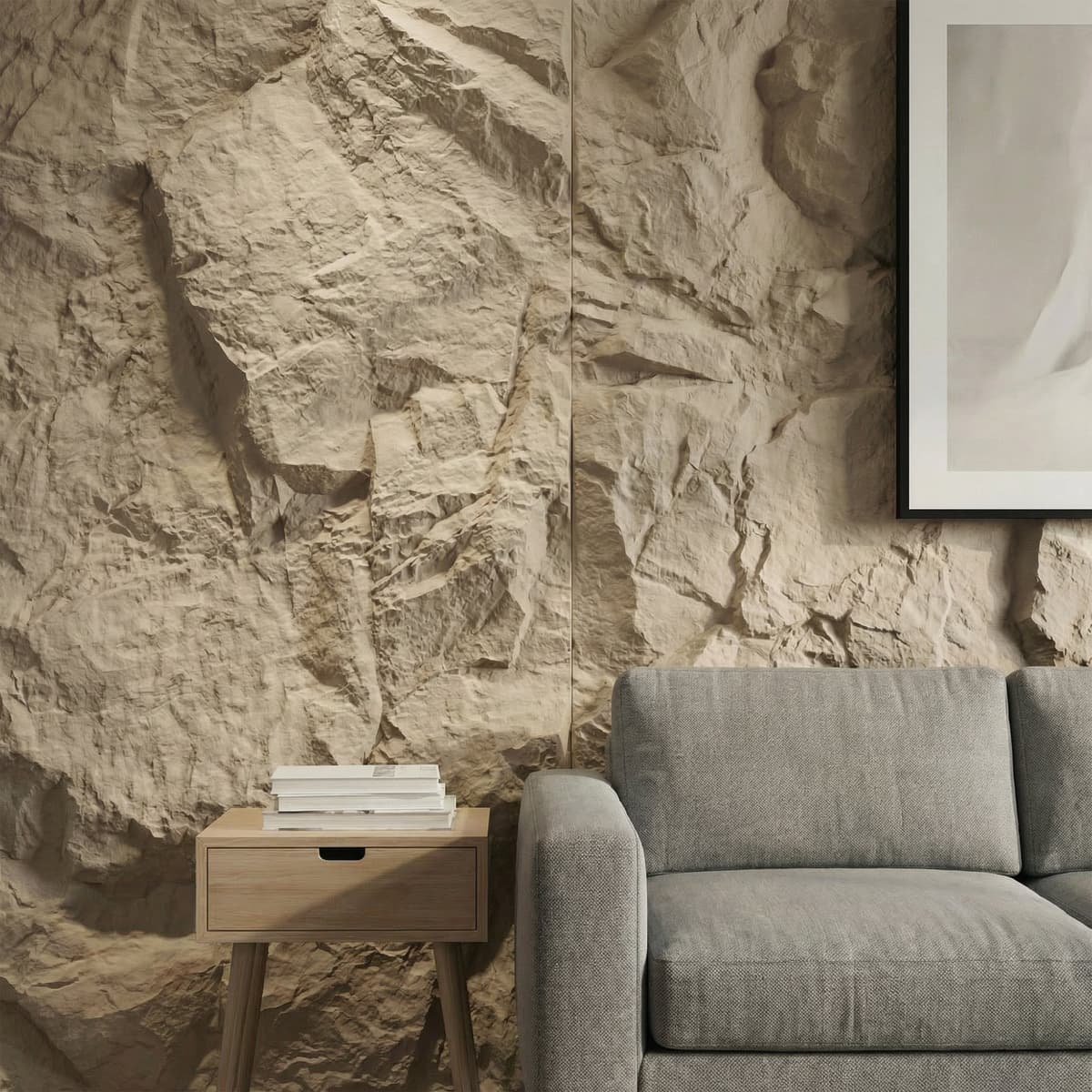
Ready to get started? Explore the RockSurface® faux stone collection at The Panel Hub — Highland Rock, Ridge Rock, and Stone Rock profiles, all lightweight and DIY-compatible. Order a sample first to confirm your choice, then complete your order with free US delivery, a 5-year warranty, and 24/7 support throughout your installation.