
You’ve heard the claim: install acoustic wall panels and your room will feel noticeably quieter. But does it hold up? Do wood slat panels genuinely reduce sound — or is it mainly a marketing story attached to a decorative product?
The short answer: yes, acoustic wall panels genuinely work — but understanding exactly what they do (and don’t do) will help you set realistic expectations and choose the right product for your situation.
Table of Contents
- Sound Absorption vs. Soundproofing — The Key Distinction
- How Acoustic Slat Panels Reduce Echo
- What Is NRC and What Does It Mean for You?
- Where Acoustic Wall Panels Make the Biggest Difference
- How Much Coverage Do You Need?
- SoundPanel™ — Acoustic Performance Built In
- Frequently Asked Questions
- Conclusion
Sound Absorption vs. Soundproofing — The Key Distinction
Most confusion around acoustic wall panels comes from conflating two different things:
- Sound absorption reduces echo and reverberation inside a room. The room sounds cleaner — voices are clearer, music more defined, TV dialogue easier to follow.
- Soundproofing prevents sound from travelling between rooms or from outside to inside. This requires mass, decoupling, and airtight seals — you cannot soundproof a room with decorative wall panels alone.
Acoustic wall panels are sound absorbers. They will not stop your neighbours hearing you practice guitar. They will significantly improve how sound behaves within the room where they’re installed.
How Acoustic Slat Panels Reduce Echo
Hard, flat surfaces — bare plasterboard, glass, stone floors, ceilings — reflect sound waves. Every reflection adds a layer of audio information on top of the original sound. In excess, this reverberation makes rooms sound echoey, muddy, or fatiguing.
Acoustic slat panels work in two ways simultaneously:
- Surface diffusion: The slat profile breaks up flat reflections, scattering sound waves in multiple directions rather than bouncing them directly back as a single clean reflection.
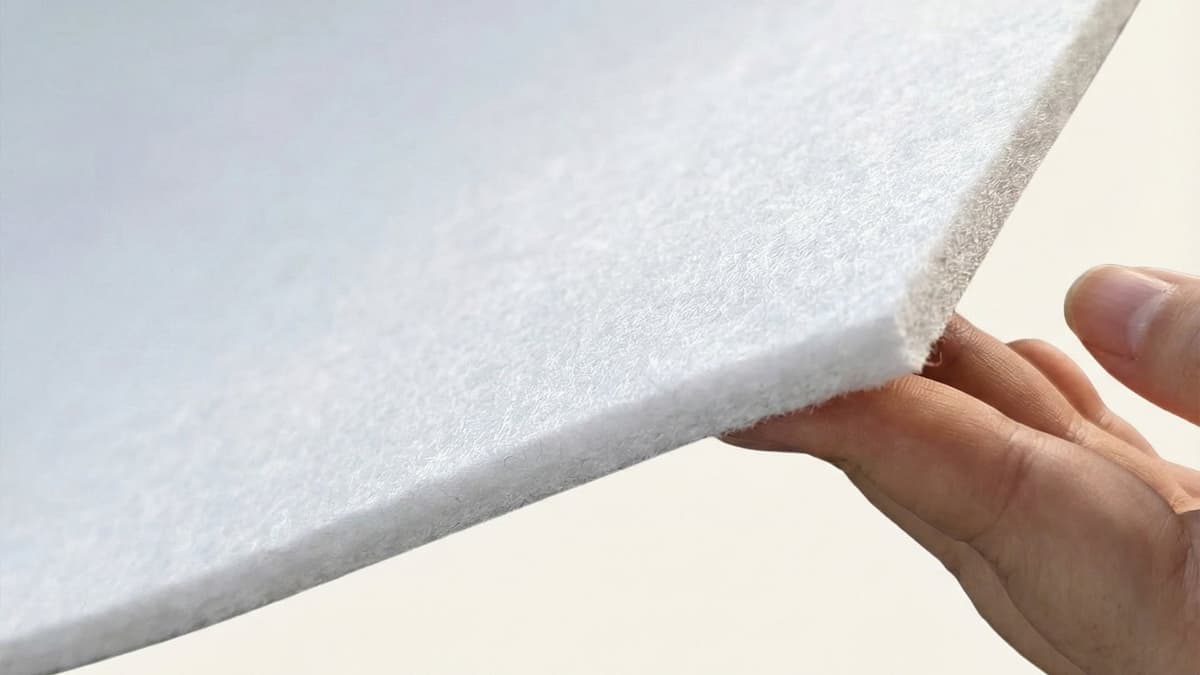
- Material absorption: The acoustic felt backing behind quality slat panels absorbs mid and high-frequency sound that passes through the gaps between slats — converting energy that would otherwise reflect back from the hard wall behind.
What Is NRC and What Does It Mean for You?
Noise Reduction Coefficient (NRC) is the standard measure of a material’s sound absorption, rated from 0 (perfectly reflective) to 1.0 (perfectly absorptive). Most acoustic slat panels with felt backing achieve an NRC of 0.45–0.75, meaning they absorb 45–75% of sound that strikes them at mid and high frequencies.
For practical purposes: treating 25–40% of wall area in a room with acoustic panels creates a noticeably cleaner acoustic environment. A full recording studio requires additional treatment beyond panels alone.
Where Acoustic Wall Panels Make the Biggest Difference
- Living rooms with hard floors and high ceilings: The rooms most prone to echo. Even a single acoustic feature wall makes a perceptible difference to speech clarity and music definition.
- Home cinemas and media rooms: Acoustic panels improve dialogue clarity and prevent reflections from muddying bass from a surround sound system.
- Home offices: Reduce the reverberant tail that makes video calls sound echoey and fatiguing over long sessions.
- Open-plan dining and kitchen spaces: Hard surfaces in open-plan areas compound reverberation. Panels on the dining or living portion significantly reduce ambient noise levels.
- Bedrooms: Reducing reverberation through panels on the headboard wall creates a perceptibly calmer sleeping environment.
How Much Coverage Do You Need?
- Light improvement (reduce noticeable echo): 15–25% of wall area
- Significant improvement (clear, comfortable acoustic environment): 25–40% of wall area
- Near-studio performance (home cinema, recording space): 40%+ of wall area, combined with ceiling and floor treatment
For most living rooms and bedrooms, a single SoundPanel™ feature wall (typically covering 25–35% of total wall area) delivers a clearly perceptible improvement in acoustic comfort.
SoundPanel™ — Acoustic Performance Built In
American Acoustic Slat Wood Wall Panels | SoundPanel™

SoundPanel™ combines real wood veneer slats with a high-density acoustic felt backing. The felt backing delivers genuine NRC-rated sound absorption; the slat profile contributes diffusion across the panel surface. Available in Golden Oak, Walnut, and Charcoal.
Unlike decorative panels that simply look like acoustic panels, SoundPanel™ is engineered from the substrate up for measurable acoustic performance — with no visual compromise. The panels look identical to premium decorative wood slat panels.
Read More: How to Build a Media Wall with Wood Panels
Frequently Asked Questions
Will acoustic wall panels stop my neighbours hearing me?
No. Acoustic wall panels reduce echo inside your room — they do not provide meaningful sound isolation between rooms or from external noise. For that, you need structural changes: mass-loaded vinyl, decoupled stud walls, or specialist acoustic insulation.
How many panels do I need?
For a noticeable improvement in a standard living room (20–25 square metres of floor area), aim for one feature wall of SoundPanel™ — typically 6–10 square metres of wall area depending on ceiling height.
Do acoustic panels work in open-plan spaces?
Yes, though open-plan spaces require more coverage to achieve the same effect as a smaller enclosed room. Focus panels on areas where conversation and listening happen most, and combine with soft furnishings, rugs, and curtains for best results.
Are acoustic slat panels safe for bedrooms?
Yes. SoundPanel™ uses real wood veneers and a natural felt backing — no harmful chemicals or off-gassing materials. Fully safe for bedrooms, including children’s rooms.
Can I install acoustic panels myself?
Yes — SoundPanel™ is designed for DIY installation using panel adhesive. Clean the wall, apply adhesive to the panel back, press and hold. Full installation guidance is included with every order.
Conclusion
Acoustic wall panels genuinely work as sound absorbers and diffusers — improving the acoustic quality of the room they’re installed in. What they don’t do is soundproof a room from external noise or adjacent spaces.
For most homes, a single feature wall of acoustic slat panels is enough to noticeably reduce echo, improve speech clarity, and make the room feel calmer and more comfortable. With SoundPanel™, that acoustic benefit comes in a genuinely beautiful wood finish.