
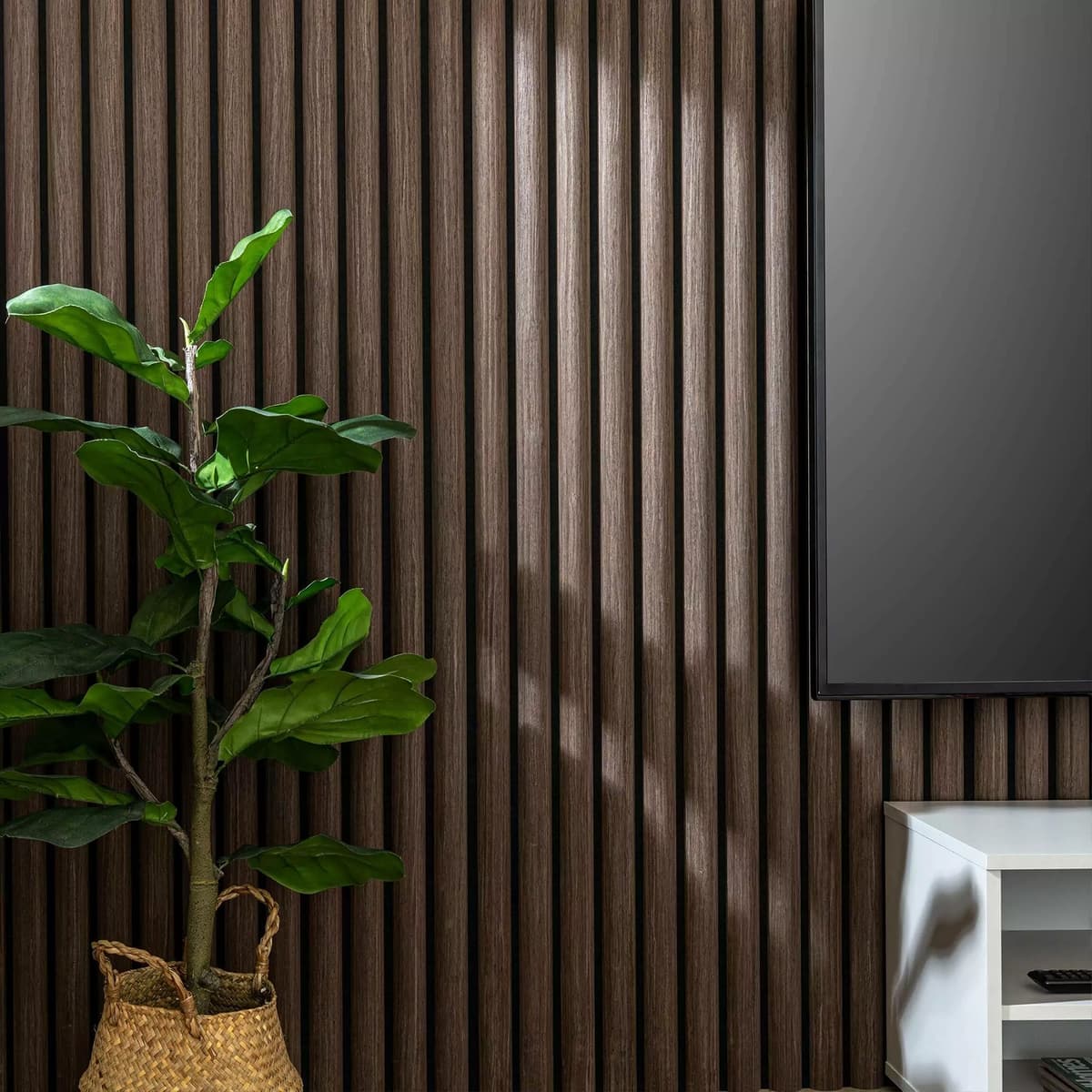
Table of Contents
What Is Wainscoting?
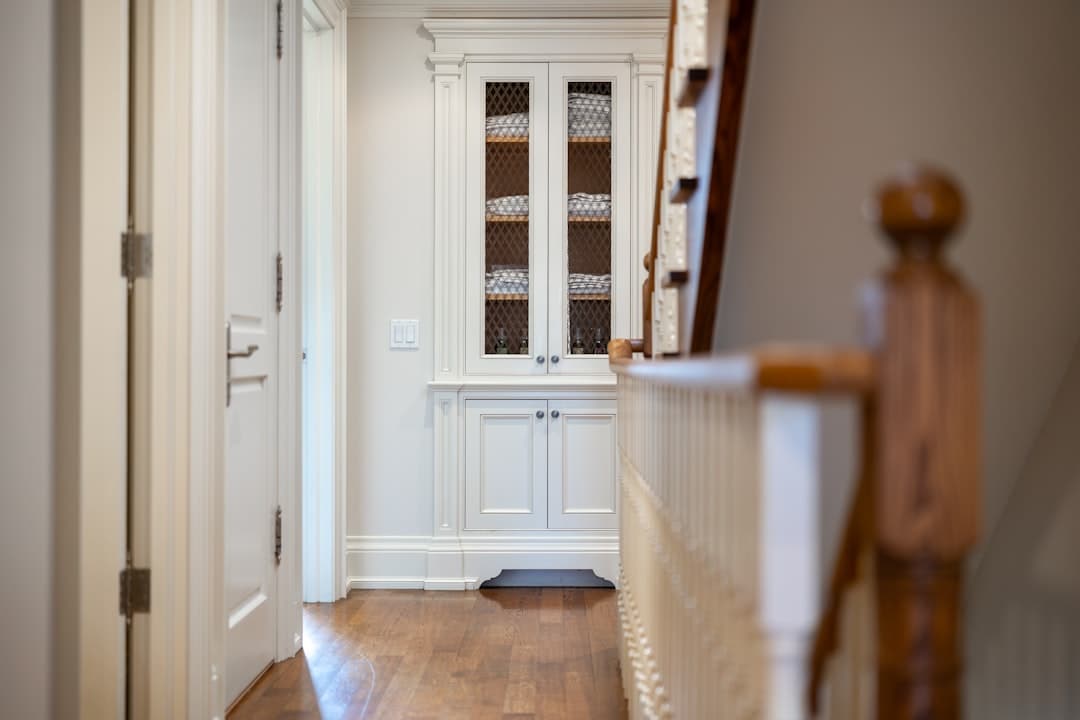
Wainscoting is a wall treatment applied to the lower section of an interior wall — traditionally the lower third to half — using wood panels, boards, or moulding profiles. The name comes from the Dutch word “wagenschot,” referring to the high-quality oak boards historically used for this purpose. In its most common form, wainscoting consists of a top rail (a horizontal moulding at waist height), vertical stiles and panels below, and a base rail at floor level.
Traditional wainscoting styles include raised panel (panels that project above the frame), recessed panel (panels that sit below the frame surface), flat panel (simple inset panels with minimal moulding), and board and batten (vertical boards with thin strips covering the joints). Each style carries a distinct character: raised panel is formal and traditional; board and batten reads as farmhouse or coastal; flat panel sits between traditional and contemporary.
What Are Modern Wood Wall Panels?
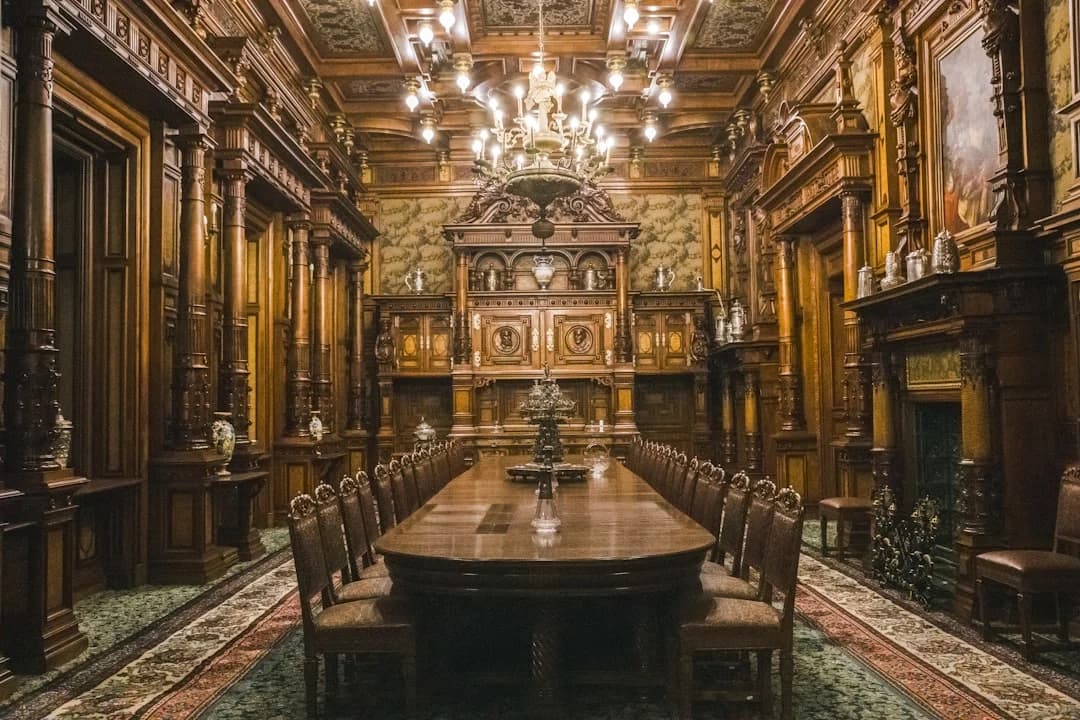
Modern wood wall panel systems — like the GroovePanel® geometric panels and SoundPanel® acoustic slat panels at The Panel Hub — are pre-engineered panel systems designed to cover full wall areas or specific sections of a wall. They come in modular formats that install cleanly panel-to-panel, with patterns and profiles that are machined at the factory rather than assembled on-site from separate components.
Modern wall panels can be used at full height or as a half-wall treatment — replicating the proportional logic of wainscoting with a contemporary material and aesthetic. They span a much wider design range than traditional wainscoting: geometric patterns, deep-groove profiles, acoustic performance, natural wood tones, and FSC-certified materials are all available within a single panel system.
How They Compare
Aesthetic Range
Wainscoting is aesthetically specific. Its architectural language — stiles, rails, panels, mouldings — is rooted in period interior design. Done well, it is beautiful in the right context: Georgian townhouses, Victorian terrace conversions, formal dining rooms, entrance halls with high ceilings. In a contemporary open-plan apartment or a Japandi-influenced interior, it works against the design rather than with it.
Modern wood wall panels are not style-specific. A fine oak slat panel applied to the lower half of a wall reads as a contemporary dado — the proportional logic of wainscoting expressed in a modern material language. A geometric GroovePanel® applied at the same height reads as architectural and precise. The panel format adapts to the design intent rather than imposing its own historical character.
Installation Complexity
Traditional wainscoting is a joinery project. Individual components — top rails, base rails, stiles, panel inserts, corner mouldings, returns — are measured, cut, fitted, and fixed individually. Achieving crisp, even results requires skill and time. Even pre-primed wainscoting kits involve significant on-site assembly and finishing work.
Modern panel systems install considerably faster. Larger format panels cover more wall area per piece, factory-made edges butt together cleanly, and alignment is built into the panel design rather than achieved through on-site carpentry. Our step-by-step installation guide covers the complete process. Most single-wall panel installations complete in under two hours.
Material Quality and Certification
Entry-level wainscoting is typically MDF — primed and painted on site. Mid-range wainscoting uses MDF or softwood. Premium wainscoting uses hardwood species (oak, American walnut) but at significant cost. Modern wood panel systems like GroovePanel® are 100% solid wood throughout, FSC® and EPD certified, and priced with factory-direct efficiency. You get premium solid hardwood at a price point that would typically buy mid-range wainscoting materials alone — before labour.
Half-Wall vs Full-Wall Application
Wainscoting is by definition a partial-height treatment. Modern wall panels work at any height: full floor-to-ceiling for maximum impact, half-wall for the proportional logic of a traditional dado, or as a focused panel in a single section of the room. This flexibility makes modern panels a more versatile investment — the same product system can serve as a full feature wall or a contemporary wainscoting alternative depending on how it is applied.
Acoustic Performance
Traditional wainscoting panels are decorative — they provide no acoustic benefit. Modern acoustic wood panel systems with felt backing do provide measurable sound absorption, which is relevant in open-plan spaces, home offices, and media rooms. If sound quality matters, modern panels offer a functional dimension that wainscoting cannot match.
When to Choose Wainscoting
Wainscoting remains the right choice when:
- The room’s existing architecture is period or traditional and you want the wall treatment to match the period character
- You are restoring a property and want historically accurate detailing
- You specifically want the raised or recessed panel profile that is characteristic of traditional wainscoting
When to Choose Modern Wood Wall Panels
Modern wood wall panels are the right choice when:
- You want a contemporary or design-forward result rather than a period look
- You want the proportional logic of a dado treatment expressed in a modern material
- You want acoustic performance alongside visual appeal
- You want FSC-certified, environmentally documented materials
- You want faster installation with less on-site carpentry skill required
Making the Decision: A Practical Framework
After comparing the two approaches, the decision usually comes down to a few practical factors rather than pure aesthetics. Here’s a framework that resolves most cases quickly.
Is period character essential? If the room has original cornicing, skirting, or other period architectural features that you want to complement, traditional wainscoting is almost certainly the better choice. Modern panel systems read as contemporary additions rather than period-sympathetic treatments. In a listed building or period property, wainscoting is usually more appropriate and in some cases architecturally required.
Is the installation permanent? If you’re renting, or if you anticipate removing the wall treatment within five years, modern wall panel systems that install with minimal fixing (adhesive, few fixings) are easier to remove without damaging the substrate. Traditional wainscoting installed with nails and filler is significantly harder to reverse.
What is the primary effect you’re trying to achieve? Texture and depth → modern wall panels. Period character and formal elegance → wainscoting. Acoustic improvement → acoustic slat panels. Practical storage → slat wall storage panels. The desired outcome narrows the choice quickly.
What is the budget constraint? Traditional wainscoting has a wide price range — from painted MDF rail-and-panel kits at modest cost to bespoke joinery at significant expense. Modern panel systems are similarly variable. At equivalent quality levels, the two approaches are broadly comparable in material cost; the labour difference is significant, with modern panels typically faster to install.
FAQs: Wainscoting vs Modern Wall Panels
Can wainscoting and modern wall panels be used in the same house?
Yes — different rooms can take different approaches. Period-style wainscoting in a formal dining room or hallway, and modern 3D or slat panels in a home office or media room, is a coherent approach that uses each treatment where it’s most appropriate. The key is ensuring each room is internally consistent rather than mixing styles within a single space.
Is wainscoting still in style?
Traditional wainscoting remains a strong choice in period properties and formal rooms. Contemporary interpretations — simplified panel moulding, painted in off-white or deep tones — have seen renewed interest as part of the broader trend toward architectural interior detail. Classic wainscoting doesn’t go out of style in the same way trend-led treatments do; it’s a period reference rather than a current trend.
How high should wainscoting be?
Traditional wainscoting runs to one-third of the wall height — typically 900–1,100mm in a room with standard 2.4m ceilings. Chair rail height (approximately 900mm) is the classical reference point. Higher wainscoting (to half-wall height, 1,200mm+) creates a more dramatic effect and suits taller rooms proportionally. Lower wainscoting (below 750mm) tends to look undersized rather than restrained.
What is the main maintenance difference between wainscoting and modern panels?
Painted wainscoting requires periodic repainting — typically every 5–7 years depending on wear — as the paint chips and scuffs over time. Modern wood wall panels with oil or lacquer finishes require periodic re-oiling or lacquer refresh, but the natural timber appearance is more forgiving of minor wear marks. In high-traffic areas like hallways, both treatments will show wear; the maintenance approach differs but the effort level is broadly comparable.
Browse Modern Wall Panel Collections
Explore the GroovePanel® geometric collection and the full wood wall panel range at The Panel Hub. All panels are factory-direct, FSC® certified, and come with a 5-year warranty. Order a sample to compare materials and finishes before committing to a full installation.