
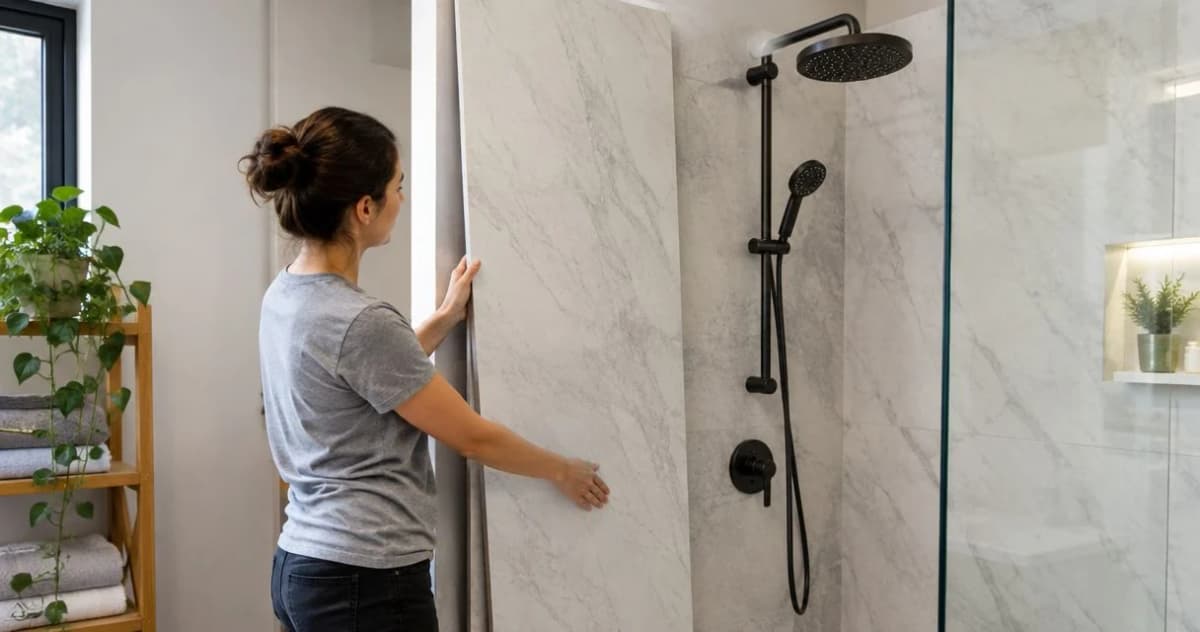
Yes, you can install wall panels inside a shower when the manufacturer explicitly approves the panels and installation system for direct shower exposure. A waterproof panel face alone is not enough: the backing, joints, corners, plumbing openings, and connection to the shower base must also follow the system’s wet-area installation instructions.
- Can you install wall panels inside a shower? Yes—choose a shower-approved system, not ordinary decorative wall panels.
- The Panel Hub sells shower wall panels; confirm the exact product’s wet-area instructions before choosing.
- PVC wall panels need explicit shower approval; the material name alone does not establish suitability.
- Waterproofing depends on the complete installation, including backing, sealed joints, corners, and plumbing openings.
Can you install wall panels inside a shower?
Yes—but choose by approved use, not appearance. A panel described as suitable for a bathroom is not automatically suitable for the inside of a shower. Bathroom walls encounter humidity and occasional splashes; shower walls receive repeated direct water exposure.
For a shower project in 2026, use this comparison to separate suitable systems from decorative finishes. For the openings around valves and shower arms, also review the guide to installing wall panels around bathroom plumbing fixtures.
| Panel option | Best for | Main advantage | Limitation | Shower decision |
|---|---|---|---|---|
| Shower-approved PVC system | Homeowners seeking a wipe-clean shower finish | Nonabsorbent panel material | Joints, edges, and backing still need the specified treatment | Choose only with explicit shower instructions |
| Shower-approved solid-surface system | Homeowners seeking a continuous-looking finish | Broad surfaces with relatively few joints | Cutting, handling, and attachment requirements vary by system | Choose with a compatible installation method |
| Ordinary decorative PVC panels | Decorative areas outside direct spray, where approved | Decorative finish without exposed wood | PVC construction alone does not establish shower suitability | Skip unless the exact product is shower-approved |
| Ordinary wood, MDF, or acoustic panels | Dry interior feature walls | Warm texture or sound absorption | Decorative construction does not establish wet-area suitability | Skip for the shower enclosure |
Do not treat this table as approval for an individual product. The exact panel’s technical documentation determines where and how you can install it.
Why this matters
A shower can look finished while water travels behind its surface. An attractive panel face does not protect a poorly detailed corner, an unsealed valve opening, or an incompatible connection to the shower base.
The practical goal is not simply to cover the wall. It is to create an assembly that manages water without leaving vulnerable materials exposed. That distinction should guide your purchase before you compare colors or textures.
The Panel Hub is best for homeowners comparing decorative and shower wall panels, with shower suitability checked at the individual-product level. The retailer’s broader wall-panel selection is not a reason to treat every panel as interchangeable.
Shower-approved panels: what to check before buying
Start with the installation guide for the exact product, not a general category description. Look for a clear statement that the system is intended for shower walls or direct wet-area exposure.
Your 2026 buying checklist should answer these questions:
- Approved location: Does the documentation explicitly allow installation inside a shower?
- Required backing: Which substrates does the system accept, and does it require a separate waterproofing layer?
- Joint treatment: Does the system use specified sealant, joint profiles, interlocking edges, or a combination?
- Base connection: How must the bottom edge meet the shower tray or tub flange?
- Openings and accessories: How are valve openings, shower arms, niches, and attachments sealed?
- Use restrictions: Does the documentation exclude steam showers or other conditions relevant to your room?
If you cannot answer these questions, stop before ordering. A written installation detail is more useful than a broad claim that a panel is waterproof.
Ask for the complete system requirements together. Substituting a familiar adhesive or trim without checking compatibility turns a documented installation into an unverified combination.
How do you install wall panels inside a shower?
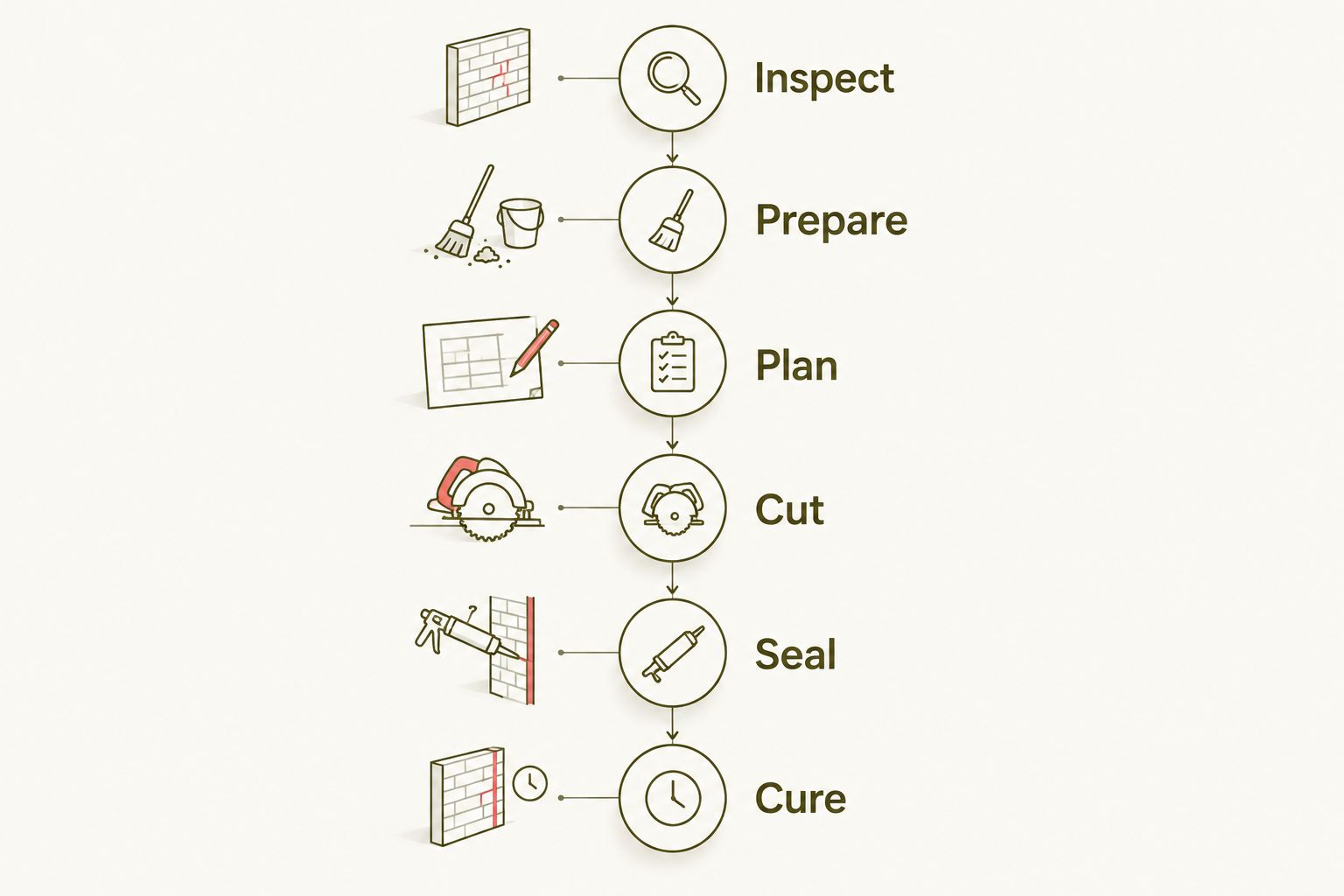
Follow the panel manufacturer’s sequence and applicable local requirements. The steps below explain the decisions involved; they do not replace product-specific instructions for attachment, clearances, sealing, or curing.
1. Inspect the existing wall
Check for loose finishes, soft areas, staining, damaged backing, and signs of an active leak. Repair the cause of moisture damage before covering the wall.
Never use new panels to hide an unresolved water problem. The guide to installing wall panels over water-damaged drywall explains why the existing surface deserves attention before a cosmetic upgrade.
2. Prepare the backing
Install or repair the substrate specified for the chosen system. Make sure the surface meets the manufacturer’s requirements for cleanliness, dryness, flatness, and structural support.
Do not assume every shower panel requires the same backing. Some systems depend on a particular waterproofing arrangement; others have different approved assemblies. Use the instructions for your actual product rather than combining unrelated advice.
3. Plan the layout
Measure each wall and mark the panel arrangement before cutting. Locate corners, valve centers, shower arms, niches, and any accessories that need support behind the finished surface.
Dry-fit the layout where the manufacturer permits it. Check that cuts and joints leave room for the specified profiles and movement clearances rather than forcing panels tightly into place.
4. Cut and fit
Use the cutting tools and methods recommended for the panel material. Support the panel during cutting, and use appropriate eye, hearing, and respiratory protection for the task.
Check the fit before applying adhesive or completing mechanical attachment. An oversized opening around a valve is not a detail to solve casually with extra sealant.
5. Attach and seal
Attach the panels using the approved adhesive or fastening method. Treat corners, panel connections, cut edges, penetrations, and the shower-base junction exactly as the installation guide specifies.
Do not add screws through the wet-area surface unless the system provides an approved detail. Every new penetration needs an appropriate water-management detail, including later additions such as shelves or shower-door hardware.
6. Cure and inspect
Leave adhesives and sealants undisturbed for their specified curing period before using the shower. A dry-looking surface is not proof that the full joint has cured.
Inspect the finished joints, corners, and openings for gaps or missed areas. Where inspection or testing is required by the system or local authority, complete it before putting the shower into service.
Why shower wall panel installation varies
The same-looking shower can require a different installation method because the hidden assembly differs. For a 2026 renovation, these factors determine the work—not just the panel pattern:
- Existing wall condition: Loose tile, damaged backing, and active leaks require attention before covering.
- Panel construction: Different materials require different cutting tools, attachment methods, and edge treatments.
- Backing requirements: The approved substrate and waterproofing arrangement determine what stays and what must change.
- Layout complexity: Niches, benches, returns, and multiple corners add junctions that need documented details.
- Plumbing and hardware: Valves, shower arms, door fittings, and grab bars require compatible openings and support.
- Shower type: A standard shower and a steam enclosure expose materials to different conditions; approval for one does not establish approval for the other.
A straightforward wall layout reduces the number of details you must execute. It does not remove the need to seal the details that remain.
Can you use wood or acoustic panels inside a shower?
Do not use ordinary decorative wood, MDF, or acoustic panels inside a shower without explicit approval for that application. Wood appearance, a protective finish, or a sound-absorption rating does not establish a waterproof shower assembly.
The Panel Hub’s Acoustic Slat Wood Wall Panels | SoundPanel™ are identified as acoustic wood panels, not as a shower system. Do not substitute them for shower-approved panels based on appearance or acoustic performance.
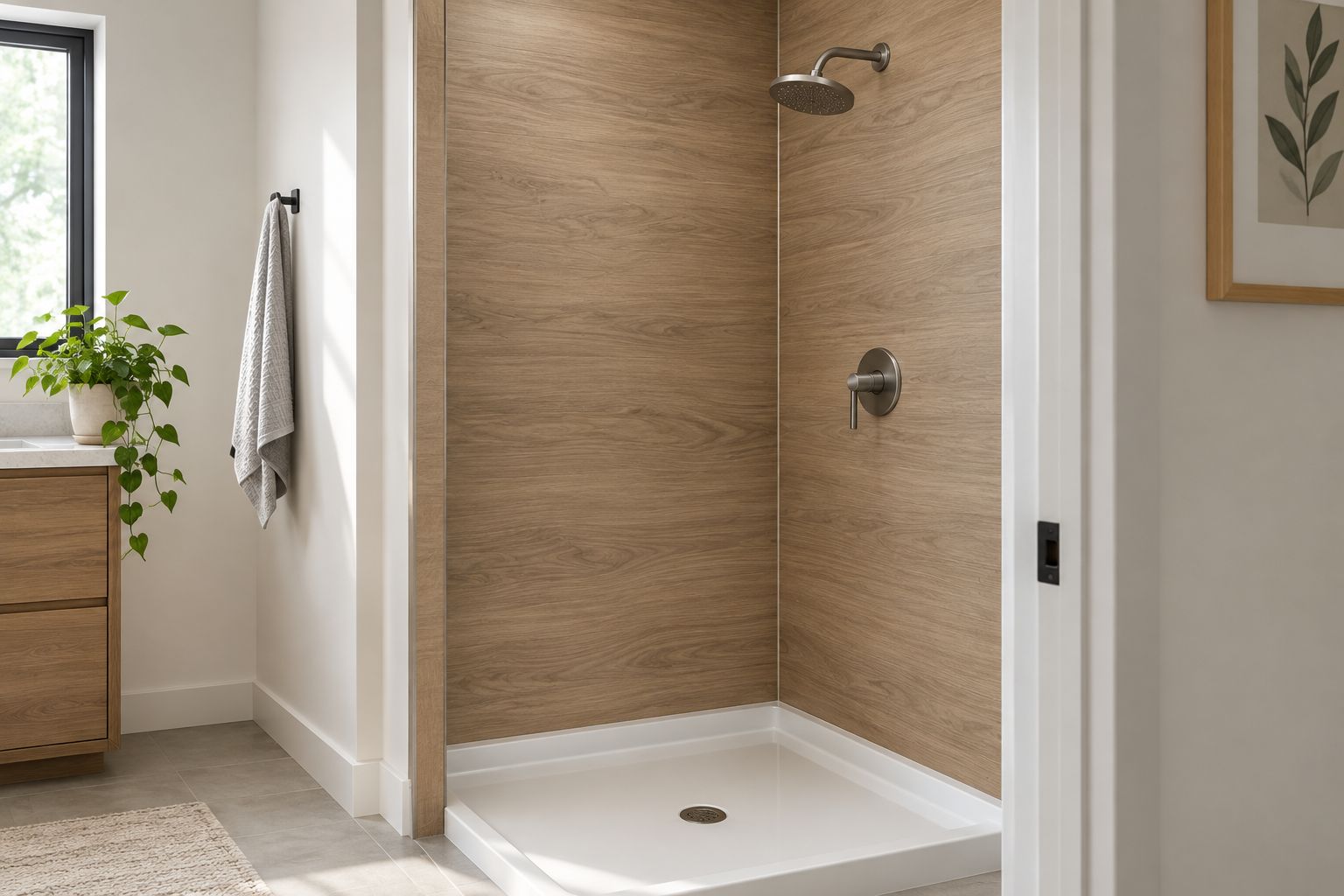
If you want a wood-like look inside the enclosure, look for a shower-approved finish with that appearance. Keep actual decorative wood outside direct spray only where its own installation instructions allow the room conditions.
Can you install shower wall panels over existing tile?
Yes, when the exact panel system permits tile as a substrate and the existing assembly meets its preparation requirements. Firmly bonded tile is only part of that assessment: the surface, wall condition, attachment method, and underlying moisture issues also matter.
Covering tile does not repair a leak behind it. Remove or repair loose and damaged areas as required, and check how the added panel thickness affects valves, trims, and the shower-base connection.
For a 2026 over-tile project, confirm the approved cleaning and preparation method before buying adhesive. Do not assume that a bond to the tile face proves the entire wall assembly is sound.
Are waterproof panels enough without waterproof backing?
No: a waterproof panel face alone does not establish whether separate waterproof backing is required. The manufacturer’s approved assembly determines the substrate and any membrane requirements.
Avoid both blanket assumptions: that every panel needs an additional membrane, or that no panel does. Follow a complete documented assembly rather than adding or removing layers based on a general rule.
Pay particular attention to the bottom edge. A watertight wall face still needs the specified connection to the shower base so that water is managed at the transition.
Can you install shower panels yourself?
Yes, if the system permits DIY installation and you can complete the required preparation, cutting, attachment, and sealing correctly. Large panels and awkward openings make handling and accurate fitting more demanding than covering a simple dry wall.
Get qualified help when the project involves unresolved leaks, structural damage, plumbing changes, or details you cannot execute to the instructions. Do not use a general quick-install claim as your schedule for a shower renovation; preparation and curing remain part of the job.
FAQ
Can any PVC wall panel go inside a shower?
No, PVC wall panels need explicit approval for shower use. Check the exact product’s instructions for backing, joints, sealants, and the shower-base connection rather than relying on the material name.
Can I glue shower wall panels straight onto drywall?
Only when the shower panel system explicitly approves that drywall assembly for the application. Ordinary drywall suitability elsewhere in a bathroom does not establish suitability behind a shower finish.
Do shower wall panels need silicone around every edge?
Use the joint treatment specified by the panel manufacturer, rather than applying silicone to every edge by default. Some systems use particular profiles, sealants, or drainage details that must remain consistent with their instructions.
How long should I wait before using a newly paneled shower?
Wait for the full curing period specified for the installation’s adhesives and sealants. Surface dryness does not establish that the shower is ready for water exposure.
Can I put shower panels over moldy walls?
Do not cover unresolved mold or moisture damage with shower panels. Identify and correct the water source, then arrange appropriate cleanup and repair before installation.
Are shower wall panels maintenance-free?
No, shower wall panels still need cleaning and inspection of joints and seals. Use compatible cleaning products and follow the manufacturer’s maintenance instructions.
Can shower-approved wall panels be used in a steam shower?
Only if the exact system is explicitly approved for steam-shower conditions. Standard shower approval alone does not establish suitability for a steam enclosure.
One last thing
Before ordering, find the installation detail for the shower-base connection. If you cannot explain how that junction works, you are not ready to choose the panel finish.
For your 2026 project, ask The Panel Hub for the exact shower panel’s installation documentation before committing. Choosing the complete approved assembly first keeps the decorative decision from creating a water-management problem later.
Related guides
- Can you install wall panels over ceramic tile?
- Best PVC wall panels for bathrooms
- Can you install wall panels over uneven or bowed walls?