
Bohemian interior design is defined by one principle above all others: nothing should look like it tried too hard. The effortless layering of natural textures, warm tones, handmade objects, and organic materials creates a space that feels collected rather than curated — lived-in rather than staged. Wall decor is where the boho aesthetic is most powerfully expressed, and the right choices make a room feel genuinely characterful rather than trend-chasing.
Table of Contents
Natural Wood Panels — Texture Without Effort
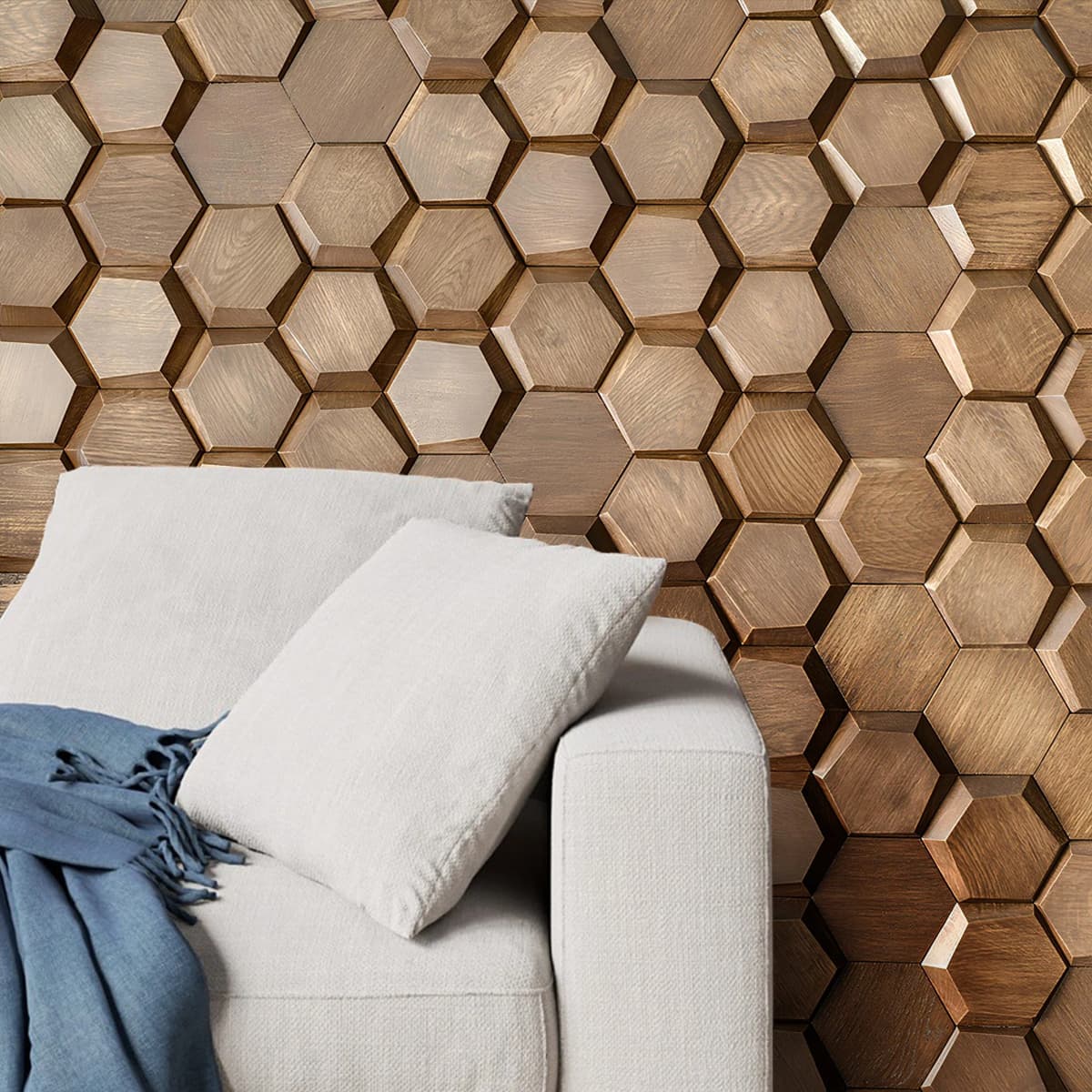
Natural wood is the foundational material in any boho interior. On walls, it provides the organic warmth and texture that anchors the layered, maximalist styling that defines the aesthetic. Wood slat or mosaic panels replace bare plasterboard with a surface that feels genuinely material — something with grain, variation, and natural imperfection that printed finishes can never replicate.
For a boho living room or bedroom, our Honey Mosaic Wood Wall Panels | GroovePanel® are an exceptional choice. Crafted from 100% solid wood with a warm natural walnut finish, the mosaic pattern has the handcrafted, irregular quality that suits boho interiors far better than the precise linearity of standard slat panels.
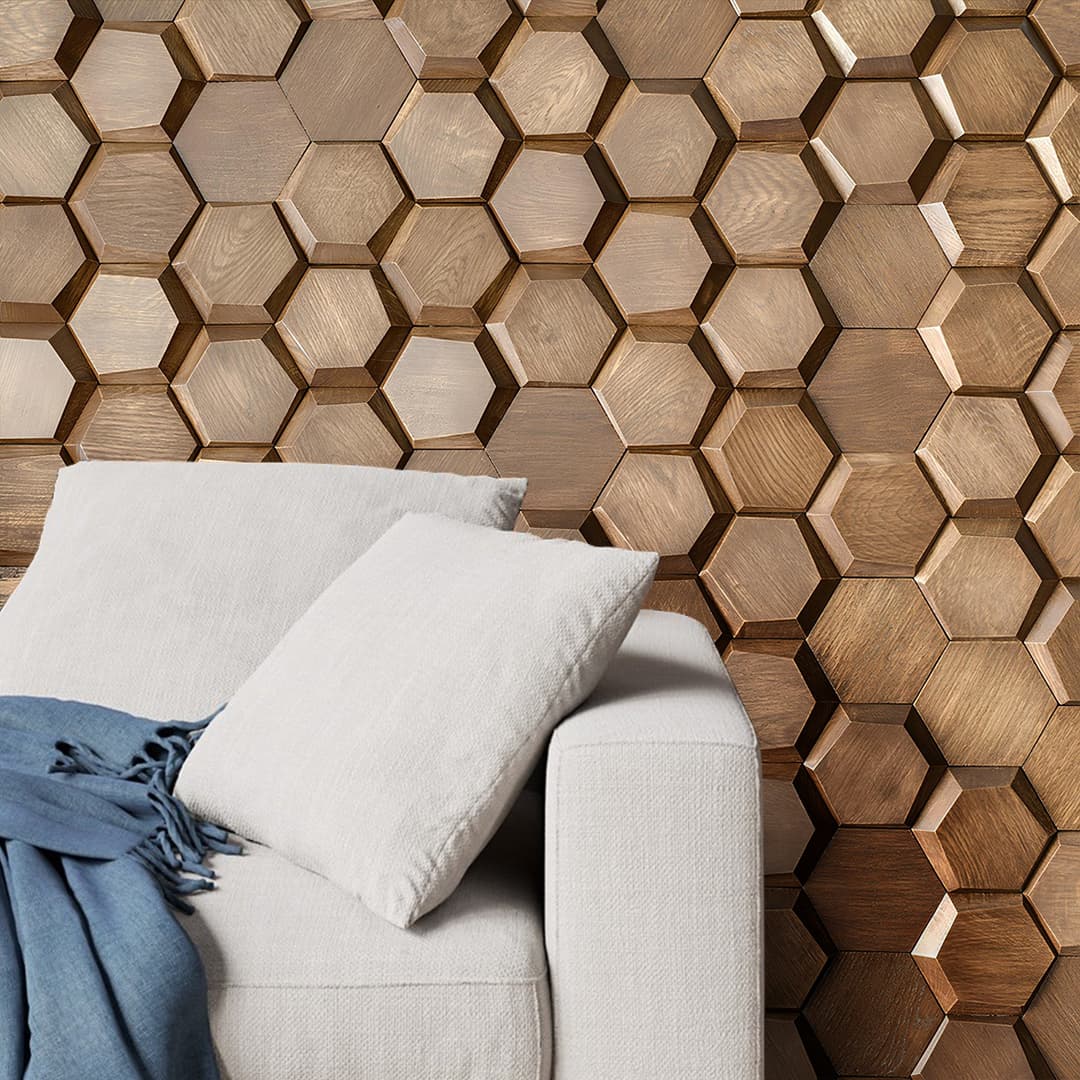
Our 3D Geometric Pattern Wooden Panels | GroovePanel® add another dimension — the striking mosaic-inspired pattern in 100% real solid wood creates the kind of artisanal, one-of-a-kind wall surface that defines the boho aesthetic.
Macramé and Woven Wall Hangings
Perhaps the most recognisable boho wall decor element. Large-scale macramé hangings — hand-knotted in natural cotton or jute — add movement, warmth, and artisanal character to a wall. For maximum impact, choose a single oversized piece rather than multiple smaller hangings. Position centrally at eye height, allowing the piece to fall naturally rather than mounting it rigidly flat to the wall. A wood panel feature wall behind a large macramé piece creates a layered, richly textured composition.
Gallery Walls — Boho Style
Boho gallery walls differ from traditional gallery arrangements in their deliberate eclecticism: mix photography, abstract prints, woven textiles, small mirrors, and found objects. Resist the urge to match frames — a mix of rattan, raw timber, and simple black frames is more authentic to the aesthetic than a coordinated set. Keep a consistent warm tonal palette across the pieces and let the composition grow organically over time rather than being fully planned in advance.
Stone and Earthy Textured Walls
Raw, earthy wall textures — exposed plaster, limewash, Venetian plaster, or stone-effect panels — provide the perfect backdrop for boho layering. Our Highland Rock Wall Panel | RockSurface® in charcoal or warm stone tones creates the kind of raw, textural surface that grounds boho styling without requiring actual exposed stone or the significant cost of real plaster finishes.
Plants as Wall Decor
In boho interiors, plants are not optional accessories — they are essential structural elements of the design. Trailing plants (pothos, string of pearls, heartleaf philodendron) positioned on high shelves and allowed to cascade down the wall create living wall texture. Wall-mounted planters in terracotta or woven rattan add further warmth. The combination of natural wood panels, trailing plants, and woven wall hangings creates the quintessential boho wall composition.
Mirrors — Rattan, Arch, and Sunburst Frames
Boho mirrors are characterised by their frame material — rattan, woven seagrass, raw timber, or hammered metal — rather than their glass. Arch-shaped and sunburst-frame mirrors are the two most popular boho forms: the arch softens the angular geometry of the wall; the sunburst adds a warm, radiating focal point. Cluster two or three differently sized rattan mirrors together rather than using a single piece for a more collected, organic arrangement.
The Boho Wall Decor Palette
Warm terracotta, rust, ochre, sage green, warm ivory, and natural wood tones are the core boho palette. On walls, these express as:
- Terracotta or rust limewash paint behind a gallery wall
- Natural walnut or honey wood panels as the primary surface
- Warm ivory or cream as the neutral base on surrounding walls
- Sage green in plants, textiles, and ceramic accessories
Frequently Asked Questions
How do I create a boho feature wall?
Start with a warm, earthy base — either limewash paint in terracotta or warm ivory, or a natural wood panel. Then layer: a large macramé hanging or woven textile, a cluster of rattan mirrors, trailing plants on shelves. The key is that each element should feel like it arrived gradually, not all at once.
Can I mix boho wall decor with a modern interior?
Yes — “boho modern” is one of the most popular interior styles currently, combining the clean lines and minimal furniture of contemporary design with the natural textures and warmth of bohemian decor. Wood panel feature walls are the natural intersection point between the two aesthetics.
What plants are best for boho wall decor?
Trailing plants work best for wall-adjacent styling: pothos, heartleaf philodendron, string of pearls, devil’s ivy. For wall-mounted planters, low-maintenance options like air plants (tillandsia), succulents, and small ferns are popular choices.
Conclusion
Boho wall decor is fundamentally about layering natural textures, earthy warmth, and handmade character — and doing it in a way that feels evolved and personal rather than purchased and arranged. Natural wood panels, macramé, rattan mirrors, and trailing plants are the core ingredients. The best boho walls are the ones that look like they took ten years to develop rather than ten minutes to style.