
Table of Contents
Why a Geometric Feature Wall Works
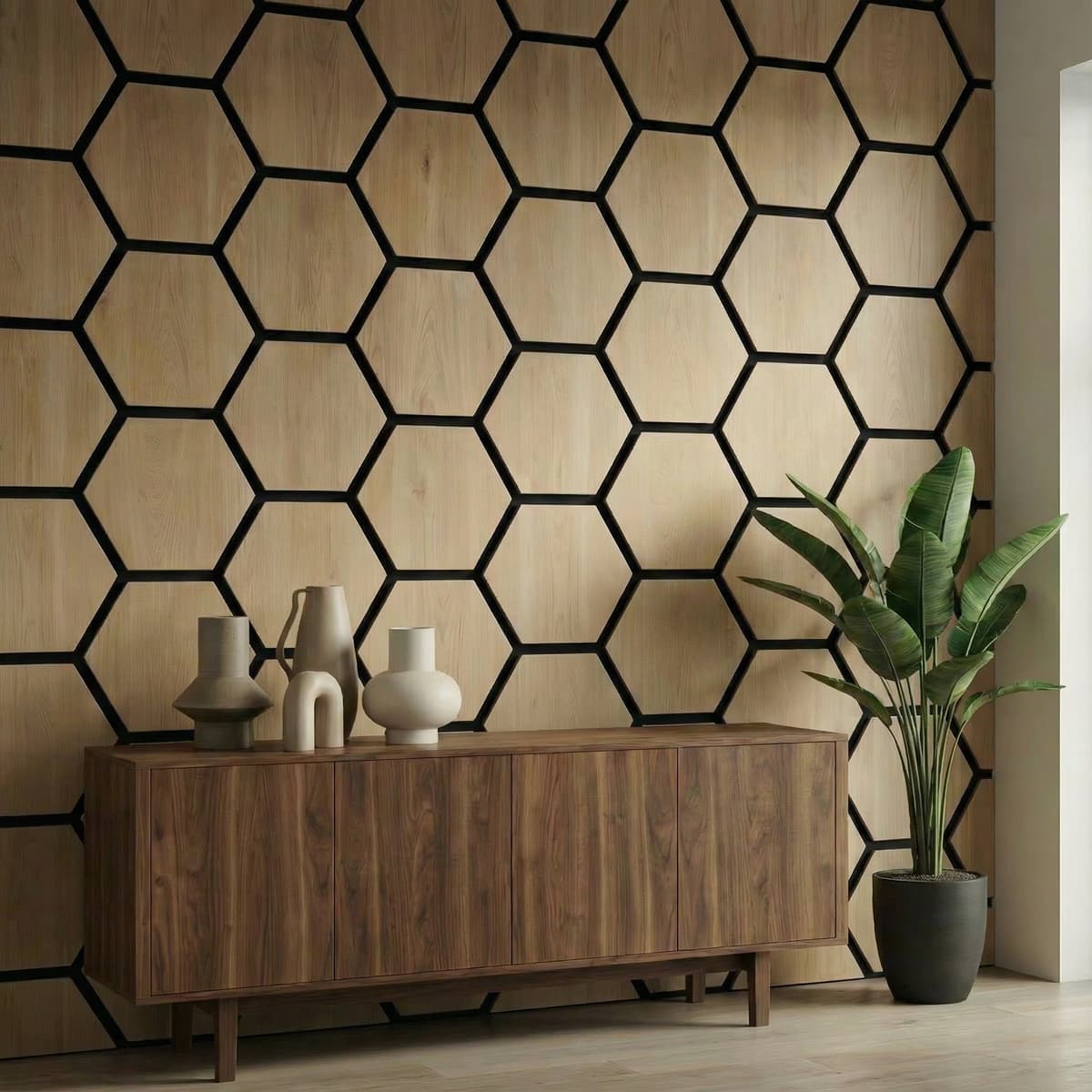
A feature wall — a single wall treated differently from the others in a room — is one of the most powerful tools in interior design. It creates a focal point, defines the room’s visual hierarchy, and gives furniture a designed backdrop to sit in front of rather than floating in an undefined space.
A geometric feature wall does this with particular effectiveness because geometric patterns create structure and precision — a sense that the wall has been designed rather than merely finished. The precision of a geometric pattern in solid wood, like the panels in the GroovePanel® collection, adds a layer of material quality that painted geometry and wallpaper patterns cannot match.
This guide covers every decision in the process: choosing which wall to feature, selecting the right geometric pattern, planning the installation, and executing it correctly.
Step 1: Choose the Right Wall
Not every wall in a room works equally well as a feature wall. The right choice depends on architecture, furniture arrangement, and how the room is used.
The Wall You Face Most
The single most reliable rule: feature the wall you spend the most time facing. In a living room, this is usually the sofa wall (the wall the sofa is placed against) because the main seating faces it. In a bedroom, it is the headboard wall. In a dining room, it is the wall at the end of the table. This wall receives the most visual attention, so it benefits most from design investment.
The Architectural Focal Point
If a room has a natural architectural focal point — a chimney breast, an alcove, a bay — consider featuring that element. Panelling a chimney breast emphasises the fireplace as the room’s organisational centre. Panelling a deep alcove transforms a recessed void into a designed feature.
Walls to Avoid
Walls with many interruptions — multiple doors, windows, or radiators — are harder to feature successfully because the panel installation is fragmented by the interruptions. Walls with problematic structural issues (significant unevenness, recurring damp) should be addressed before panelling. Our uneven wall preparation guide covers remediation approaches.
Step 2: Select the Geometric Pattern
Crossing Lines (Grid Panels)
Intersecting horizontal and vertical grooves create an even, all-over texture with no directional emphasis. Best for: rooms where you want textural warmth without a specific focal point pattern; Japandi and minimalist interiors; rooms where the furniture is the main visual event and the wall should be a composed backdrop. See our full Crossing Lines guide.
Concentric Squares (Radiating Panels)
Nested squares create a focal-point pattern that draws the eye to the panel centre and radiates outward. Best for: bedroom headboard walls, living room sofa walls, and anywhere a strong visual anchor is the goal. See our full Concentric Squares guide.
3D Relief Panels
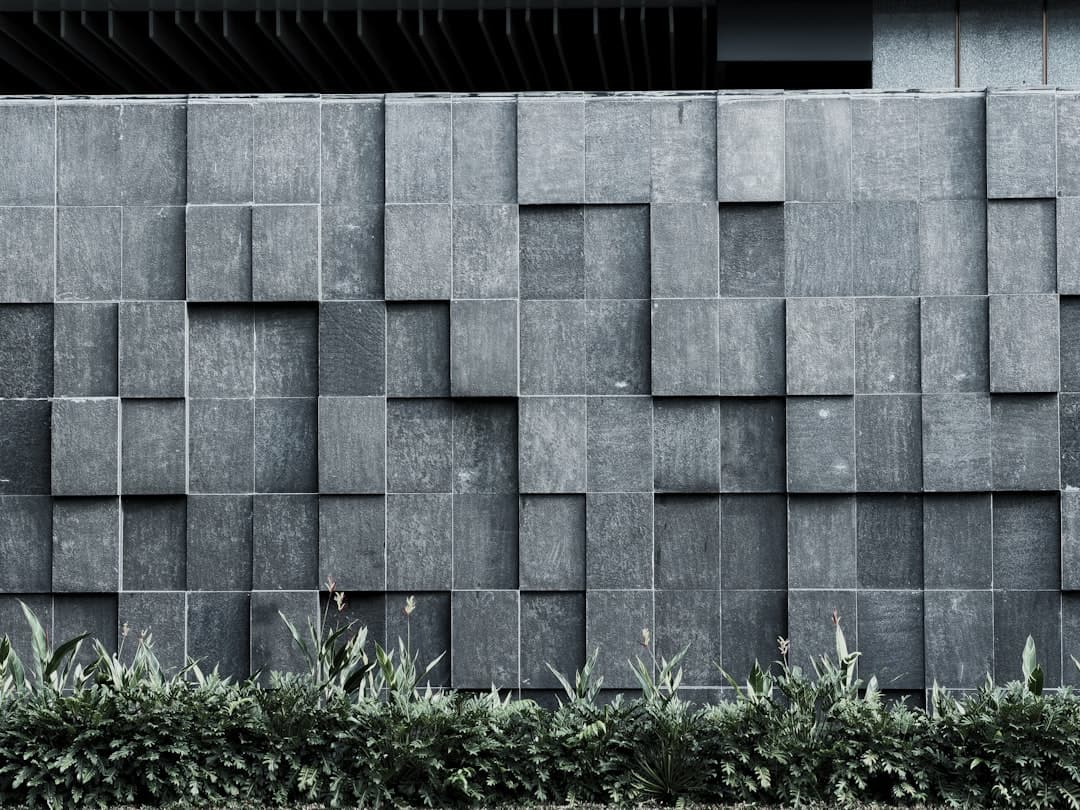
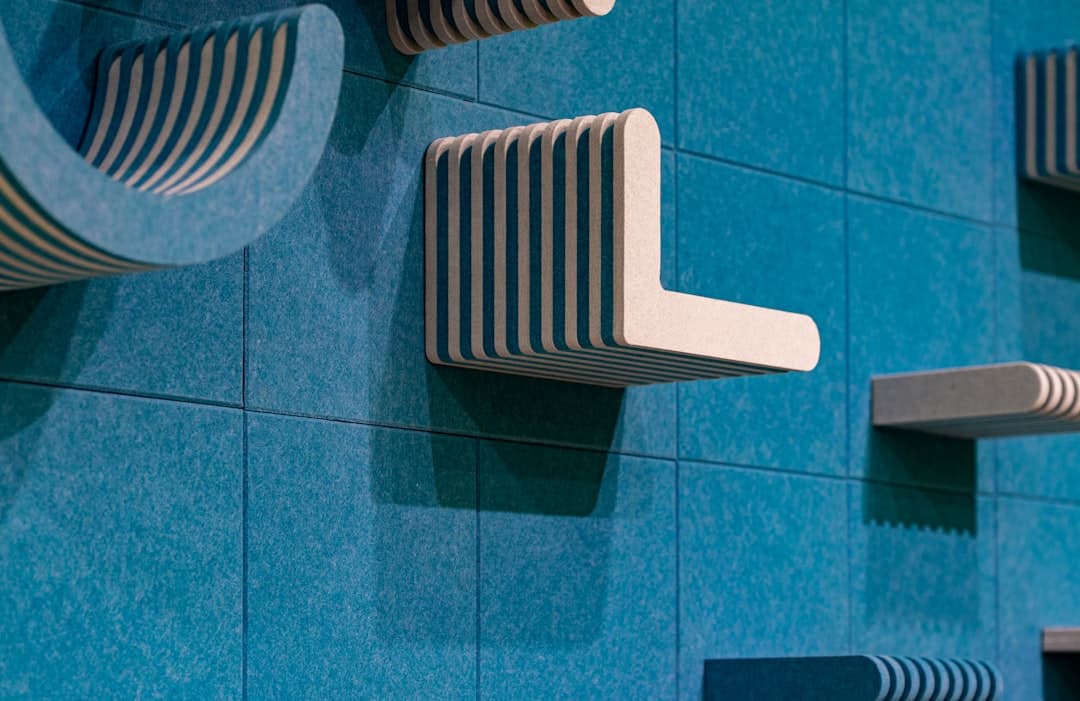
Stepped and faceted profiles that project from the wall plane. Best for: rooms with strong directional lighting where the shadow-play of physical relief can be exploited. These panels require more considered lighting design than groove-only configurations.
How to Decide
Consider three questions: What is the room’s overall design style? What level of visual drama is appropriate? What is the lighting situation? A Japandi bedroom with soft diffuse light calls for fine crossing lines. A contemporary living room with directional downlights could carry 3D relief. A mid-century influenced dining room suits concentric squares. Our geometric panel pattern guide maps patterns to design styles and lighting conditions systematically.
Step 3: Plan the Layout
Full Height vs Partial Height
Full floor-to-ceiling panelling creates maximum impact and reads as fully architectural. Partial panelling — from floor to dado height, or as a framed section within a larger wall — is more restrained and suits rooms where a full-height treatment might feel overwhelming. Both approaches are valid; the choice depends on ceiling height, room volume, and the desired level of drama.
Full Width vs Panel-Width Section
Panelling the full width of the wall creates a cohesive, room-defining treatment. A narrower section of panels — centred on the wall, or positioned behind a specific piece of furniture — creates a more focused statement. In a bedroom, a section of panels matching the width of the bed plus some margin creates a perfect headboard-wall effect without requiring the full wall width.
Pattern Alignment
On geometric panels with repeating patterns — particularly crossing lines and concentric squares — plan how the pattern will align at wall edges and between panels before installation. Decide in advance whether the pattern should be symmetrical (centred on the wall, with matching cut panels on each side) or whether to start from one edge and run to the other. Symmetrical layouts require careful calculation but read as more deliberate and designed.
Step 4: Calculate Quantities
Measure the height and width of the intended panel area. Multiply to get total square footage. Add 10–15% for cuts and waste — more for complex layouts with many obstacles. Use our panel quantity calculator guide to confirm your order before purchasing.
Step 5: Prepare the Wall Surface
The wall behind geometric panels must be flat. Surface irregularities that would be invisible behind paint are amplified under a geometric panel system — an uneven wall causes visible gaps at panel edges and prevents the grid pattern from appearing straight. Fill, sand, and skim as required. Allow all remediation work to dry fully before beginning the panel installation.
Bring panels into the room 24 hours before installation for acclimatisation, particularly in rooms with heating systems that create humidity fluctuations.
Step 6: Install the Panels
For GroovePanel® geometric panels:
- Mark a precise horizontal reference line at your starting height using a spirit level
- Mark a vertical plumb line at your starting side edge — do not rely on the room corner being plumb
- Cut panels to size where needed using a fine-tooth saw (cut on the face side)
- Apply MS polymer adhesive in a serpentine bead pattern to the panel back, keeping 25mm from edges
- Press firmly to the wall, align to reference lines, and secure with finishing nails at panel edges while adhesive cures
- Check alignment every two panels and correct before the adhesive sets
Full detailed instructions are in our step-by-step wood panel installation guide.
Step 7: Light the Feature Wall
The finished installation is only as good as the lighting that illuminates it. Plan at least one directional light source aimed at the panel wall — a recessed downlight 300–400mm from the wall face, a wall-wash fixture at ceiling level, or a floor uplight at the panel base. Without directional lighting, the groove depth and shadow-play that define geometric panels is significantly diminished.
Start Your Geometric Feature Wall
Browse the GroovePanel® geometric collection at The Panel Hub — including the 3D Geometric Pattern Wooden Panel, Crossing Lines, Concentric Squares, and mosaic formats, all in 100% solid wood. Order a sample to see the pattern, grain, and shadow-play in your own room before committing to a full installation.